Warning: This article contains details of eating disorders
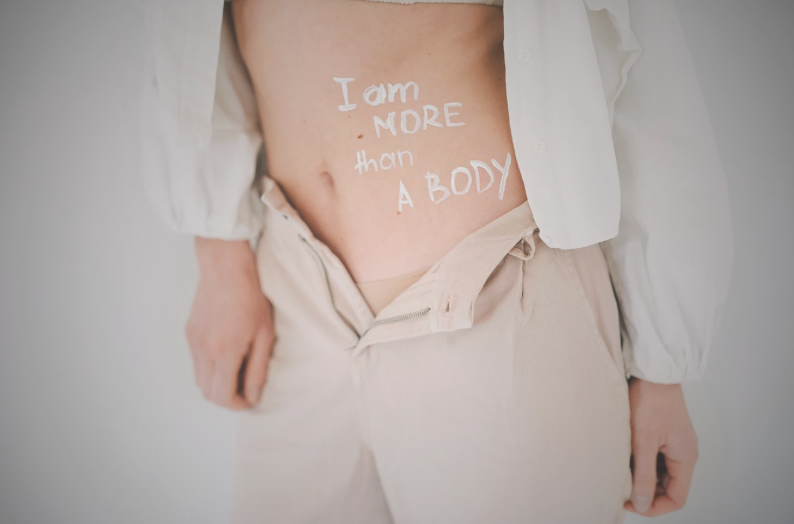
Ask a room of teenagers what they dislike about their bodies, and almost every hand will go up.
It’s a gesture that says more than words ever could, a quiet reflection of a generation at war with its own reflection.
In classrooms and on phone screens, the pressure to look a certain way has become impossible to escape, and this silent battle is affecting nearly every facet of our youths' wellbeing.
And the numbers back it up.
95% of young people are concerned about their body image and more than two-thirds wish they were thinner or leaner, according to the Butterfly Foundation’s annual Body Kind Youth Survey.
Clinical nutritionist Angelica (Gel) Pupillo sadly knows this all too well. Nearly two decades ago, Gel first experienced body image issues. Now recovered, she is rewriting the way young people think, feel and treat their bodies.
“When I was younger, I just started noticing I wasn’t happy with how I looked, and that slowly grew into wanting to control what I ate.” Gel says.
She recalls growing up and hearing people commenting on weight and appearance. This led to a belief that it was normal to speak in a way that was unkind toward your body.
What began quietly, turned into an all consuming eating disorder, where Gel spiralled into years of constant thoughts of food and appearance, affecting her schooling, home life and self esteem.
Eating disorders are serious, multilayered mental health conditions affecting a person's thoughts, feelings and behaviours around food, weight and body image. Their development is often linked to deeper issues such as trauma, control, negative social media use and low self worth.
Body dissatisfaction is the leading risk factor for eating disorders, with an 21% increase in ED’s among Australians since 2012, and the numbers continue to rise.
Gel struggled with disordered eating for much of her early twenties. But slowly, she began to conquer her own inner critic and take steps towards healing her relationship with food and her body. Ultimately, improving her self esteem and quality of life.
Amidst her studies of nutrition at university, Gel combined her lived experience with her academic understanding of body image and its link to our food choices to support others. With encouragement from a teacher, she began developing tools to help young people push back against negative body image, founding This Is Your Body, a school based body image education program.
Her goal is to create nurturing environments built on acceptance and compassion. She delivers interactive sessions in schools, helping students build resilience, understand that self worth is not tied to appearance, and learn the importance of caring for themselves.
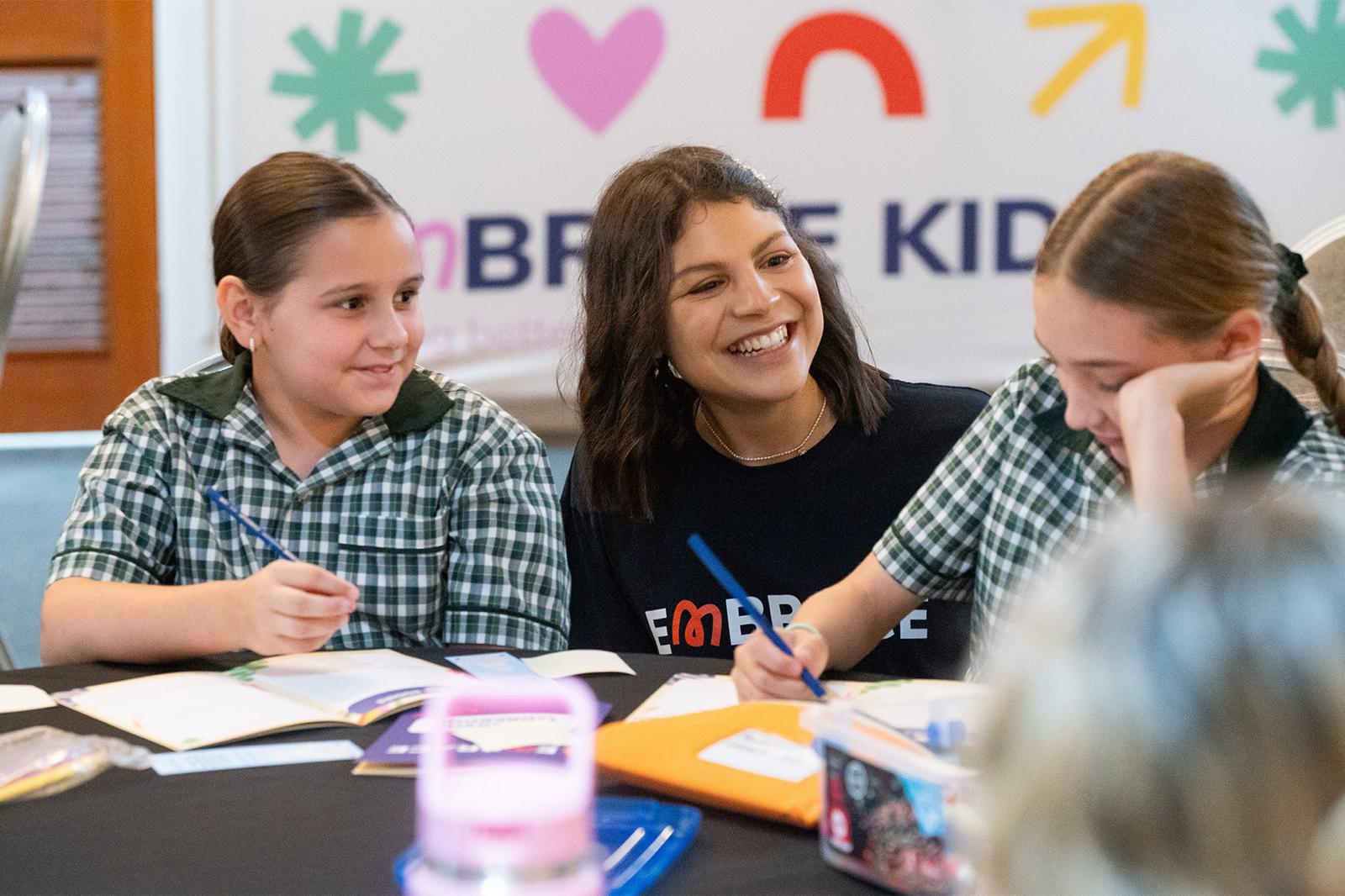
She opens her groups with questions to get them to reflect on how body image may subconsciously relate to them.
“I might ask them, when was the first time you thought about your body? or What do you see online every day? It gets them thinking.” Gel explains.
She aims to help understand why they feel the way they do about their bodies, and how to challenge harmful pressures before they turn into disordered behaviours.
The content is adapted for different audiences: older students get more nuanced discussions around social media, comparison, and control with younger ones focusing more on self-esteem and kindness to their bodies. She also brings parents and teachers into the conversation, addressing how to notice early warning signs and respond without shame or panic.
“Parents often want to help but don’t know how. I help them see that language and attitude matter more than they realise.” Says Gel.
When referencing her own recovery and lived experience, Gel speaks of the importance of providing and offering help for those who may be struggling.
“Once I asked for help, I realised I didn’t have to do it alone anymore. That was huge.”
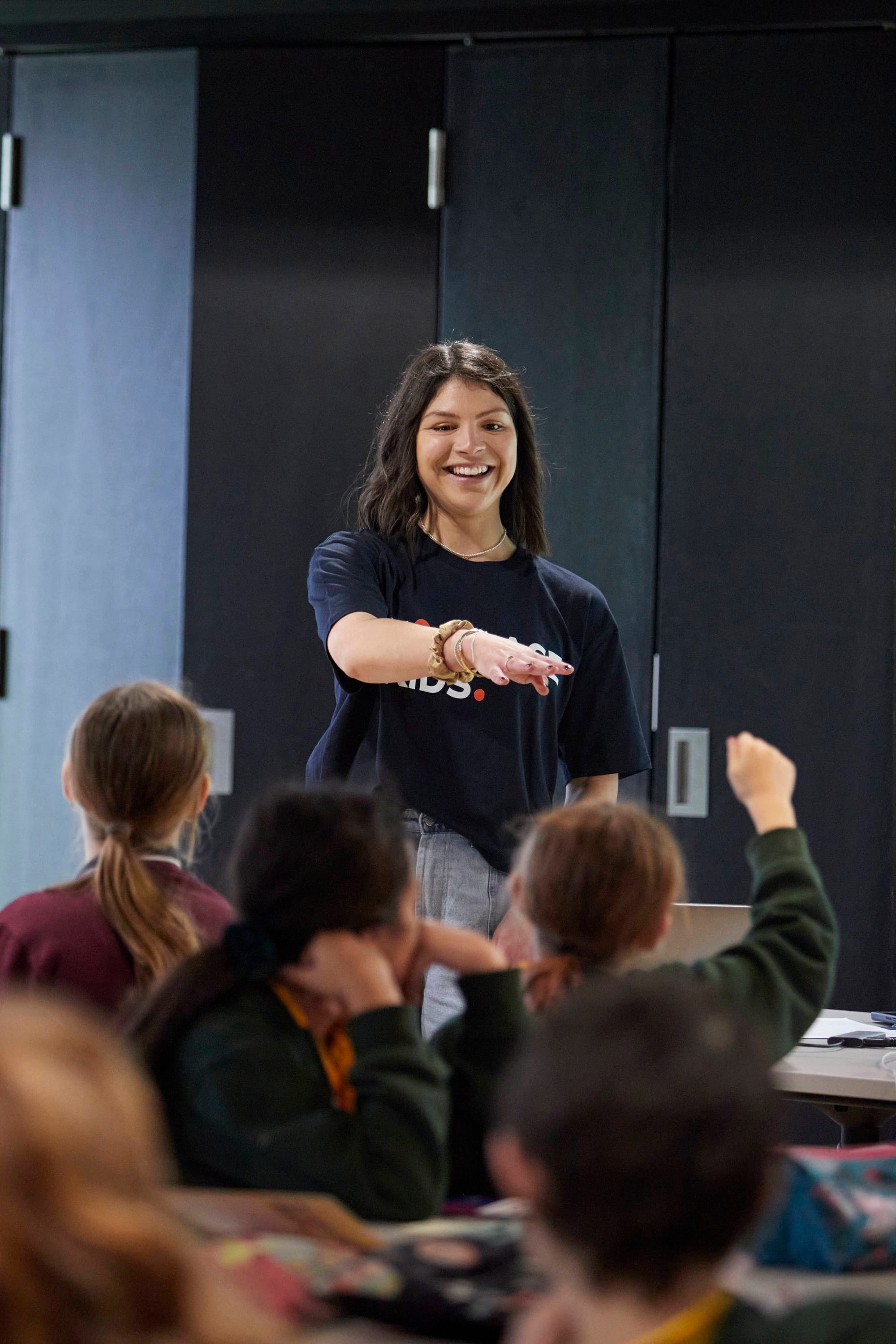
Not everyone with body dissatisfaction develops an eating disorder, but nearly all cases stem from negative body perception. She describes how students often approach her after sessions to share their experiences or tell her that the discussion helped them see things differently.
Prevention and greater awareness of body dissatisfaction and eating disorders can help shift attitudes and build protective factors early.
In Victoria, eating disorders affect thousands of young people every year, with demand for treatment services doubling in the past decade. Psychologists have six month + waiting lists and there are limited beds in specialised inpatient treatments.
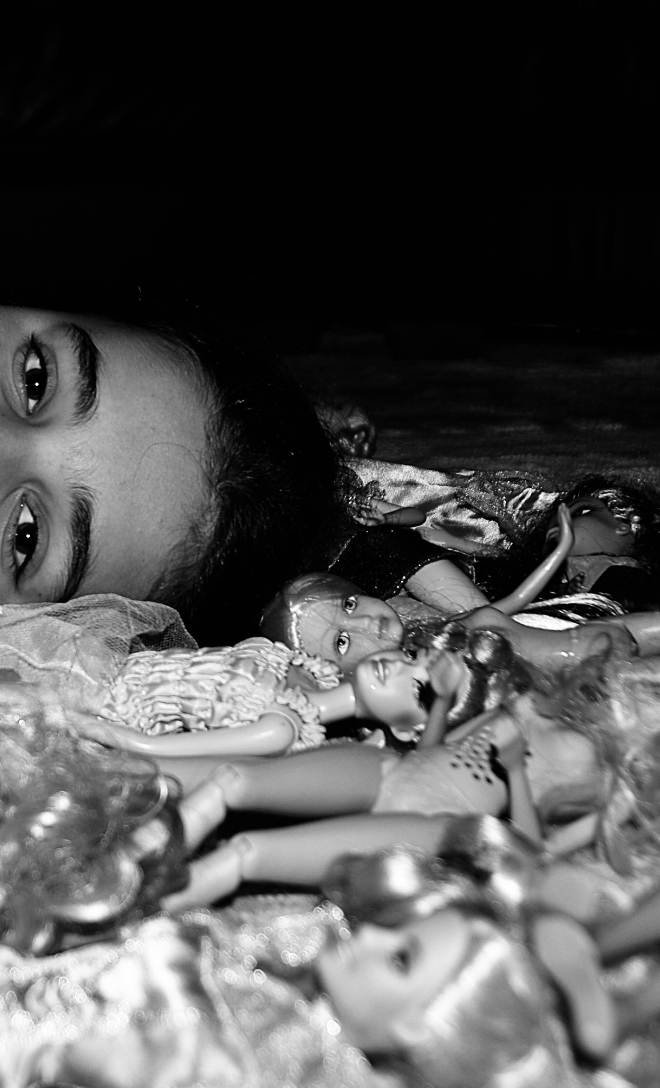
One of those young people is Amy (Fake name for privacy reasons), a 22 year old from Melbourne’s inner northwest, who has lived with anorexia since she was 12. She believes that if programs like Gel’s had existed when she was in school, her years of struggle might have been prevented.
“When I began my struggle with anorexia, it felt as though I was an alien. I wouldn’t dare tell anyone because of how ashamed I was”. Says Amy.
“When I was thirteen, I thought hating my body was just part of being a teenager. If someone had told me it didn’t have to be that way, maybe I wouldn’t have gone down such a dark path.”
And Amy is not alone. The Butterfly Foundation reports that 90% of young people also want better body image support in schools.
Through her education work, Gel aims to break the silence and remove stigma through honest conversations about body image and mental health with students, parents, and teachers.
“If we can talk about these things without shame, we can reach people sooner. Silence keeps people sick.” says Gel.
As body image pressures rise and eating disorders become more common, programs like Gel’s offer a lifeline, not only for prevention, but for understanding.
“If we can talk about it early, we can save so much pain,” she says.
One school, one family, one young person at a time, she’s teaching what she once needed to hear, that our bodies are not the problem, silence is.
“We can’t fix this with diet talk or willpower. We need education, compassion, and connection.”
If you or anyone you know needs support, you can contact the Butterfly National Helpline on 1800 33 4673