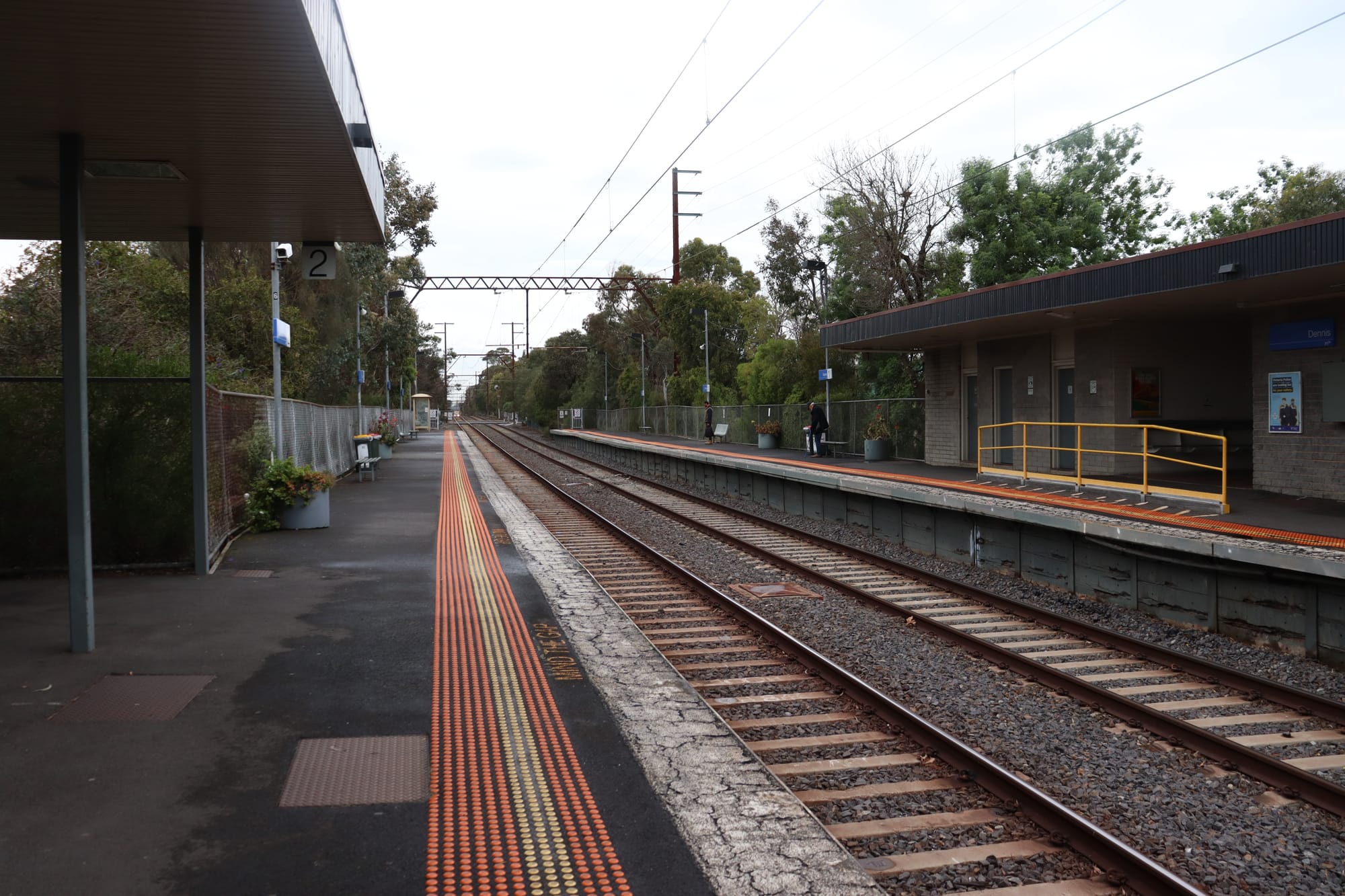
Do you feel safe when travelling alone?
Anthea Kalathas
October 26, 2025
For 19-year-old Victoria Giannopoulos, Melbourne’s public transport is a place she avoids when she can. Whether it is the constant surveillance of potential perpetrators, or actual harassment and torment, she never feels entirely safe or comfortable.
"I could just be walking down a tram aisle on my way to uni and be yelled at unprovoked, harassment like this is normal.”
In Melbourne 2018, 80% of female tertiary students had been sexually harassed on public transport over a 3 year period, according to a 17-city study survey.
Devastating evidence like this is what shapes the dangerous narrative for women taking public transport.
Especially at night.
Julie King is an Associate Professor at the University of Southern Queensland in the area of Psychology, and has been a social work educator for the past 17 years.
Her, alongside other colleagues conducted research into women's safety on Melbourne and Sydney's public transport.
"Safety on public transport definitely does impact women's ability to travel, because of the sort of emotional toll and the burden it puts on women having to take responsibility for their own safety."
Giannopoulos can often feel anxious or nervous when taking public transport alone, often utilising lifts or Uber.
Ubers are becoming a more common alternative instead of taking public transport, making $43.9 Billion in 2024, an increase of 18% since 2023, according to Business of Apps .
However, with an average ride being expensive for young students such as Giannopoulos, options like DiDi come in handy- a ride share app cheaper than Uber.
Despite this, the financial burden is targeting women inadvertently, as they are the vulnerable ones who have limited options to get home while staying safe.
Kirsty Forsdike is a researcher in gender-based violence at Latrobe University, and has collaborated on an academic article about this issue in Victoria.
When men can opt to walk, or take one mode of transport, she explains that women often encounter issues within 'the last mile home' while undertaking 'trip chaining'.
The last mile home, is the last walk from a public transport stop to someone’s house or destination, this is commonly the most dangerous part of a journey.
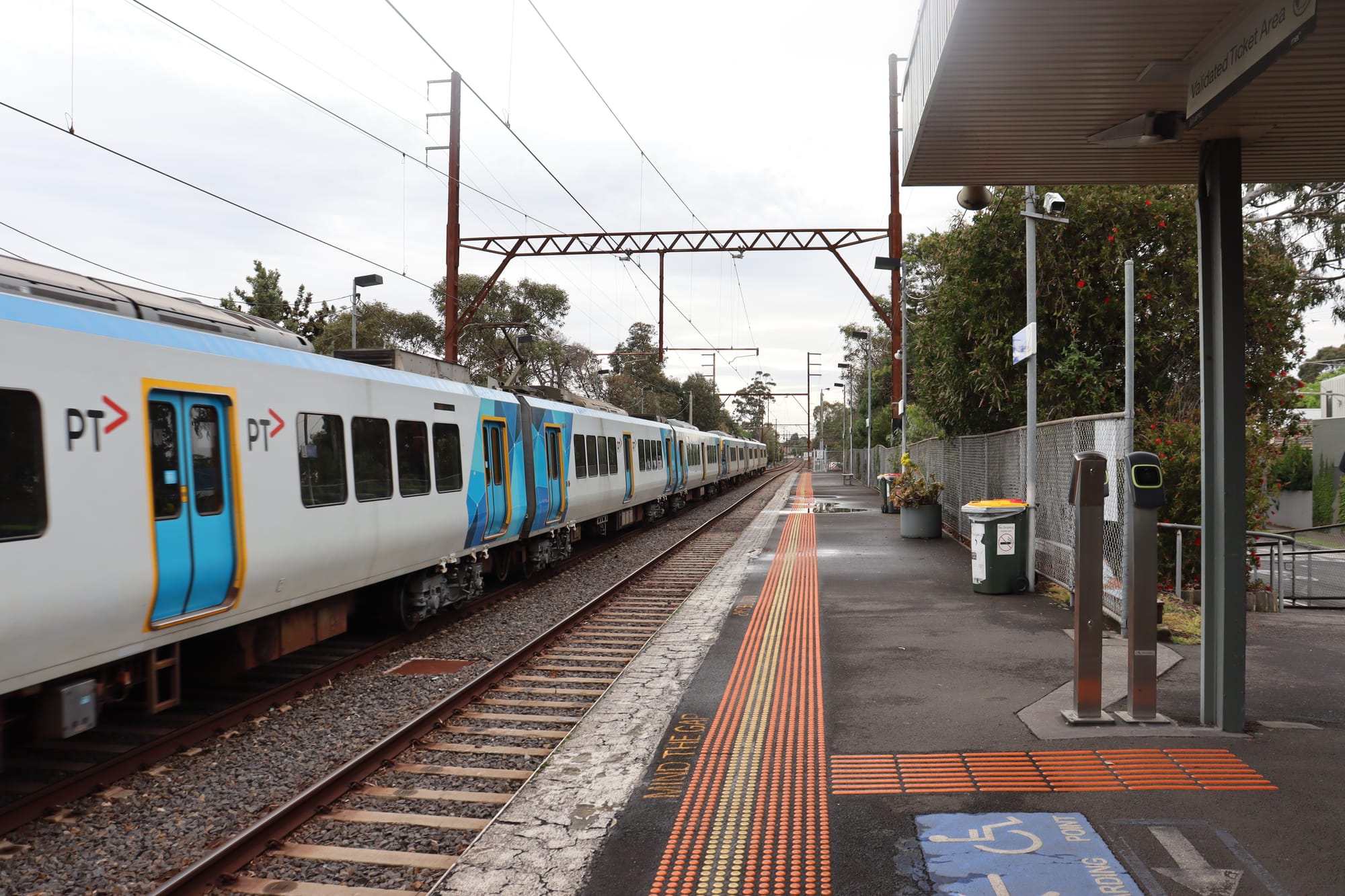
Forsdike said that women use public transport in more complex ways through trip chaining, where they become more dependent than men, by using multiple forms to complete errands, staying on public transport rather than walking alone on the street.
In public spaces, for instance transport, bystanders can become a huge issue. Giannopoulos highlights the effects of bystanders in Melbourne, as people will be hesitant to get involved if there's an incident.
"Everyone is playing their own safety game," she says.
While it can be difficult to count on others, through King's research she revealed that women, employ tactics to stay safe.
These include standing with a family, wearing headphones to avoid attention, and to cover up outfits by putting on a larger coat or jacket.
Giannopoulos utilises many techniques, however most of the time she does this subconsciously, she says.
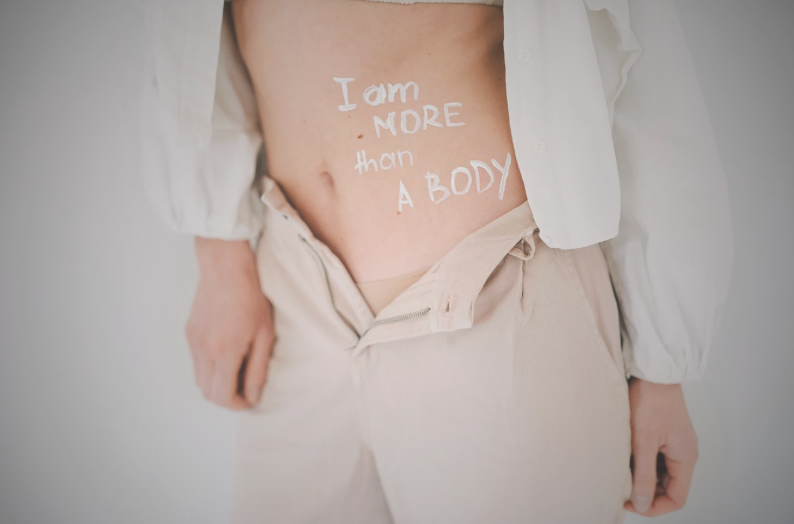
“You don’t even think about it, if I’m wearing a short skirt I will of course cover up when going on public transport, you never know what could happen.”
Victimisations that surround public transport do vary, with some extreme and others mild- often not reported.
A study conducted by The University of Melbourne in 2019 highlights the victimisation that occurs for tertiary students. Although both men and women are victimised when taking public transport, women's victimisation is more frequent.
King explains that girls and boys are brought up in quite different ways, where girls should believe that travelling at night, being out at night, or the clothes they wear can all impact their personal safety, when it should not be a girl's responsibility.
"Women should not be responsible for their safety, because they should be safe, there shouldn't be a question that we have to look after women when they travel, whether it's during the day, whether it's during the night."
Forsdike emphasises that the most important thing is, “primary prevention and response perspective”, she says.
There are multiple actors playing a part here- including those who run Victorian Public Transport and those involved in developing its policy. However with little action or accountability, plausible solutions still seem a while away.
To improve the safety on public transport, the issue is a lot more complicated than it appears with many obstacles in the way, King says.
Measures such as CCTV footage, come at the cost of governments, and besides a lot of the time, women were quite skeptical, she explained.
“There are macroaggressions, ones that are about a woman being physically attacked or sexually attacked. And you can see that. But then there's microaggressions that CCTV cannot pick up. The sexist remarks, leering, standing too close that can make women feel uncomfortable."
For Giannopoulos, she wishes there was more security guards outside public transport, who can be there to help those who’ve been victimised.
From King's research many women agree with this, as security can provide support for women, especially if they are on board with women on trains, trams and buses,
However King explains that despite these efforts, security guards are not police, therefore they cannot take action because they are not allowed to. As for police on board, this would require many facilities that at the moment would be very difficult to execute.
Ultimately, for Forsdike, advocating and supporting gender equality would be at the heart of the issue, while King emphasises the issue is within us in society.
Although measures could help victims, it is a deep-rooted societal issue, and stems from misogyny and violence towards women, King says.
"It's about societal change where women can feel safe because they're not going to be victims of violence."
Travel on 250 bus Rathdowne st. (Credit: Anthea Kalathas)