Victoria's Public Health System and the effects elective surgery wait times have on mental health
A devoted elder sister and university student juggling the demands of life, 20-year-old local footballer Kaitlyn Portelli once spent her free time kicking the footy with her brother and teammates. But everything changed last July when she tore her ACL during a mid-season training session - an injury she initially thought would sideline her for only a few months. Instead, she has spent a year on the sidelines, not from a lack of determination, but from waiting. It took twelve months before she finally secured surgery to repair her knee. In that time, she will be missing two football seasons, countless training sessions, and what should have been the prime years of her sporting development.
Kaitlyn's story is one of thousands across Australia, where elective surgery delays continue to affect the lives of those who are beyond the hospital walls. While government figures show improvements in headline waiting-list numbers, patients like Portelli reveal a more complex truth - one where healthy people lose critical years of mobility, confidence, and opportunity to a system still struggling to catch up.
Her experience is far from rare. Behind the statistics and policy updates, thousands of Victorians are living in physical pain and emotional uncertainty, waiting months - sometimes years - for elective surgery. It is not just the physical injury that hurts, but the mental and emotional strain that grows during the wait.

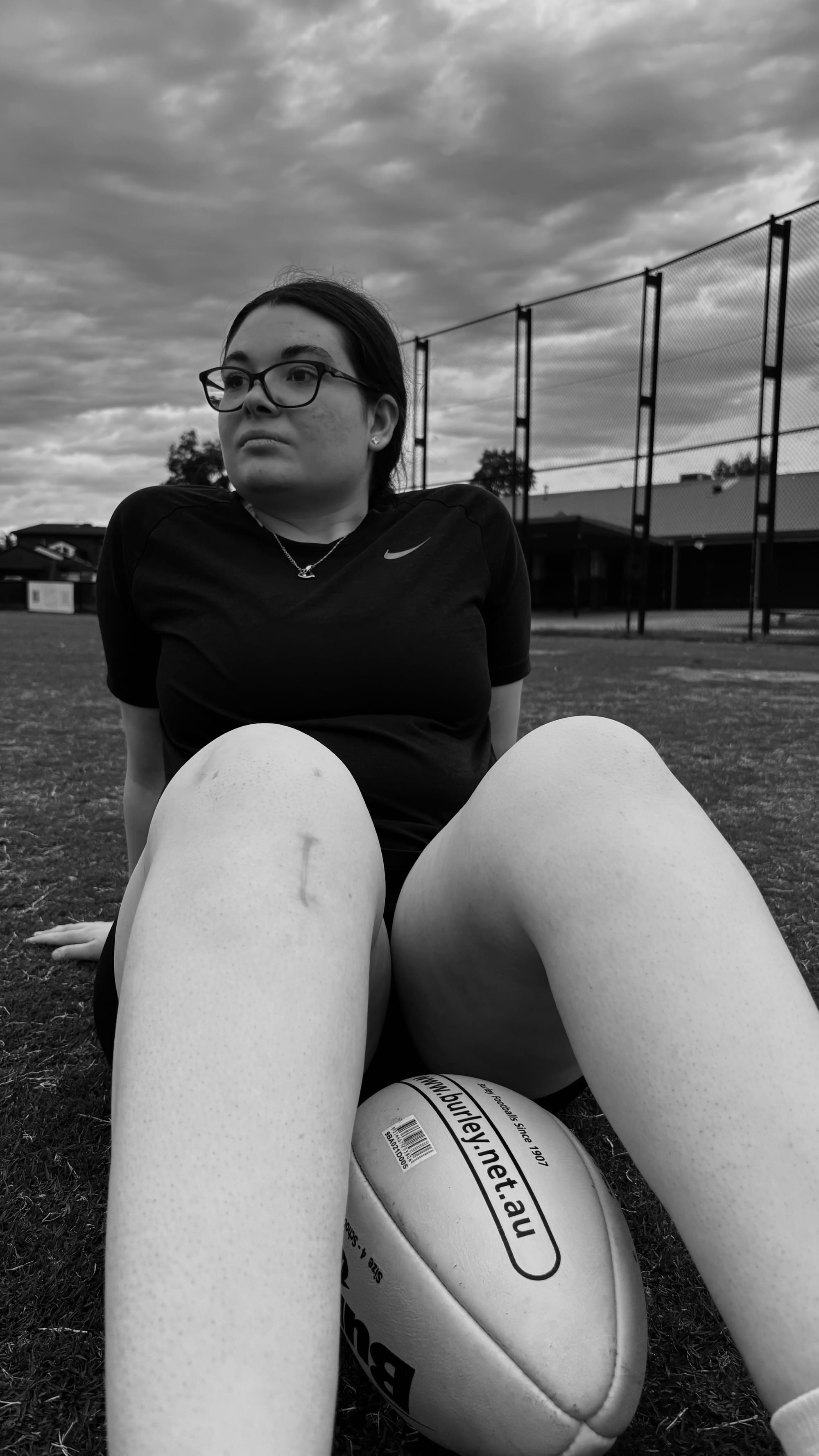
Source: Aisha Ambesi
"It was really hard to go through, I was sore, I was depressed and I was missing out."
It continues to be underlying an issue that has been in repair since the hardships faced by Victoria’s public health system prior to a pre-pandemic period, as well as the strain caused during the COVID-19 pandemic.
Victoria set a public target in 2022 under a planned-surgery recovery program. Their aim was to bring the number of people on public waiting lists down significantly by June 2024. Auditors later recorded a substantial drop in the official list - from around 88,400 at the start of the plan to about 57,476 by June 2024 - a reduction the government flagged as a major achievement.
But national data paints a more complicated picture of how long patients must wait to be admitted. The Australian Institute of Health and Welfare (AIHW) reports that the median wait for elective surgery has hovered around 46 days for half of all patients across the country, though specific specialties are facing growing delays. In Victoria, half of patients waited 33 days for surgery, while 90% waited up to 281 days. The figures suggest that headline-grabbing cuts to waiting lists can hide stubbornly prolonged delays for certain procedures, especially surgeries like Kaitlyn’s ACL reconstruction.
However, there are growing concerns that the publicly reported waiting list does not capture the full extent of patients affected. Recent investigations have pointed to a “hidden” waitlist - people who have been referred for surgery but are yet to be formally added to the official system, this is suggesting that government figures may significantly underestimate the true scale of demand.
In a plethora cases, data show that while the visible list appeared to shrink, the overall number of people waiting for treatment increased, as referrals from outpatient clinics piled up faster than they were processed. Parliamentary inquiries have highlighted that dozens of public health services delivering planned surgeries are not fully represented in Victoria’s Elective Surgery Information System (ESIS), while internal audits by the Victorian Agency for Health Information have previously identified hundreds of patients excluded due to administrative errors.
Media investigations, including a March 2025 ABC report and analyses by the Australian Medical Association, have described the “hidden queue,” noting that pre-admission delays - from GP referral to specialist assessment - can stretch for months or even years.

The state government attributes the drop in official numbers to a concentrated effort to clear backlogs: extra theatre sessions, public-private partnerships, and investment in new surgical hubs. In 2024, Premier Jacinta Allan announced that more than 153,000 planned surgeries had been delivered in 2023-24 - a 10 per cent increase on the previous year - calling it “proof the system is catching up.”
Surgeons and hospital administrators agree these boosts had an influence. Extra theatre lists reduced long-wait cohorts, and hospitals saw shorter delays for Category 1 and 2 cases. But experts caution that the improvements may not be permanent if short-term funding ends or workforce shortages persist.
Furthermore, the standard process of wait times can be gruelling; not only is this due to the physical pain but also the uncertainty that comes with navigating a complex health system. For patients, the experience is compounded by limited medical literacy, making it harder to interpret updates, understand timelines, or know who to contact for support. Those without clinical knowledge often find themselves lost in medical jargon, unsure whether their case is progressing or has fallen through the cracks.

In a conversation with Dr Sinead Barry, a mental health nursing researcher, she explains that these barriers can amplify anxiety and distress during long waits.
Interview with Dr Sinead Barry
According to the Victorian Agency for Health Information (VAHI), more than 67,000 people were on the public waiting list as of mid-2025, a modest improvement from the peak of pandemic backlogs, but still well above pre-COVID levels.
While government investment has reduced the backlog by thousands since 2022, patients are still waiting an average of four to nine months for common procedures such as knee and hip replacements, cataract surgery, and hernia repairs.
For patients, the numbers mean little without lived change. “It’s hard hearing that waitlists are going down when you’ve been waiting over a year,” Kaitlyn says. “You start to think maybe your case doesn’t count.”
In Victoria during the 2023 to 2024 financial year, there were 35,575 new workers' compensation claims, which included 18% for mental health, up from 16% the previous year. The overall claims rate rose to 7.3 claims per million hours worked, an increase from 6.8 in 2022‑2023, and 50 workers tragically lost their lives in work-related incidents. Nationally, Australia recorded 188 worker fatalities from traumatic injury in 2024, and around 140,000 serious workers’ compensation claims, those involving at least one week off work, were lodged across the country. These figures highlight both the prevalence and seriousness of workplace injury and mental health concerns in Victoria and nationwide, reflecting the ongoing challenges faced by workers and the importance of timely support.
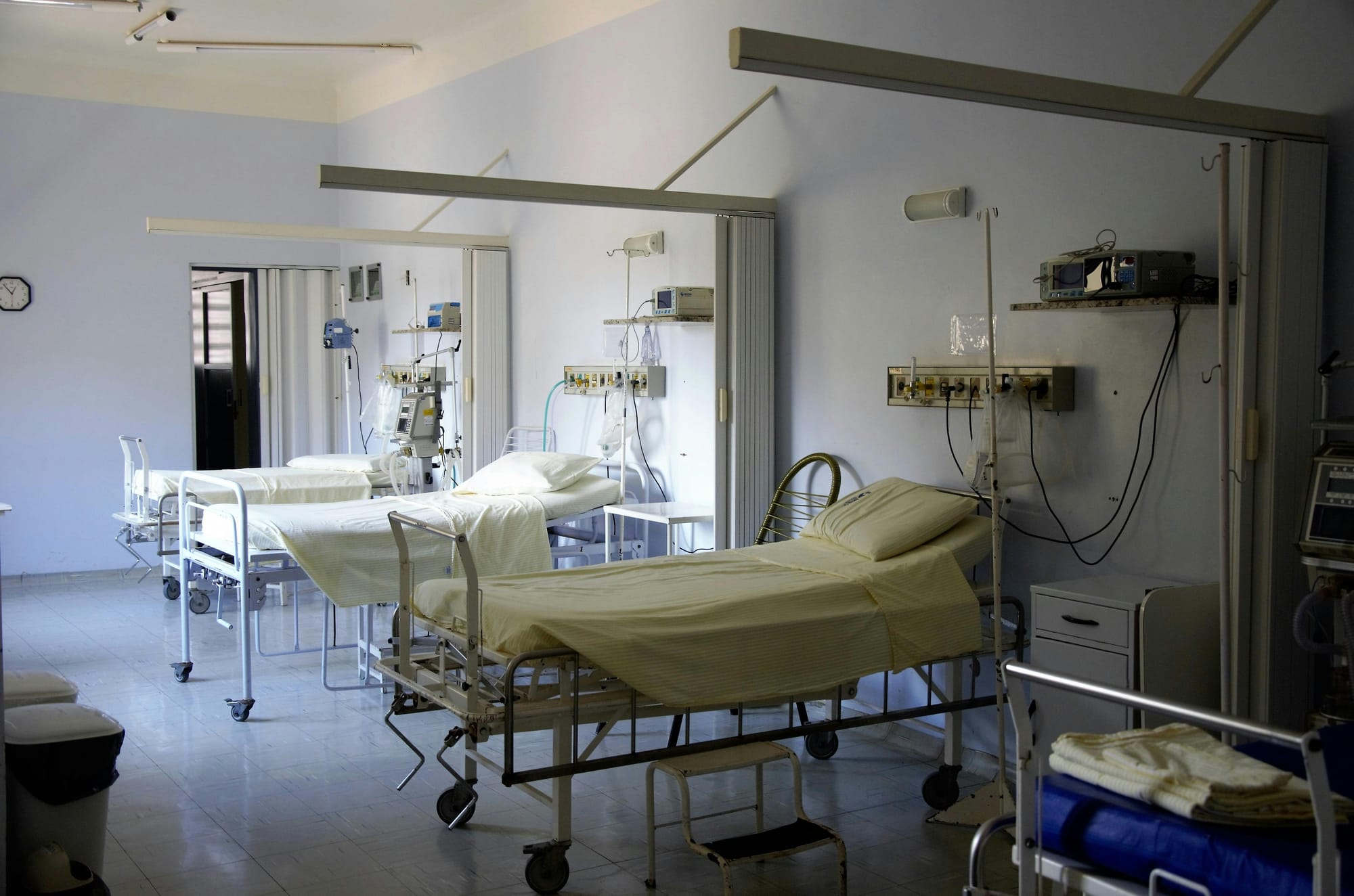
Vanina Ventureira is an organisational psychologist who has spent the past 20 years working with WorkSafe patients; people whose lives have been upended by workplace injuries. Over that time, she’s seen firsthand how physical trauma often leaves deep psychological scars. Her work focuses on helping patients rebuild not just their bodies, but their confidence, identity, and sense of purpose.
Ultimately, cutting surgery wait times in Victoria will demand more than cosmetic fixes. Expanding theatre capacity, easing workforce pressures, and improving data transparency are crucial steps if the system is to keep pace with patient demand. Until then, stories like Kaitlyn’s will continue to expose the gap between the government’s targets and patients’ lived reality, a reminder that behind every statistic is someone still waiting for their turn on the operating table.