Keeping our youth out of trouble means more than keeping them in prisons
The current attitude to youth crime is that it has gotten out of control
That attitude often leads to snap decisions from policymakers to make tough on crime decisions that have limited research to support them but help them win elections.
One of these snap tough on crime decisions was the 2025 bail reform and later ban on machetes in effort to respond to a seemingly concerning trend in youth crime in 2022-2024.
On March of 2025, the Allan Government committed to ‘serious’ amendments to the 1977 Bail Act which saw harsher punishments to those who commit crimes on bail, made it harder to apply for bail and made the process for denying bail more easier for judges.

Later, the Victorian Government put a blanket ban on machetes which criminalized the using, owning and distributing of any kind of machete with some exemptions.

The Allan Government gave those owning a machete currently between the 1st of September till the 30th of November to put them in a Machete Amnesty disposal bin without any penalty.
However, arguably the biggest amendment to the new Victorian Bail Laws saw the removal of remand as a last resort.
The previous bail laws only considered holding youth awaiting their trial in prison in the case that more community centered rehabilitative options were not available, however the new amendments means judges can keep youth offenders in custody while they wait for their verdict.

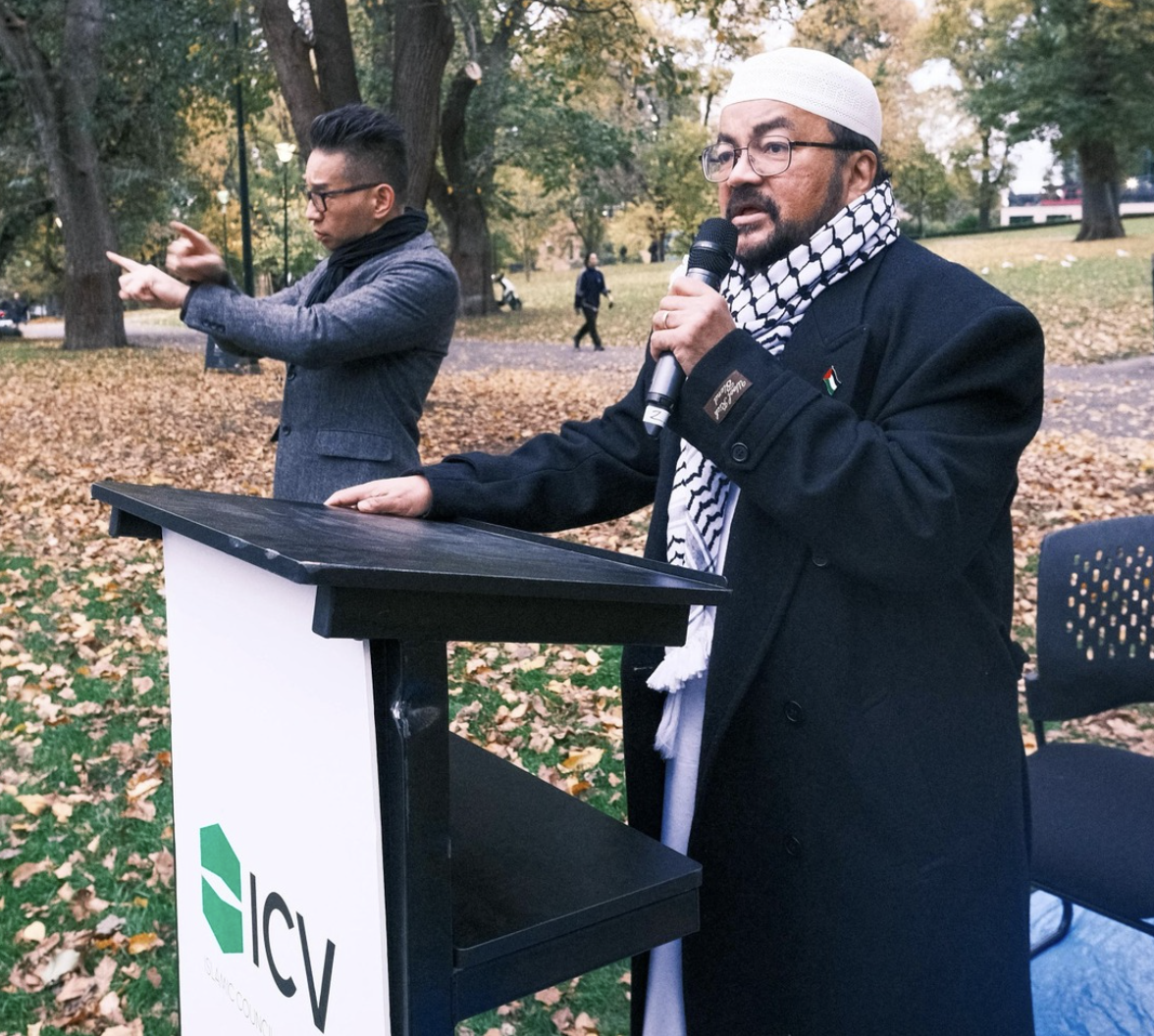
While the Allan Government celebrated the new amendments to the bail laws as a victory for Victoria, the researchers criticized the ‘tough on crime’ as surface level blanket solutions that get in the way of programs designed to work at the root causes.
One of these researchers is Dr Susan Badawi, an associate professor in social work for Monash University.
Colloquial stories of youth gangs out on the streets hurting people researchers say, inflate the acts of the few often hijacking conversation over youth crime from the real research out there.

While only making up for a quarter of the population of arrests made this year, clearly there still is a group of violent youth offenders.
On this point Dr Badawi argues that violent actions most often come from violent backgrounds.
Governments usually avoid talking about the individualized care for youth offenders because, Dr Badawi argues, it doesn’t win elections.
“These policies are not, are not based on any evidence, but maybe could be seen to be popular with certain segments of the population,” she argues.

The bail law amendments is a good example of this with Melbourne often having received backlash for being unsafe from youth gangs, Jacinta Allan has been criticized for only doing the amendments as a bid to win over voters.
Many political analysts have been quick to point out how close the Victorian state election is to the rolling out of the ‘tough on crime’ bail laws, suggesting a quick fix that might get her good graces with a Victorian voter base.
Narratives often outshine research that shows detention and sentencing alone inadvertently promotes reoffending in youth by making them ill-equipped to handle life outside of prison while simultaneously undermining the successes that do happen.
Dr Bawdi used an example of the Queensland government to illustrate this in effect.
Those evidence-based programs include programs like family treatment programs and other multi-systemic therapy programs
Those narratives have often been to the detriment of crime prevention programs that have seen the redistribution of state funding put towards more punitive measures as Dr Bawdi mentioned.

Guardian Australia's Victorian state correspondent Benita Kolovos who along with reporters Adeshola Ore and Nino Bucci wrote in their Guardian report how The Youth Junction (TYJ), a West Melbourne based rehabilitation program is currently running on their own reserves due to a lack of State funding.
Bentia Kolovos later explained how the TYJ still hasn’t received funding for the Youth Behavioural Change Program and NorthWest Safe.
“They are now being run from the charity’s own cash reserves,” she mentioned.
According to Dr Badawi, this lack of funding towards crime prevention programs result from low priority budgeting when considering crime prevention options.
The diverted funding from these youth crime prevention programs have many researchers correlating lack of root cause solutions to youth crime to the ‘Covid 19 rebound effect’.
To see how this transition from punitive and punishment centered solutions into rehabilitation and early intervention programs is the future of youth crime prevention we can look to the Parkville Youth Justice Precinct over the course of seven years and what changed around it.
In 2018 the Victorian Auditor‑General’s Office (VAGO) had done an audit on youth detention centers and found that “young people had not been receiving the rehabilitation services they are entitled to and that are necessary to meet their needs.”
Parkville had significant damage to its infrastructure, a high absence rate, women at the facility had less access to facilities, workers did not have a case file when ready and the facility was overcrowded.
In 2021, the ABC reported that Parkville had become a violent and unsafe place, where security felt unsafe, multiple breakouts were attempted, staff were attacked as well as an incidents where something described as a riot happened on the basketball courts

However, Parkville reached a turning point when Cherry Creek Youth Justice Centre opened up reducing the capacity of detainees
Surrounding programs like the YMCA bridge program in 2022, expanded into corrections facilities like the Ravenhall Corrections Centre with the idea of rehabilitating youth by giving them a second chance instead of just incarcerating them.
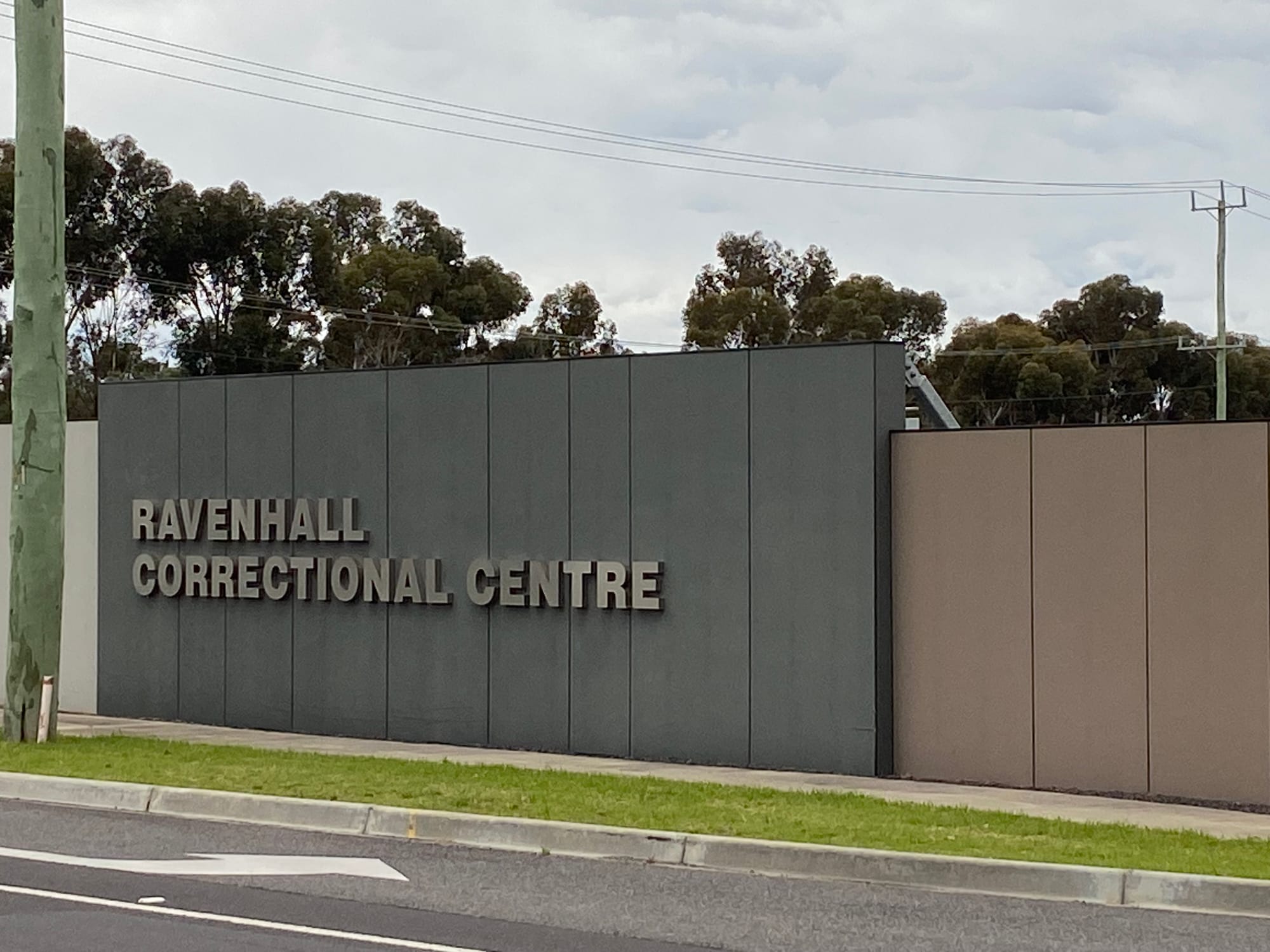
Parkville today is used mostly for remand and short-term detainees and still has a long way to go before it commits itself fully to the rehabilitation effort of the youth.
To Dr Badawi, reducing youth crime and keeping the community safe is about fixing the problem at its roots.
You can find the storymaps version of this article right here
Contact me: teumabill@gmail.com
Data from Crime Statistics Agency Victoria (2025)
Dr Susan Baidawi: susan.baidawi@monash.edu
Benita Kolovos: benita.kolovos@theguardian.com