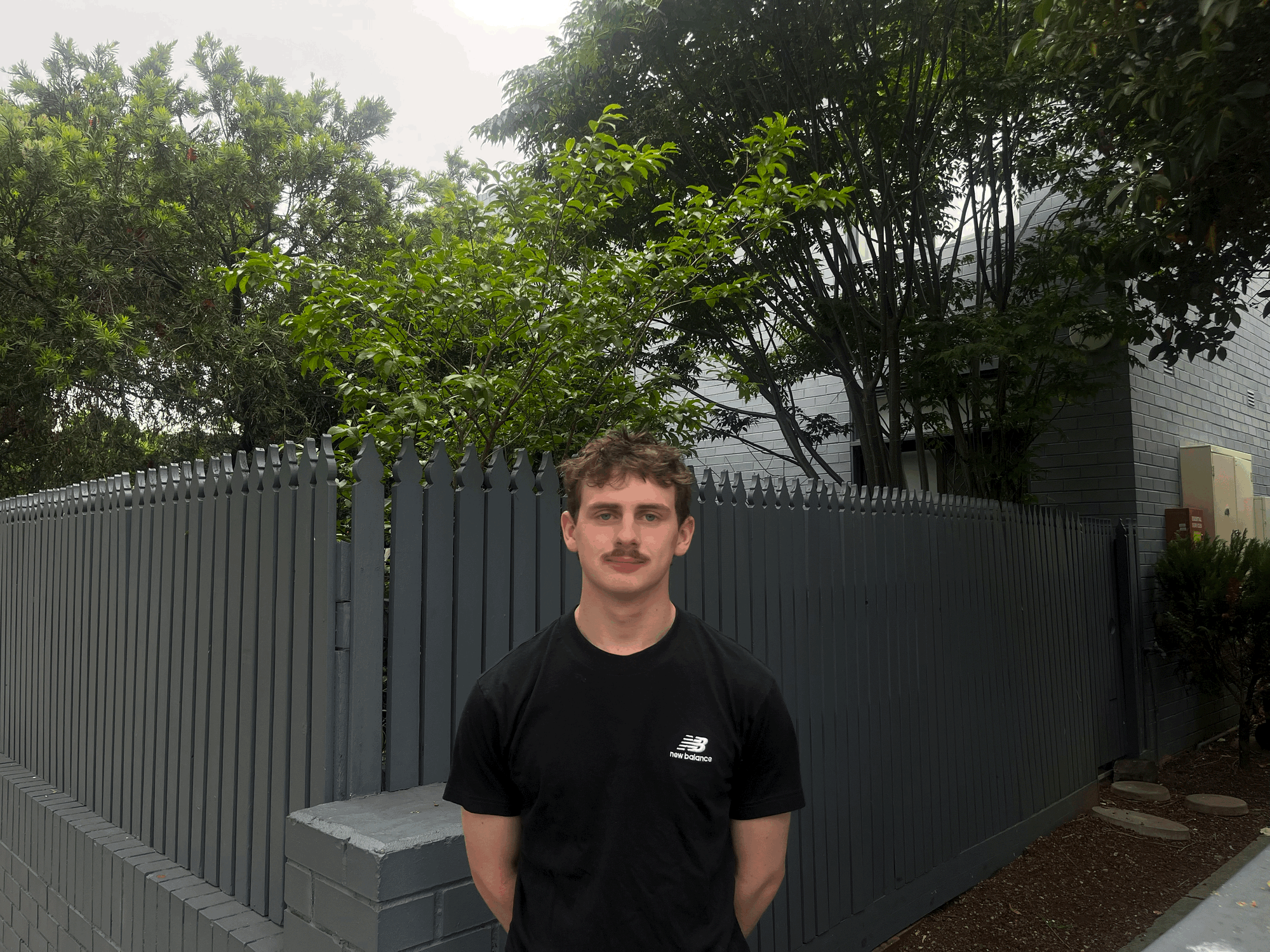
19-year-old renter, Noah Duniam, thinks that the housing market in Melbourne at the moment is “unaffordable’ and “not many people can buy a house” even with the new 5% deposit grant set by the government.
Duniam says that to be a homeowner in Melbourne at a respectable age, he would have to sacrifice “a lot of social interactions, and I would have to spend a lot less money on outings. I also wouldn’t be able to go on holidays and wouldn't be able to do things that I would have preferred to do in my younger years.”.
“There are definitely some people in the older generation who still think it’s as easy as when they were buying a house,” Duniam explains that when it comes to older generations, some people can see the struggle, and some people can't.
Duniam says that even if renting in Melbourne was safer, more trustworthy, and more affordable, he would still want to be able to buy a house at some point, with his ideal age being between 27 and 30 years old.
Part of Australian culture includes moving out of your family home as soon as you’re an adult and purchasing your first home as soon as you can to have a sense of fulfilment and stability. Financial Mindfulness says that “In Australian society, home ownership is often seen as a rite of passage and a symbol of adulthood and success”, and it is usually associated with a sense of pride and identity.
According to a report from The Australian Population Research Institute, most people purchase or rent apartments or units until they want to start a family. Once they want to start a family, usually in their late twenties and early thirties, they purchase a detached dwelling for the extra indoor space for kids and the luxury of having a backyard and front yard. This has become the ‘norm’ for most people in Melbourne, but the CEO of Master Builders Australia confirms that detached dwellings are taking longer to build to accommodate the housing crisis.
According to an article from QUARTZ, in other countries like Germany, it is the ‘norm’ to live with your family for a lot longer and also to rent without the worry of purchasing a house. Most people rent for their entire lives and still have everything they need. Most people don’t bother buying a home because the rental market is quite well-regulated and the government regulations are more favourable to renters.
While this isn’t ideal for most people in Melbourne, they should still have the ability to rent without living in fear of being unable to buy a home or being under a strict landlord’s control who can raise rents or evict them. While fixing the housing crisis is the focal point for most people, improving the rental market, as it is in other countries, could be an important factor. Should renting in Melbourne be a safer and more trustworthy option for people to live in? And for people to be able to rent long-term if they don't want to buy?
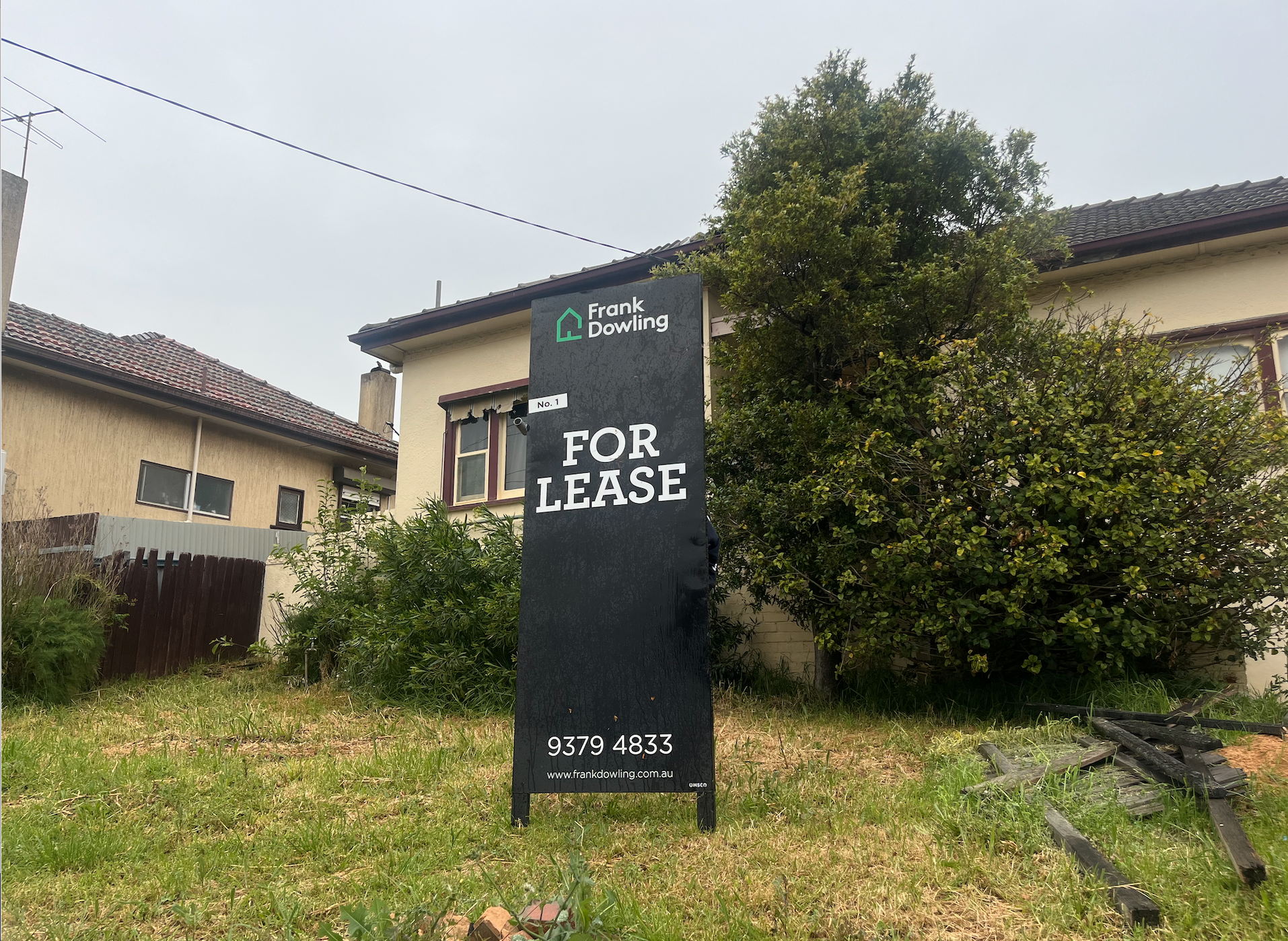
Another 19-year-old renter from Melbourne, Sophie O’Hehir, agrees that the housing market is tough, “as rental and home ownership prices rise with limited vacancies.”
At the moment, O’Hehir thinks that she would have to make sacrifices to become a homeowner in Melbourne, such as lowering her daily expenses and potentially giving up her desired living location.
“I think there needs to be more accessibility to affordable home and rental options, especially for young adults and students. For example, lowered or subsidised student housing from the government. And for home ownership, reduced stamp duty and other upfront costs,” says O’Hehir.
Comparing this generation to older generations, O’Hehir doesn’t completely agree that they have it harder than previous generations. However, “this generation has definitely been hit hard with the cost of living, especially with home ownership and saving for a deposit”, but agrees that older generations experienced difficulty with lower wages and different living and economic circumstances.
When considering the options for improving the renting crisis first and the possibility of being able to rent without worrying about purchasing a home, O’Hehir thinks that it would be a ‘sustainable option’; however, she believes homeownership is still more important as it ensures ‘security and stability’ and hopes to be a homeowner by the age of 30.
Becoming a homeowner in Melbourne is a financial milestone that the youth of today have most likely seen their parents and other generations before them be able to reach. According to an article from The Conversation, the pressure from this can be damaging to young people, as it can affect their mental health and aspirations for the future.
According to a survey from Everybody’s Home, 82% of Australian respondents who were renting and in shared housing experienced housing stress; these people were also spending more than 30% of their income on housing. When asked to share their reasoning for housing stress 81% answered that the stress came from uncertainty about the future.
A publication from a Melbourne researcher shares that although younger people may feel more stressed because of the housing market challenges they face today, the fact that so many of them face unaffordable housing might actually protect them from worse health effects. Since the problem is so common, there will be a time when not becoming a homeowner, or struggling to, will not be seen as a personal failure.
Having a place to call your own and developing a stable presence in a community are still high up in young people’s goals, and they don’t seem to be giving up on that dream any time soon.