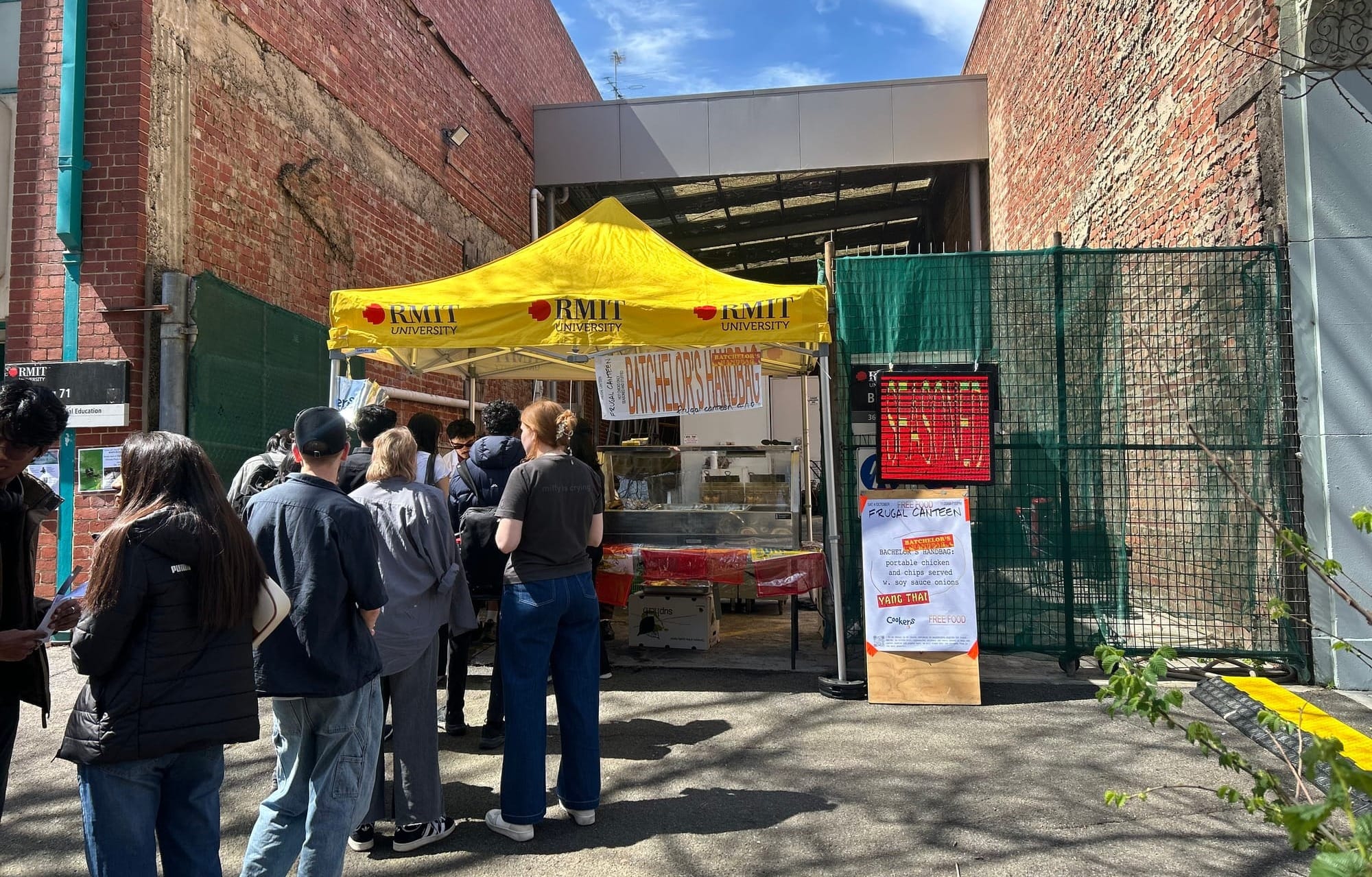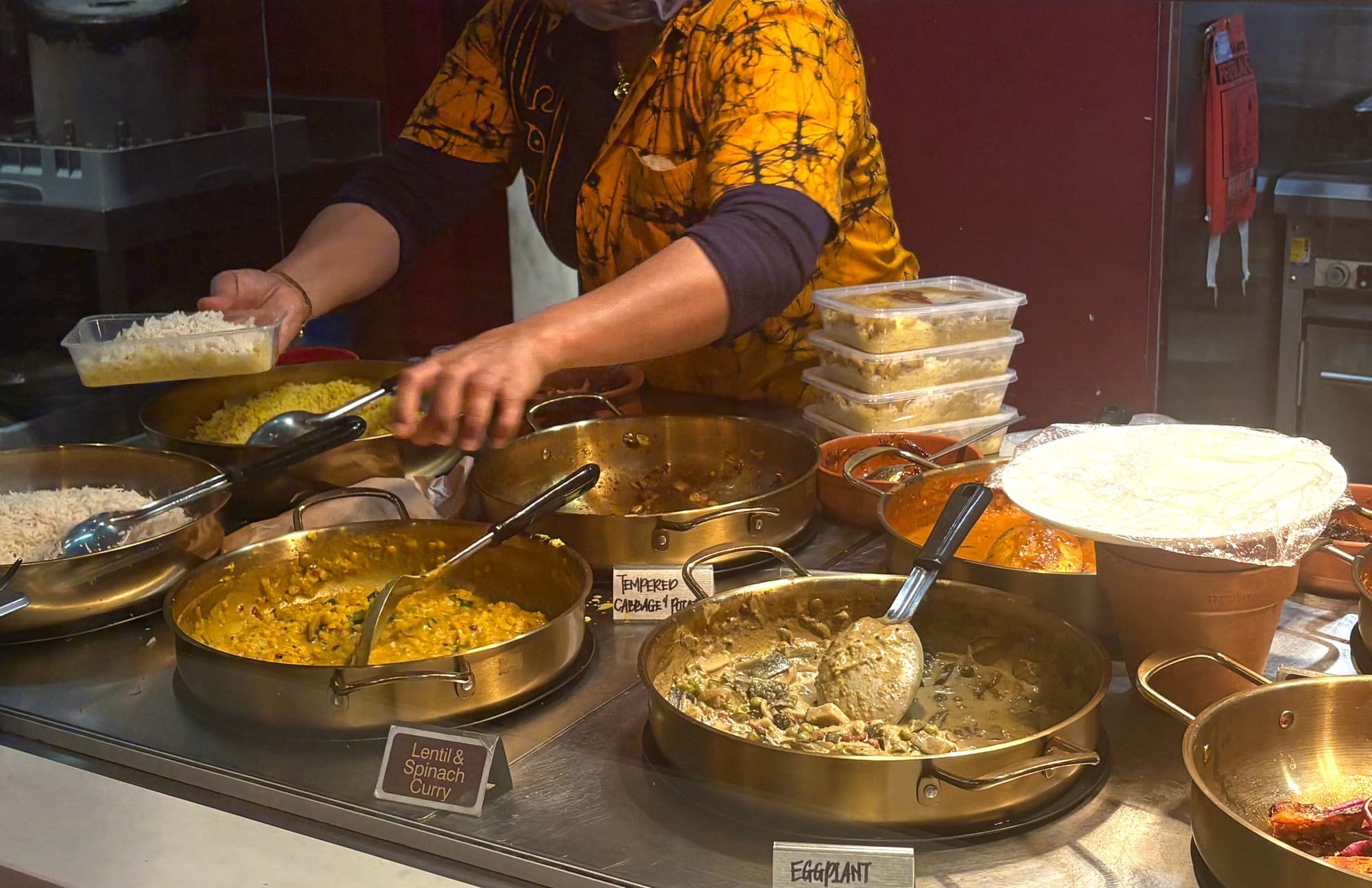
Businesses and communities are coming together to give Melbourne’s surplus food a second life.
By Amelie Whitfield
INTRO
In Melbourne, a city that stakes its global identity on a vibrant and abundant food and drinks culture, a quiet crisis is unfolding.
Hidden behind their bustling and thriving facades, cafes, restaurants and bakeries are hiding a secret - substantial amounts of food are not making it onto the plate.
To put that staggering volume into perspective, consider this opening image. Each Victorian hospitality business wastes around 5.6 tonnes of food on average annually, and there are over 30,000 hospitality venues in the state.
With an average twenty-five metre tall house weighing around 70 tonnes, this means you’d need roughly 2,570 houses filled to the brim with food to match what Victoria’s hospitality industry sends to landfill each year.
That’s an astounding 180,000 tonnes of produce, meals and ingredients. It’s an almost unimaginable quantity per year.
What’s even more confronting is that around 70% of this wasted food is still perfectly edible. This surplus is due to overproduction, spoilage and plate waste, and this failure of logistics and planning has a profound environmental, economic and social impact.
Edward Brinley, UK-born chef who has been working in Melbourne’s hospitality scene for nearly two years, sees this daily.
“We see a huge amount of food waste at our restaurant,” he says. “It’s so hard to manage the production of food as the amount of customers in a day can be so unpredictable. You never know what the turnout will be like considering factors like weather, walk-ins, just what people are up to,” says Brinley.
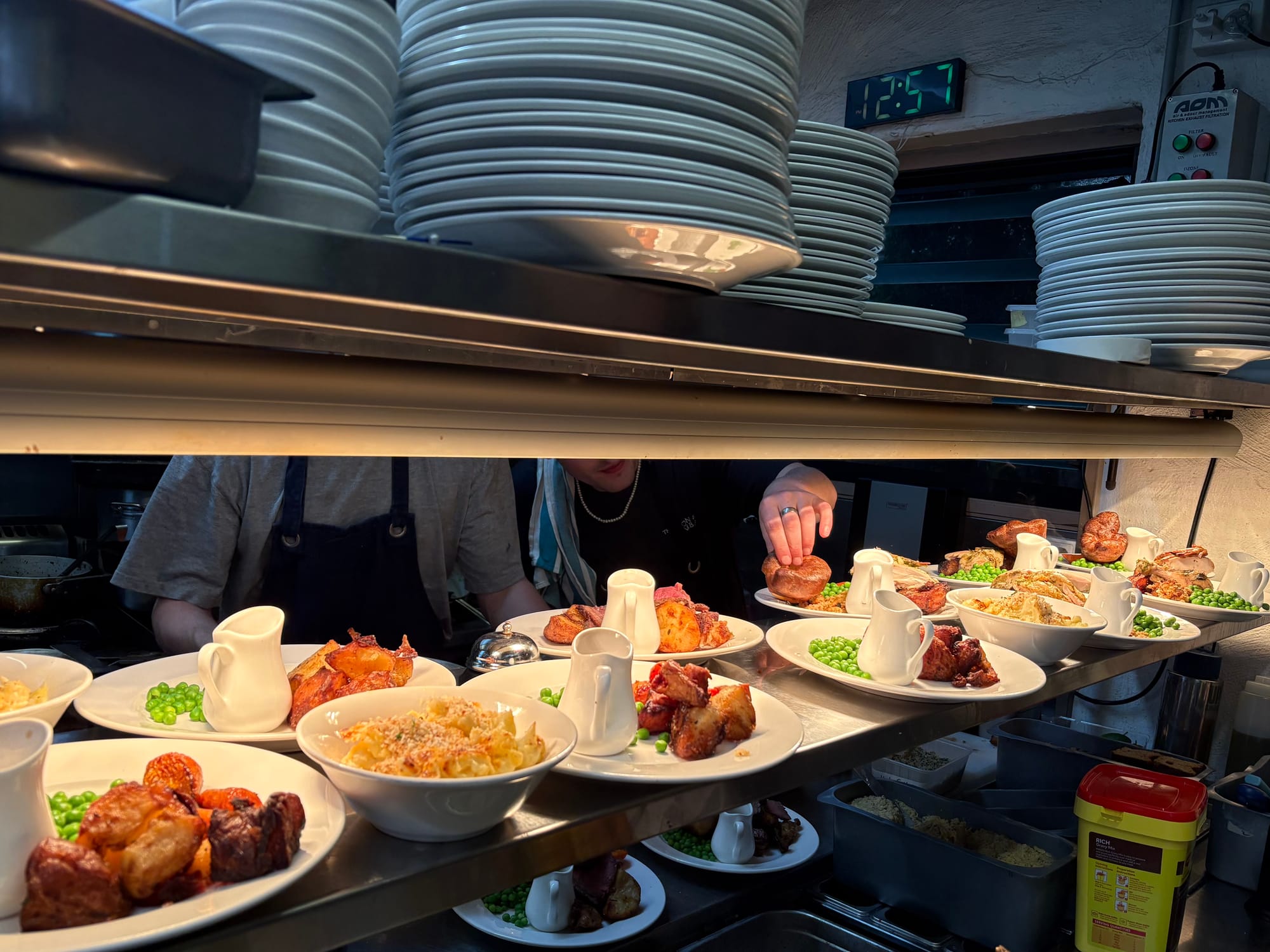
“Honestly, our management of portion sizes and rotating our stock so everything is fresh isn’t a problem. We all focus on that and storage of food more than anything,” he says. “I think another part of it is that we’re shut Mondays and Tuesdays, like many venues. So we’re busy prepping food for weekends but also trying to avoid a huge surplus.”
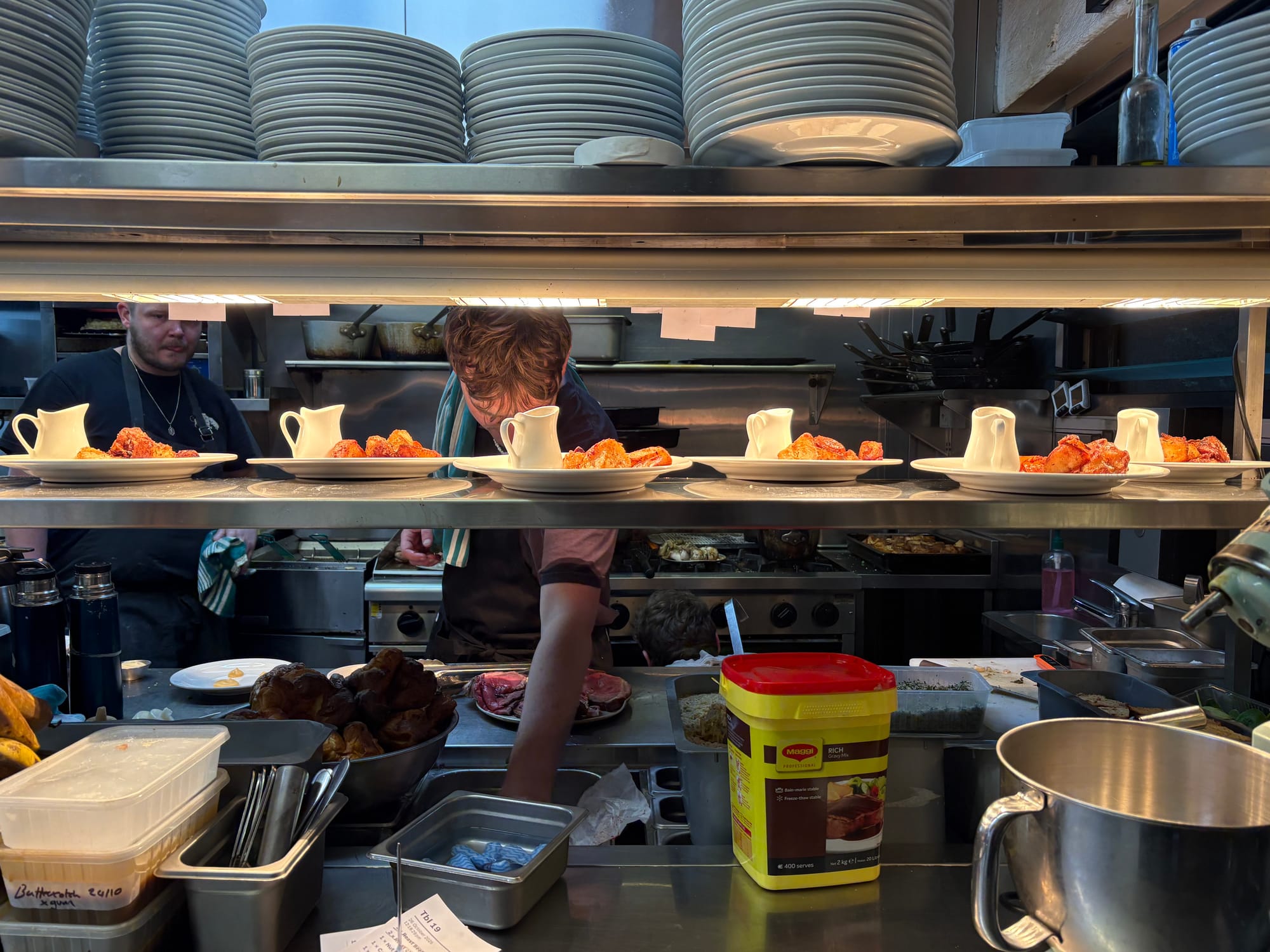
Restaurants like Brinley’s often pride themselves on tight inventory management and portion control. But even the most efficient kitchens are forced to throw out perfectly good food at the end of the day. Customers are unpredictable, and business models are built around abundance.
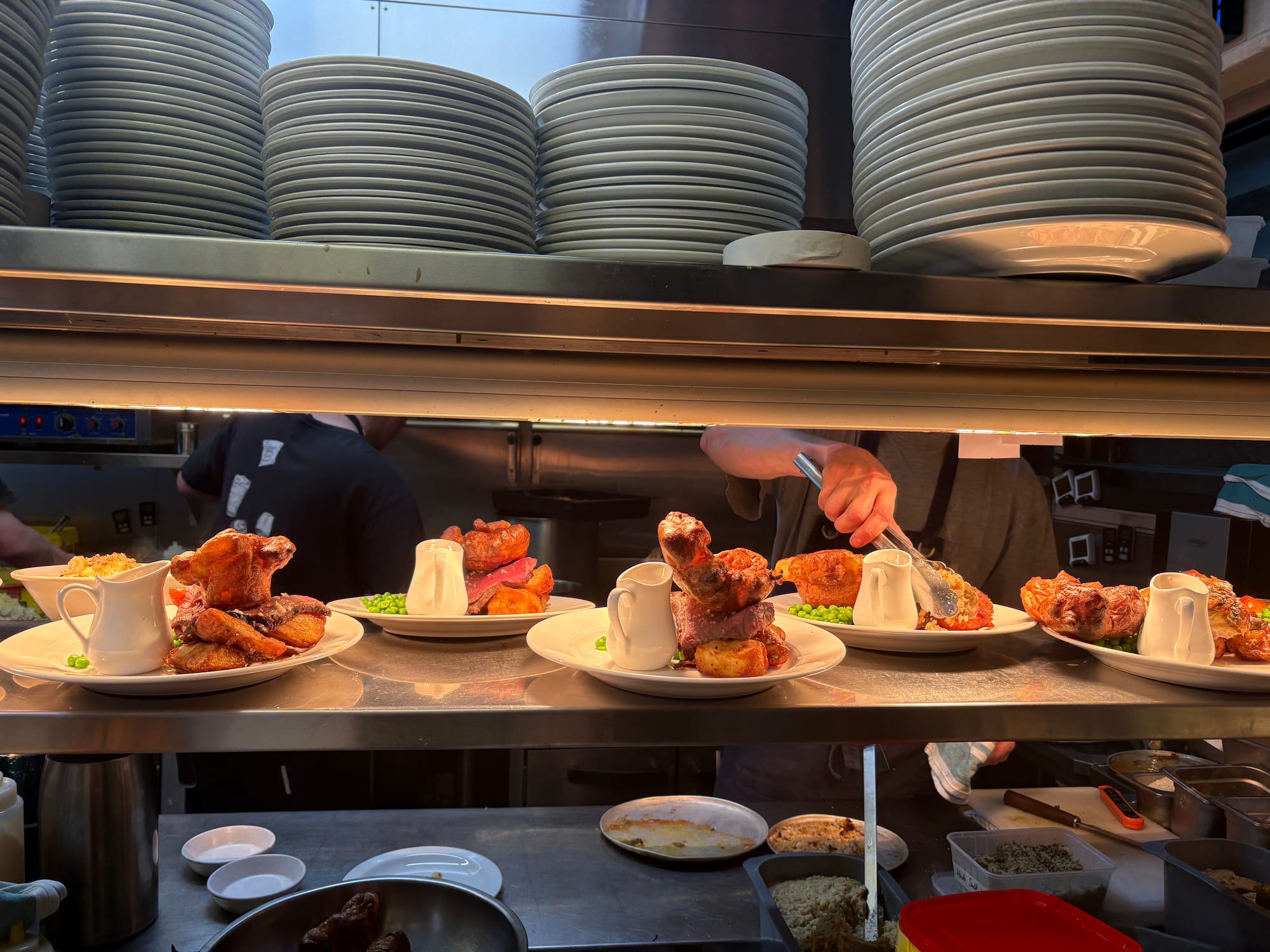
“Most Sunday nights, we’re throwing out around 30 kilos of potatoes and carrots. We’re told as chefs to overprepare food quantities to avoid disappointing customers by running out of things, but more often than not, there’s always a gap between what’s produced and what’s consumed,” Brinley says.
THE GLOBAL AND SOCIAL ISSUES
The food waste we currently see in landfills is a major contributor to global warming. According to Sustainability Victoria, 3 million tonnes of carbon dioxide emissions are created in the state each year.
While financial loss from waste is a problem for businesses in hospitality, this environmental impact is just one facet of the crisis.
More critically, this issue actively harms social equity. This exacerbates food insecurity in vulnerable communities, therefore creating a disparity where edible food is discarded while people go hungry, as reported by the Sustainability Directory.
To put Victoria’s food waste situation into perspective, the state aims to halve food and organic waste going to landfill by 2030 under the Recycling Victoria Policy. This goal focuses on the repurposing and redistribution of food to create a circular economy in a way that continues production in a sustainable and environmentally friendly way, and allows that leftover food to make it to people rather than to landfill.
TOO GOOD TO GO
In this context, Melbourne has become a proving ground for Too Good To Go, a Danish‑founded app that matches businesses with surplus food that would otherwise be thrown out to consumers. The idea is simple: rather than throw usable food away, goods at the end of the day are packaged into ‘surprise bags’ and offered at a significantly discounted price to users.
The app was founded in Copenhagen in 2015, and has recently been introduced to the Australian hospitality and customer service scene. Too Good To Go aims to connect food businesses to people who are seeking to help solve the climate crisis, save money, and, most importantly, get access to good and nutritious food.
When they launched in 2024, they partnered with over 80 local businesses, with Wabi Sushi and St. Ali Coffee among some of the first. They’ve since grown to over 120 businesses, and now collaborate with big chains such as Bakers Delight and Muffin Break.
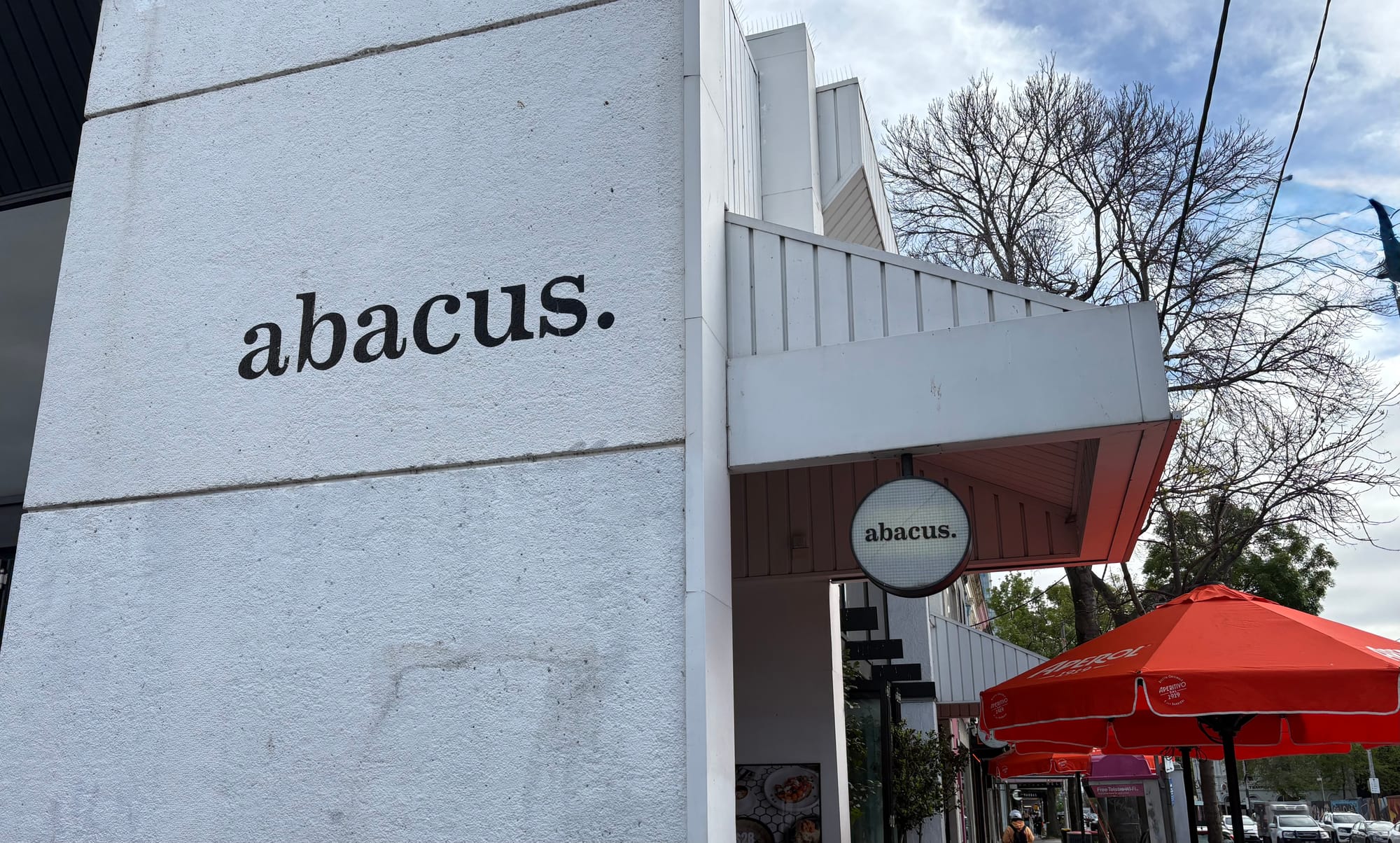
Dylan Whitmore, owner of Abacus Bar and Kitchen, was also among the first businesses the app reached out to prior to their launch. Abacus is made up of their main venue in South Yarra, and a series of espresso bars scattered throughout the city.
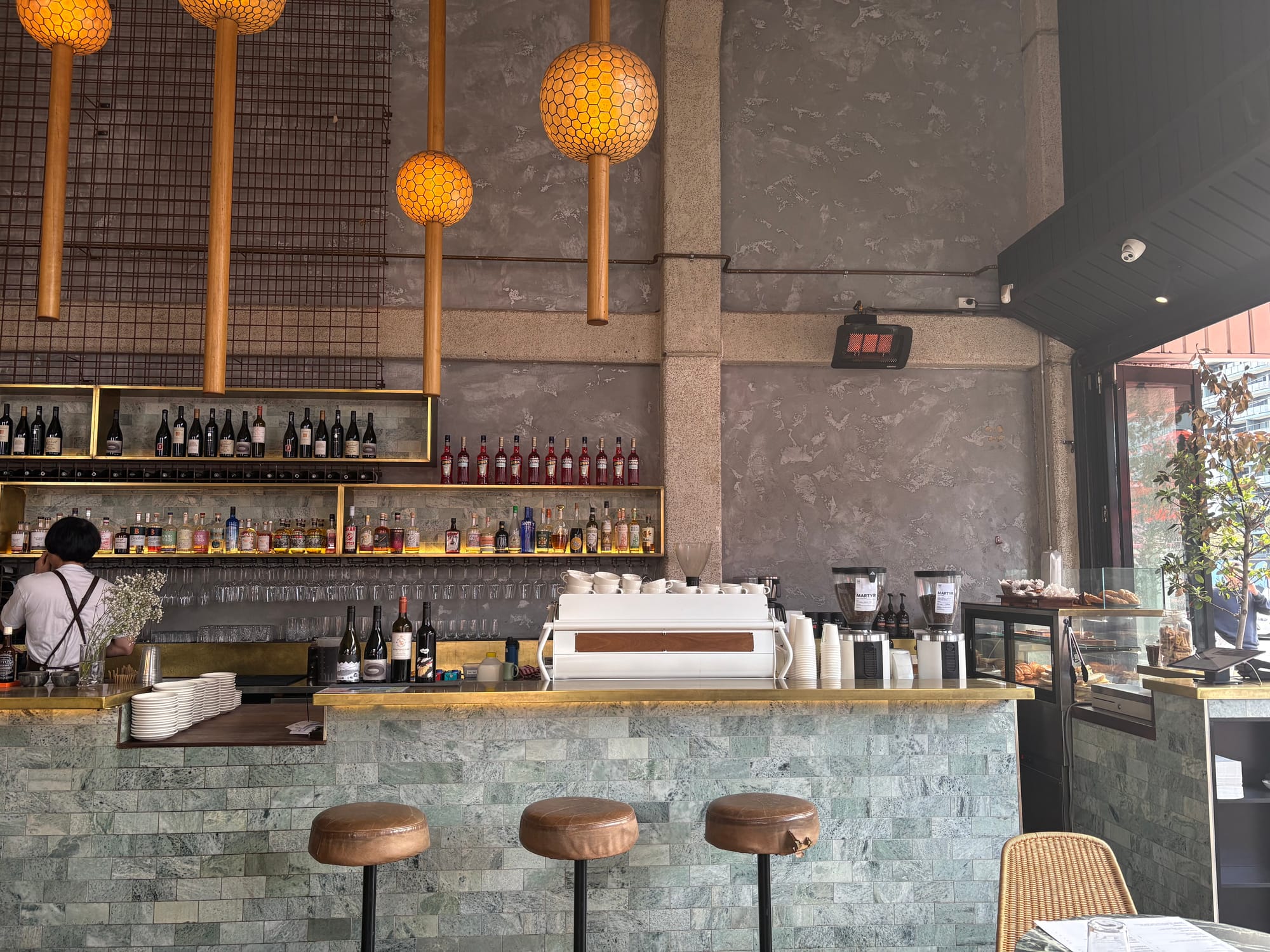
“There’s so much waste in this industry. It’s mindblowing. Most food only has a shelf life of one day, and to make your sales better, you need to have a full fridge and full cabinet,” he says.
“Baked goods sell way better than they do if the fridge is only half full. So the concept of having a full fridge and display cabinet that's gonna expire at the end of the day is very tricky to manage. Too Good To Go allows us to have that full cabinet and not worry about losing money and wasting produce at the end of the day.”
Whitmore highlighted the word-of-mouth awareness of the app - particularly through social media and blogging. “There’s a big Chinese blog community on ‘Little Red Book’ who stay up to date with deals and share opinions on what they think is good, so we’ve seen a huge increase in the Chinese community. Almost 70% of our customers are Chinese students and Chinese people,” he says.
The Chinese blog community's active participation in the app illustrates how migrants and different cultural groups are utilising digital platforms to create new networks to share resources and navigate the pervasive cost-of-living challenges.
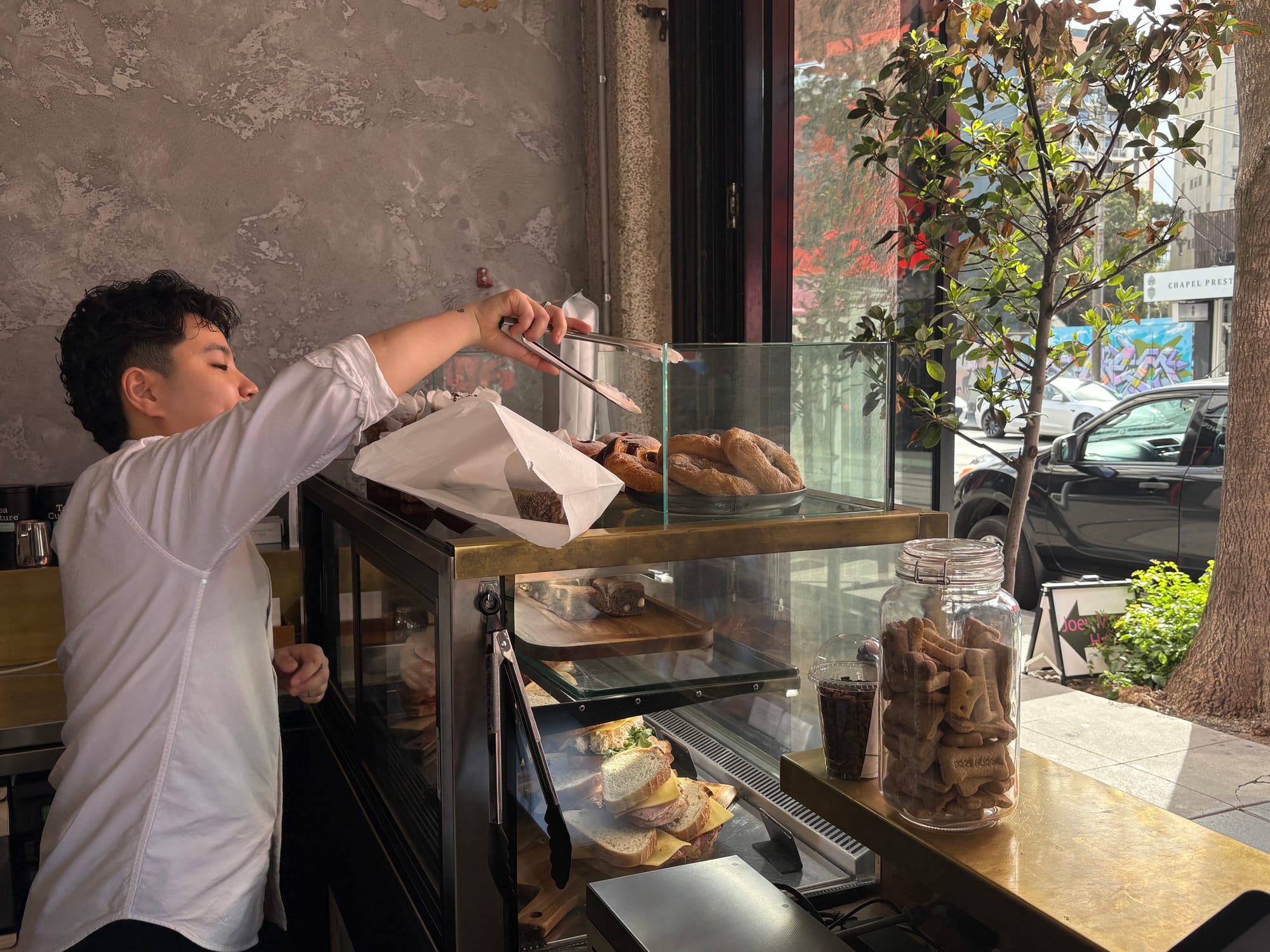
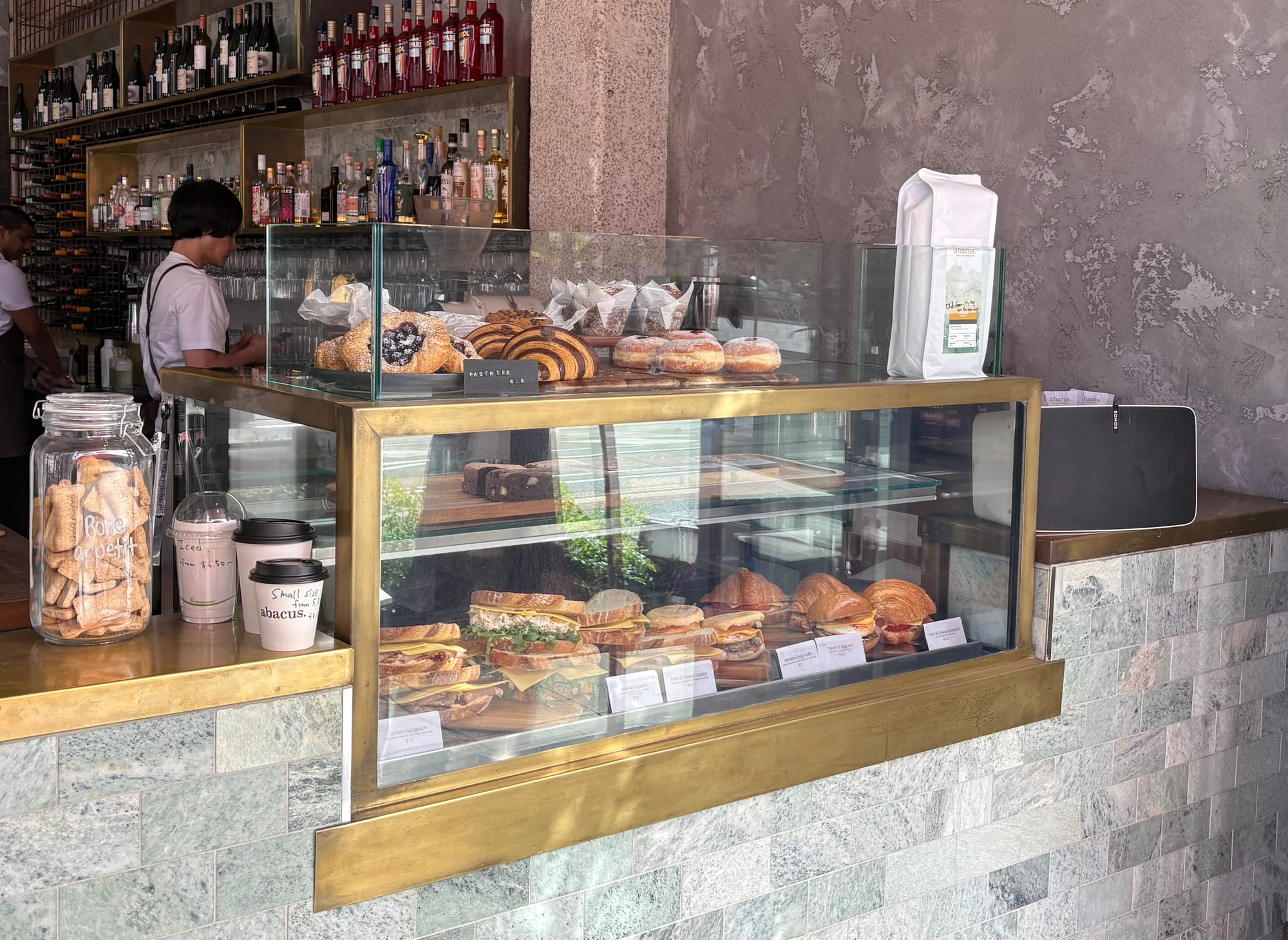
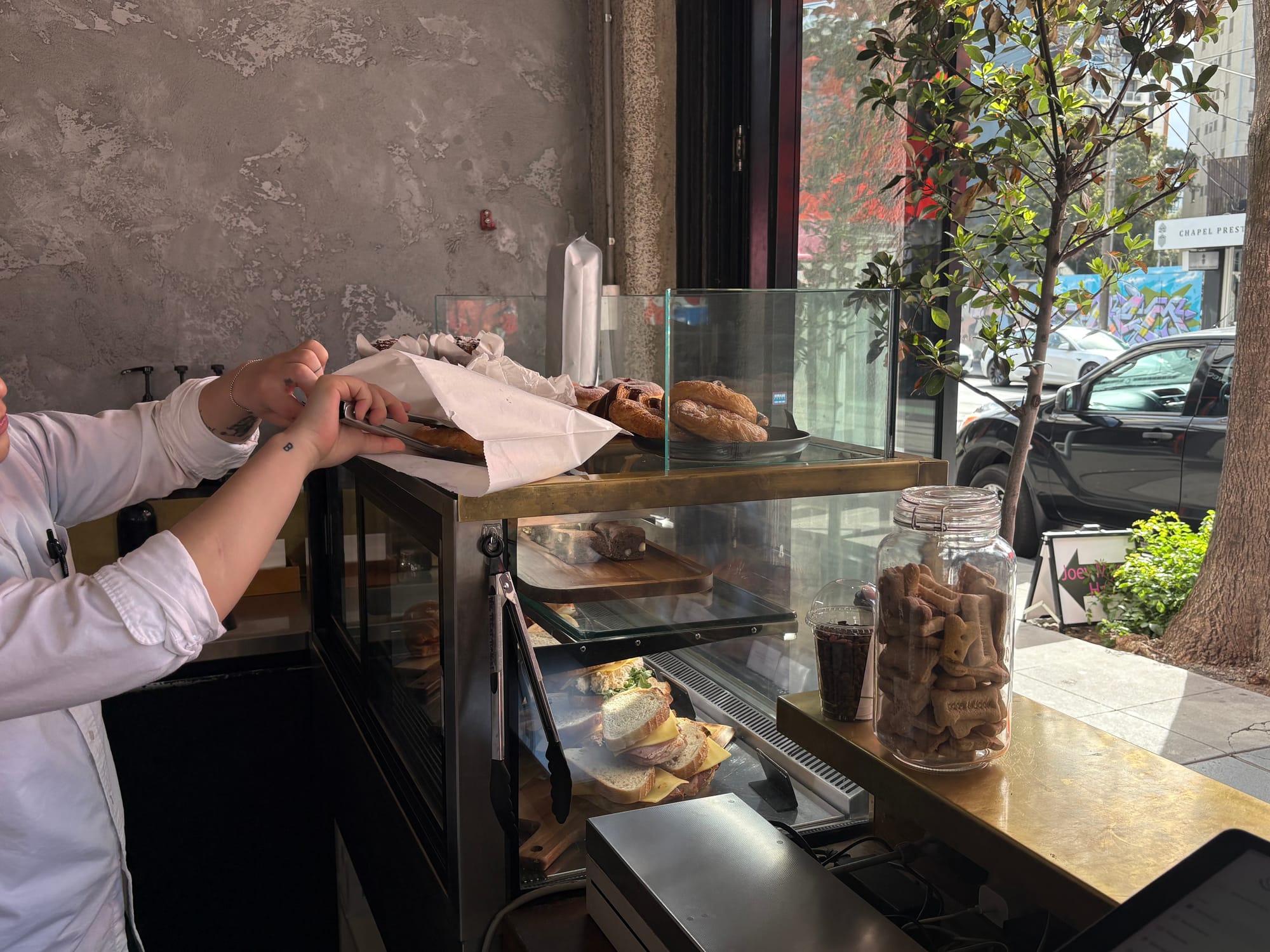
Abacus staff packaging pastries
“I've recommended some of our suppliers already, including other bakeries. It's great for two reasons, preventing food waste, and just the loss of money that it saves,” Whitmore explains.
Vijay Sivaraj, owner of Drums Sri Lankan Streetfood in the Queen Vic Market, also shared his thoughts on the app and how it impacted his business. “It’s great for the business, we get compensated for stuff we could have been throwing away. I think there are a few faults in the app, though,” he says.
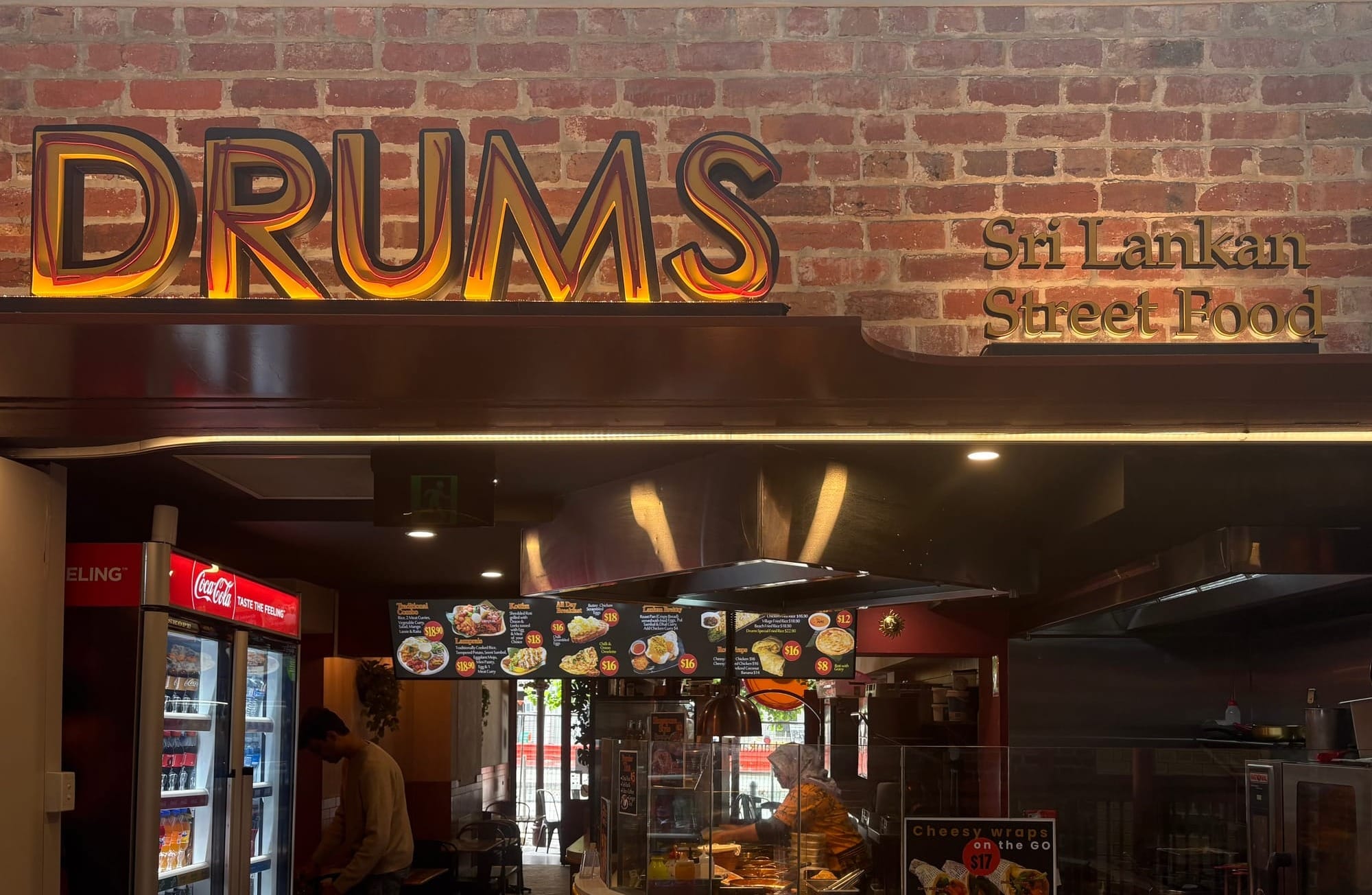
While Vijay felt very positive about the app, he found that a lack of accountability is the one thing that can defeat the purpose of discounting surplus food. “The one bad thing is that there’s no responsibility in the app for those that don’t pick up their surprise bag. They book it, they don’t collect it, then others who could have got it miss out,” he says. “People have then come to me to get a refund for the food they never came to pick up. We then lose money, and the food doesn’t go to anyone because no one else can redeem that voucher.”
Drums Sri Lankan Streetfood has been operating in the market for 29 years. “Food waste was a massive issue before we got on this app,” Vijay says, underlining the app's positive contribution to those who face the dual pressures of rising cost-of-living. “It warms my heart to know that people are being fed, particularly those that are going hungry or can’t afford it. We see many homeless people and lots of single mums and students. People that usually struggle to afford good, nutritious food,” he says.
This daily act of food distribution, Sivaraj observed, is not just good for the business; it subtly strengthens the social fabric of his surrounding community in ways that are often unmeasured.
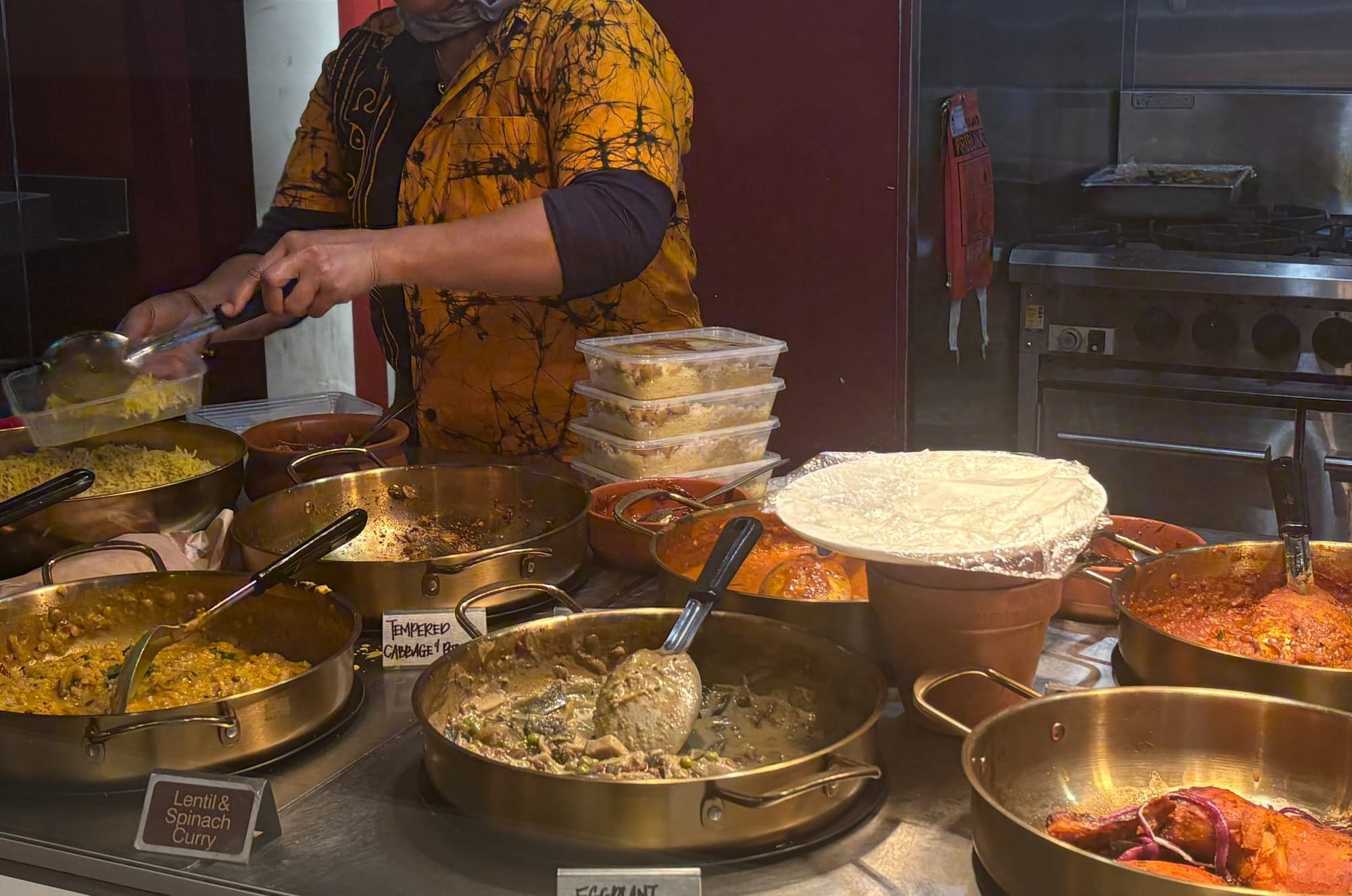
“Every Sunday, there’s also a lady who picks up a bundle of leftover food at about 3pm from us. She takes all these bags to the homeless people who seek shelter nearby,” says Sivaraj, shedding light on their additional contribution to community aid. “We just really love to feed other people who need it more. It makes me so happy.”
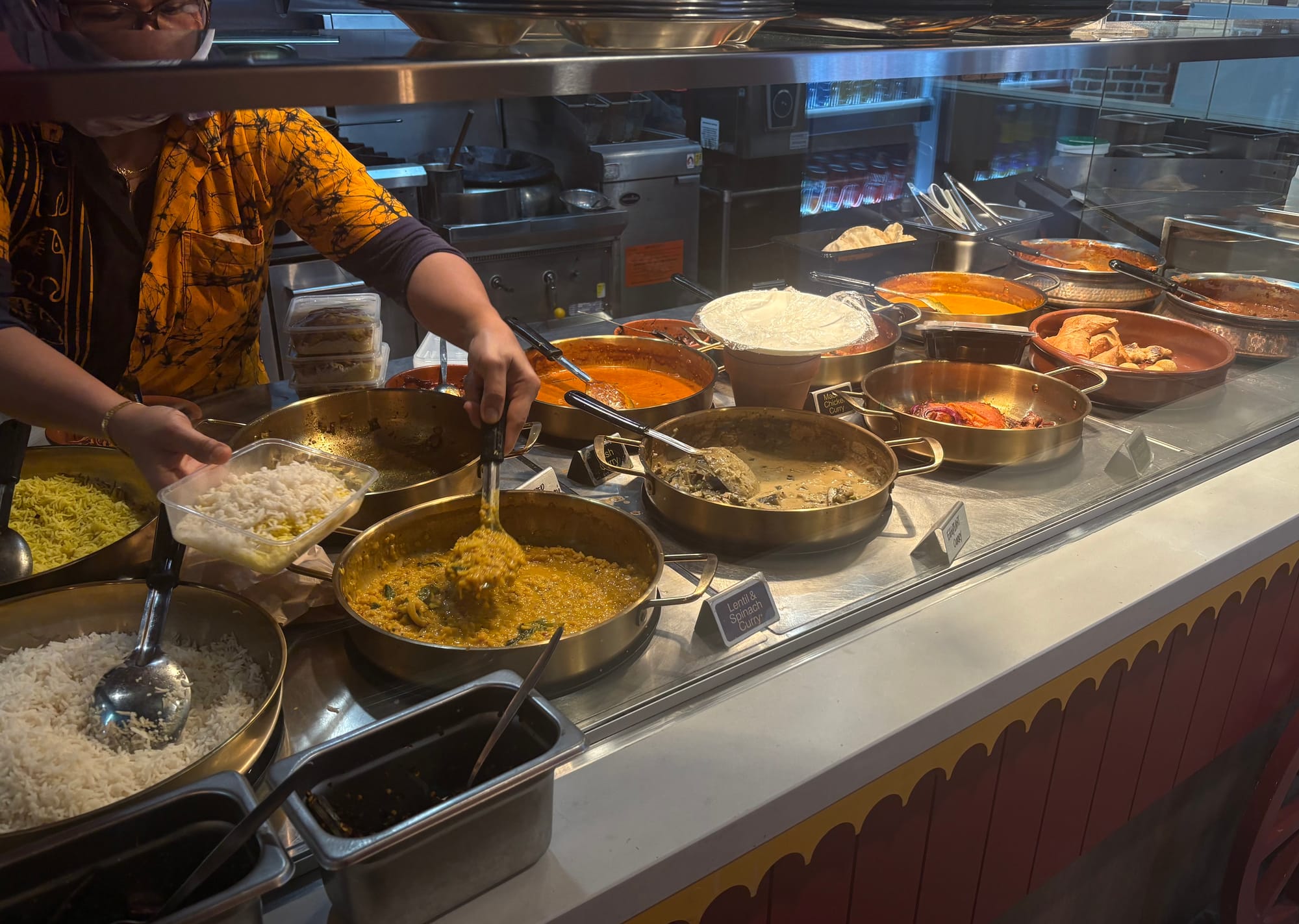
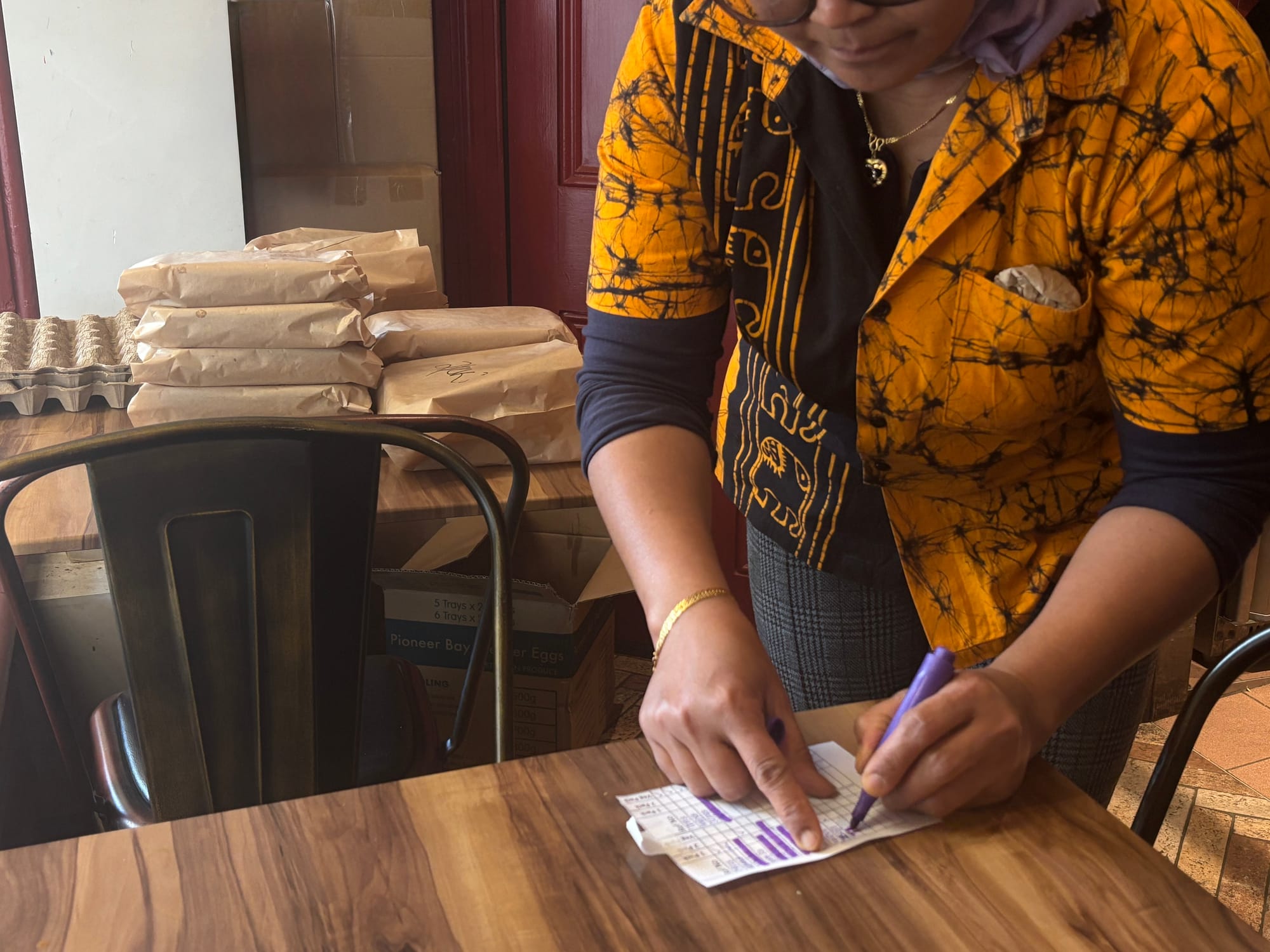
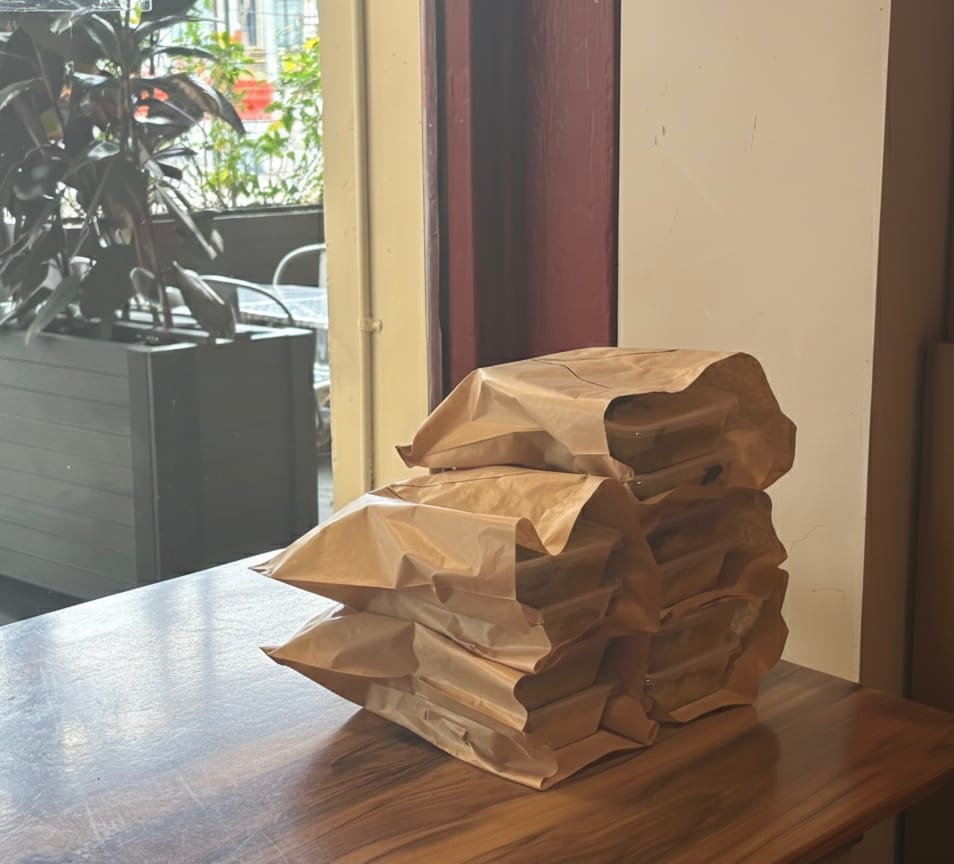
The process of Too Good To Go orders at Drums
WHAT NOW?
Too Good To Go offers a useful model on combating food waste, providing affordable and good food for people, and even generating profit for businesses, but broader changes are also needed across the food service industry.
Solving food waste can’t be left to apps alone. It requires a collective shift, including education on repurposing, redistributing and other alternatives with this surplus.
We know that 70% of wasted food is still perfectly edible, so businesses, venues and the general hospitality industry should be informed on ways to sustainably deal with this under the Recycling Victoria Policy.
From looking into local charities, food banks or shelters in the area to donate leftover ingredients to, to implementing a better composting strategy within the venue, the possibilities are endless. It starts with educating those who work in the industry to help create this sustainable and circular economy, all the while furthering Victoria’s goal of halving food waste by 2030.
However, the true measure of progress toward Victoria's 2030 goal is not just a technical one, but a social one; a failure to halve food waste is a failure of social inclusion, community care and bridging cultural divides.
With initiatives like Too Good To Go gaining traction and more businesses rethinking how they handle surplus, this shift is beginning to take hold. The challenge now is ensuring this lasts and grows, and that Melbourne’s love for food extends beyond what’s served on the plate to how it’s valued long after the kitchen closes.
Every bit of food waste saved represents not only fewer greenhouse gases and less strain on landfill, but also the chance to feed someone in need and strengthen the community spirit that underpins Victoria’s food scene.
Thank you to the generous sources featured in this story.
Edward Brinley, Melbourne chef.
Dylan Whitmore, Abacus Bar & Kitchen.
Vijay Sivaraj, Drums Sri Lankan Streetfood.