Please note the following story speaks about mental health.
If you or anyone you know needs help:
- Lifeline on 13 11 14
- Kids Helpline on 1800 551 800
- MensLine Australia on 1300 789 978
- Suicide Call Back Service on 1300 659 467
- Beyond Blue on 1300 224 636 or its COVID-19 support service 1800 512 348
- Headspace on 1800 650 890
- ReachOut at au.reachout.com
- Care Leavers Australasia Network (CLAN) on 1800 008 774
- Brother to Brother on 1800 435 799
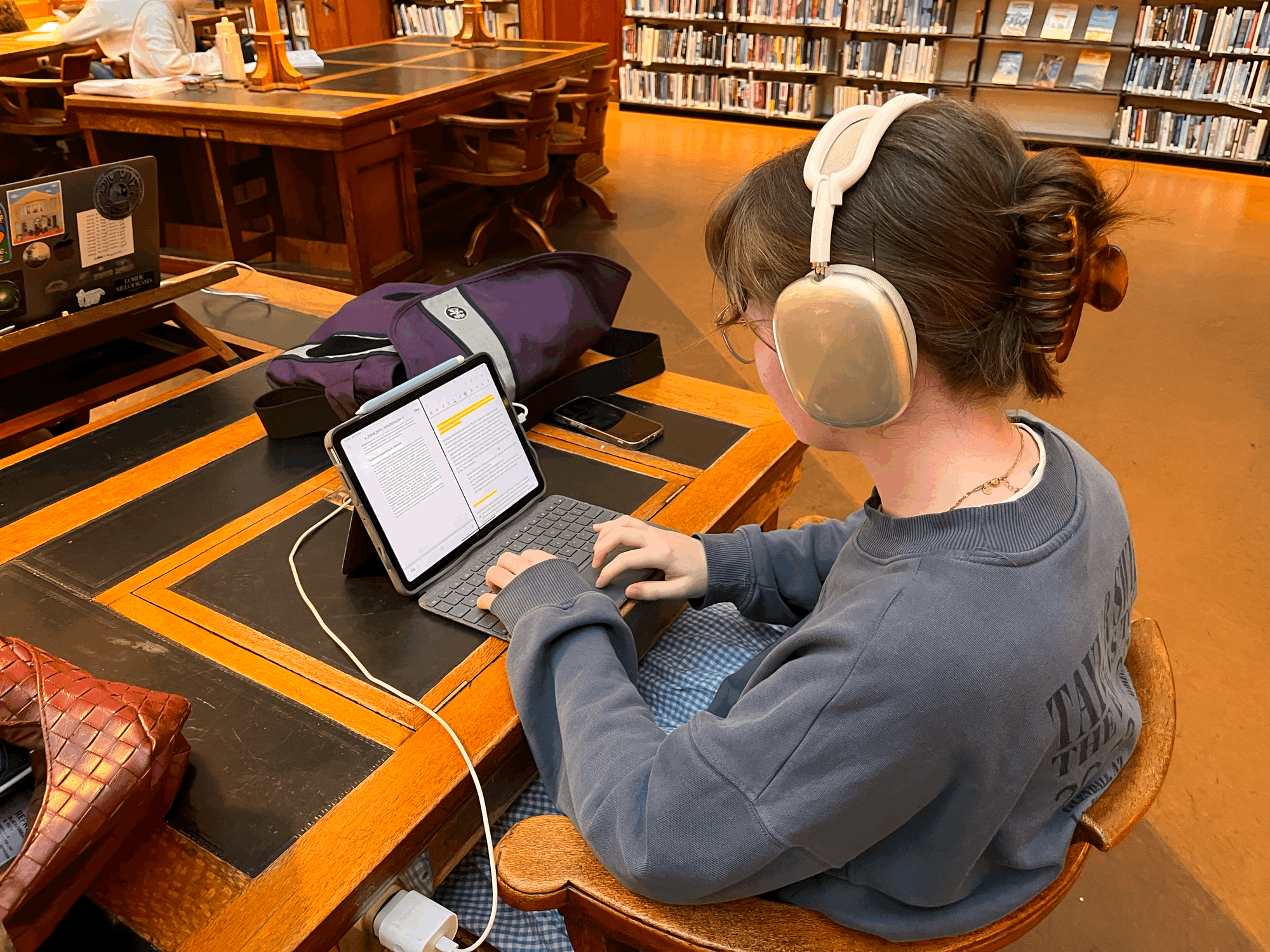
Skye Fenton moved to Melbourne from South Australia at the start of 2024 to pursue her studies at RMIT university.
Moving alone interstate to a brand new city is a difficult change for anyone but she eventually found her rhythm.
She started attending classes and picked up a job at a bar in Fitzroy to be able to pay for bills and groceries.

“I would get asked to come in during the same time as a class, and it became harder to say no, it became a choice between class or being able to afford groceries that week”
Skye thought it would be simple to catch up but eventually found it very difficult to balance work and university and it was affecting other aspects of her life.
“I would go weeks without being able to catch up with my friends because I was either at work or catching up at uni, not being able to have fun like that with people, it takes a toll on you”
Skye isn’t the only one. A choice between an extra shift or attending class may seem like a no-brainer, but for those who don’t have the benefit of living at home to study or receive minimal or no government benefits, the choice is far clearer.
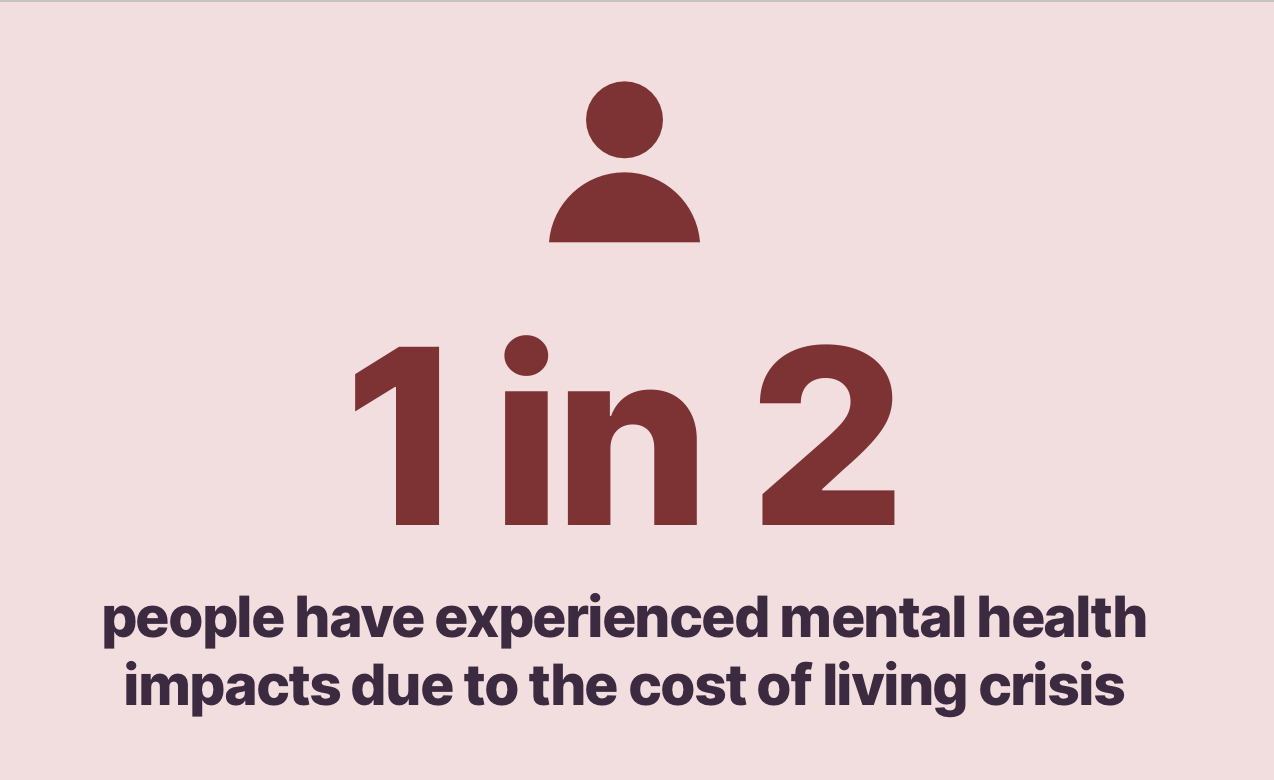
Following the 2020 global covid-19 pandemic, the Australian economy was shaken and this was reflected in the sky rocketing prices. From everything from bills to rent, to groceries to a takeaway coffee.
“Financial Stress and Mental Health are intrinsically linked” says RMIT student counsellor Elizabeth Matjaci

“Students are not only dealing with the sort of fluctuating pressures of assessments and being a student and all that that entails, like a lot of deadline stress that people are carrying around all the time. But when you add finances to that and not being able to afford things that can really tip people out of being balanced and kind of managing into not managing”
Elizabeth is a trained psychologist and one of the managers at RMIT's Councelling & Psychological Services. She has worked at RMIT for over 20 years.
She says it is evident to see these pressures with a 10% rise in students living at home to pursue their studies. Going from 48% living at home 10 years ago to currently around 58%.
Looking at the recent 2025 social cohesion report by the Scanlon Foundation, it’s easy to see the stress of being financially unstable.
This graph portrays that people who are financially comfortable and stable are happier and satisfied with their life, whereas those who are often feel sad or isolated.
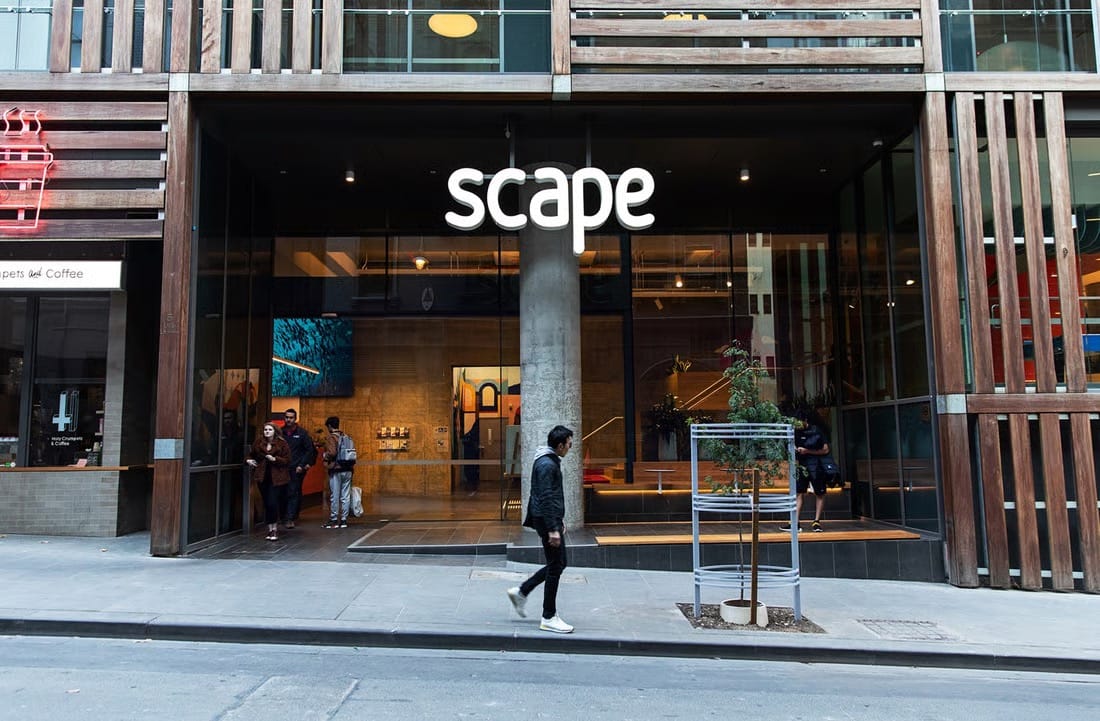
Scape which is one of the biggest student accommodation providers is often unrealistic for many regular students without a scholarship.
Starting at $330 per week for a shared room in the city to upwards of $700 per week for a studio.
Most people have to opt to find private rentals which is very difficult in the simultaneous housing crisis Australia is facing.
With many mental health resources also often being expensive, some students suffer in silence or have to wait weeks, sometimes months for support. There are helplines that are available 24/7 in case of emergency but for those who may be overwhelmed or stressed by everything, there is a process.
At RMIT, it used to take months to get an initial appointment, Elizabeth says they have recently changed their intake method, taking clients for initial appointments and then making assessments on what would help them best and going from there.
“We hope this will ease the longer wait times and allow students to get the help they need faster.”
At the time of publication, the average wait time for an online intake appointment is approximately 10-14 days.
Melbourne was once the World's Most Livable City, and now, too many people are struggling to just get by.
Students have to decide between class and rent, and the stress takes a detrimental toll on their mental health.
There have been measures implemented designed to help by both universities and the federal government.
We saw Albanese and the labour party winning the federal election this year, partially due to their promise of slashing HECS debt by 20%.
Universities such as RMIT have introduced scholarships to attempt to ease the fincanial pressures.
RMIT's student union RUSU has started doing food pantry and free breakfast's in some buildings on campus to make sure that no one goes hungry and has access to food.
But is it enough?
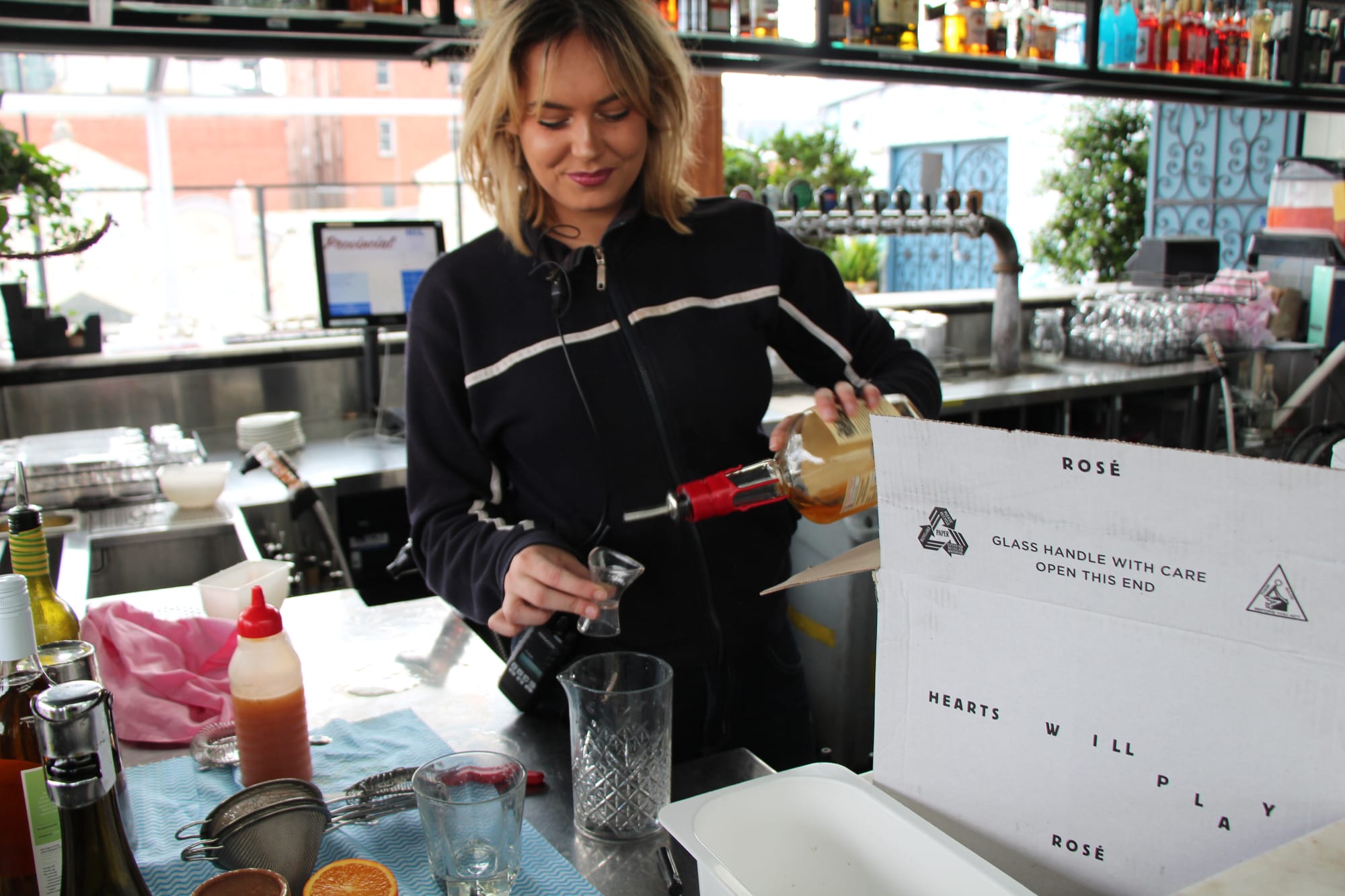
During Semester 2 this year, Skye made the difficult decision to offload 2 of her classes so she could focus on her own mental wellbeing and getting back on her feet.
“I know it means I won’t get to graduate as quick, but it’s something I had to do for myself. Hopefully, next year, I will be able to resume my full load and be able to focus more on it instead of work”
It is unclear when the current cost of living crisis that everyone, especially students, are experiencing, will ease.