Stitch by Stitch
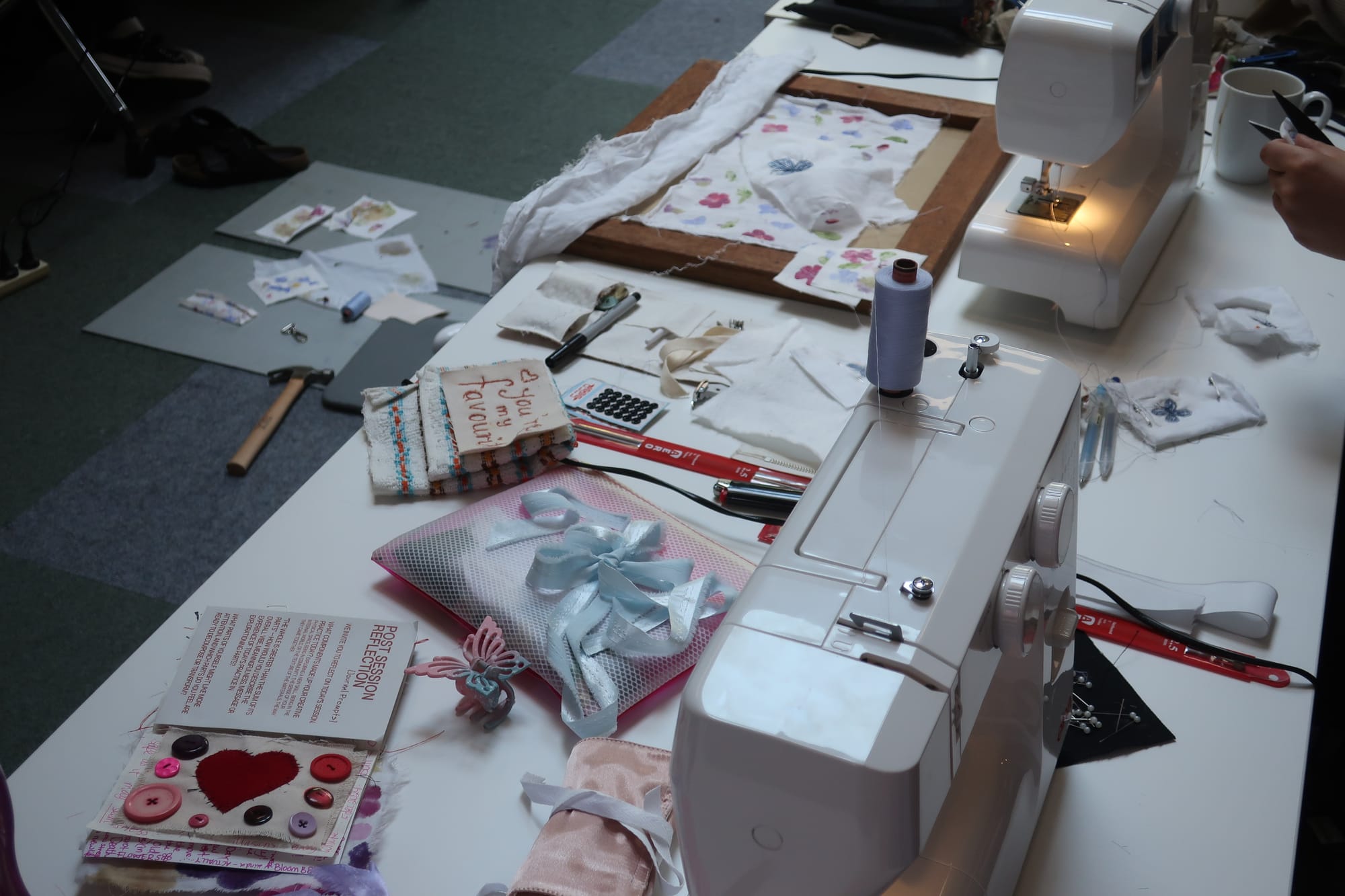
Can clothing repair workshops mend deteriorating community bonds and restitch the fraying seams of our planet?
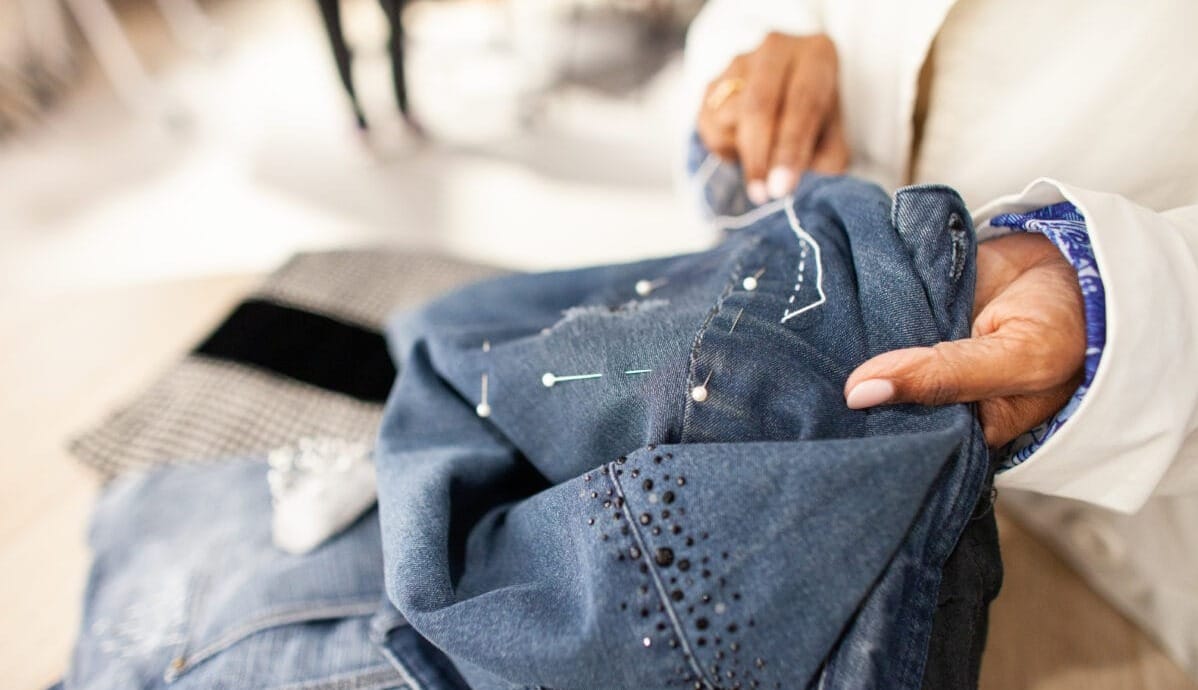
There’s a rhythmic whirring as the needle moves in and out, up and down. The pedal gingerly pushes to the floor, accelerating the motion. Fabric pours past guiding fingers, a delicate dance of shared control and trust.
Stitch by stitch, the marks of worn memories are healed.
A simple repair can turn ‘the end’ into ‘to be continued…’.
But today repair has become a lost art.
According to RMIT’s Keeping Clothes out of Landfill report, each year, Australians send over 200,000 tonnes of clothing to landfill.
95% of these clothes could be reused or recycled, Sustainability Victoria said.
Yet, most Australians rarely or never repair their clothes, instead adding to the growing pile of clothes in Australian landfills.
Repair is key to reducing waste, but its effects are stronger as a communal effort.
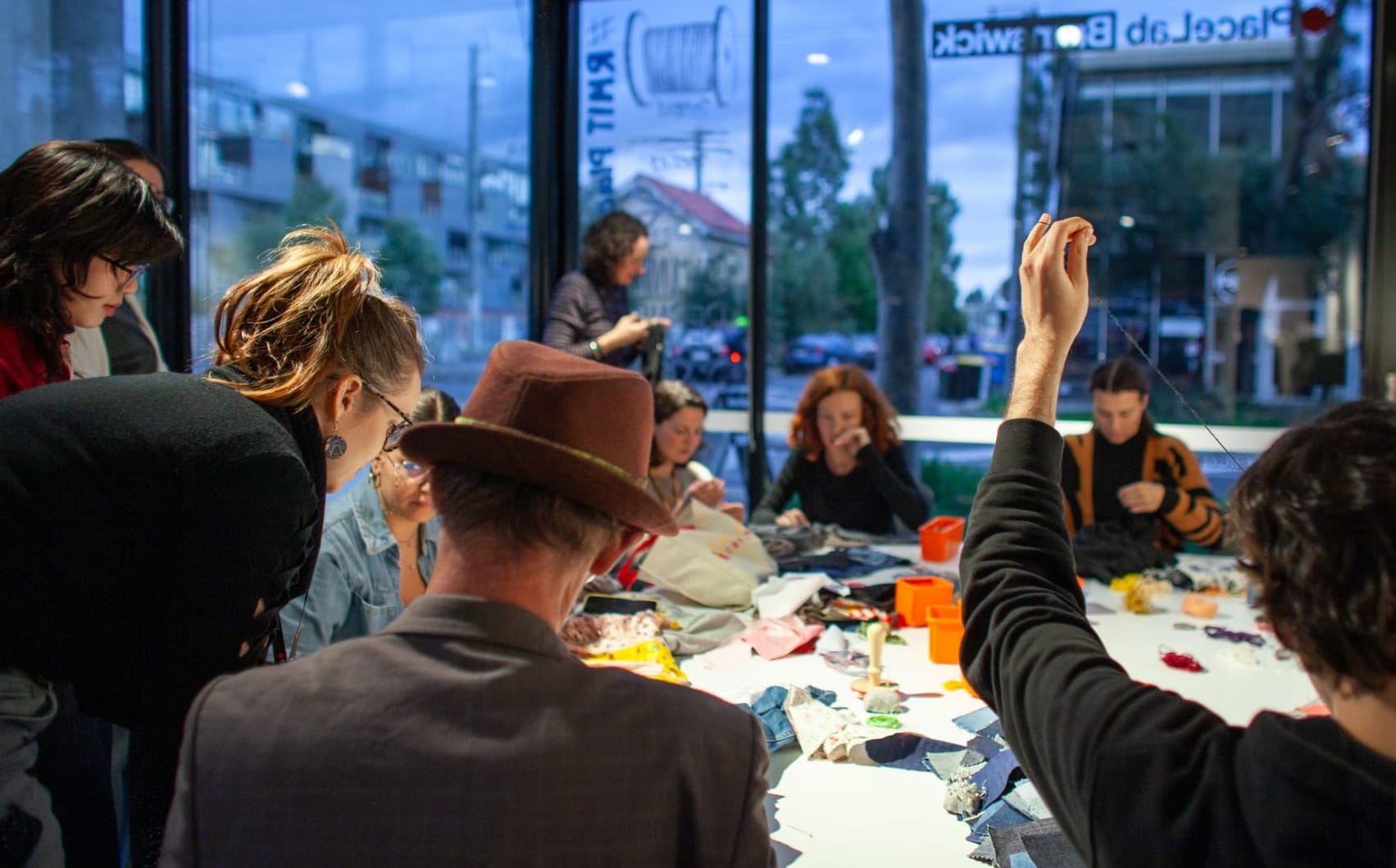
Community repair workshops are making this happen. Centred around the primary aim of teaching repair skills, these workshops bring together diverse local communities.
They create a safe space for community members to connect and grow together. Mending lost community bonds through the shared desire to repair clothing and restore our tattered planet.
The Healing Stitch
Repair can not only physically transform a garment but can support mental transformation in the process.
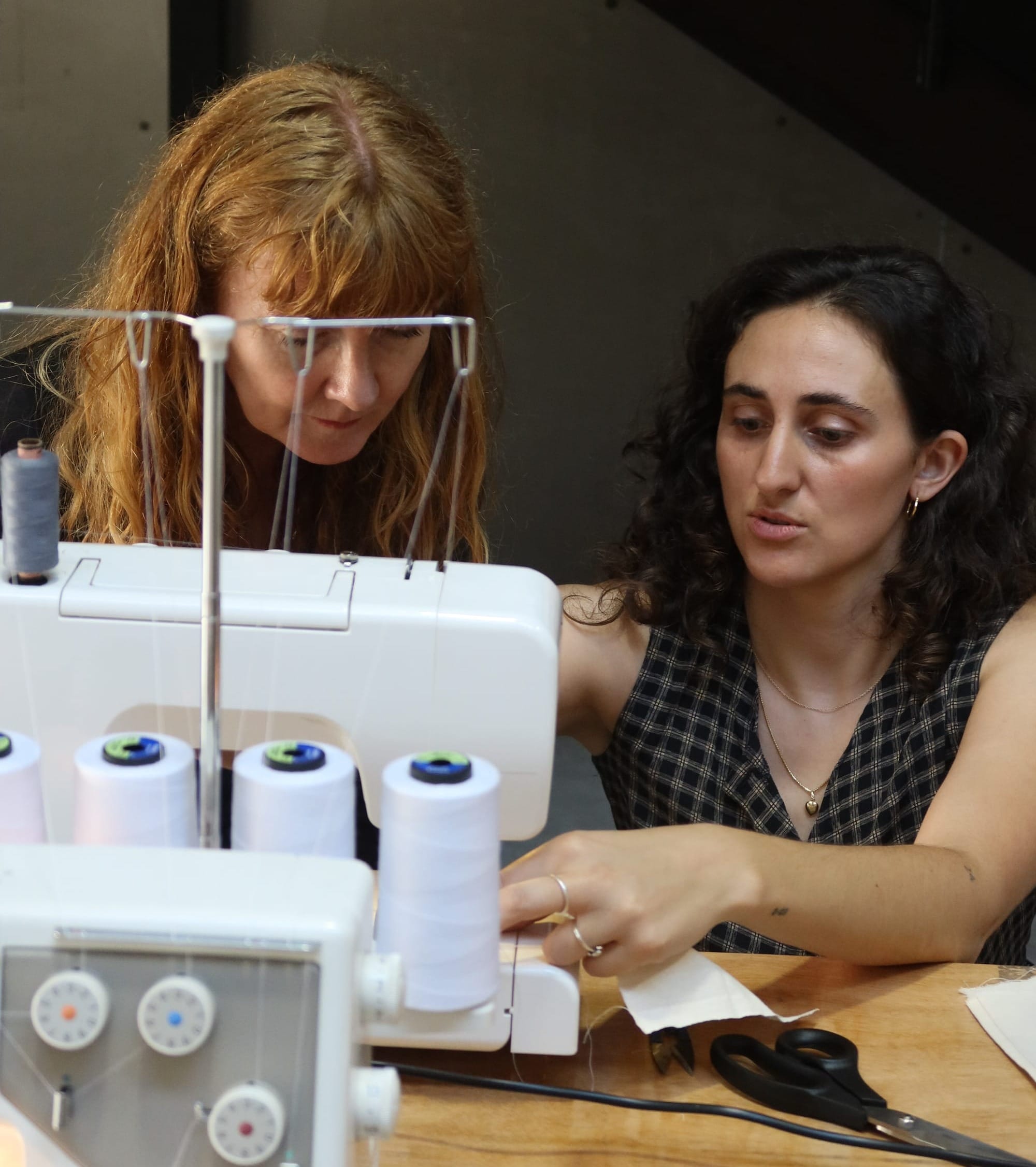
Isabella Raco, designer, researcher and PhD candidate, runs frequent repair workshops centred around community, education and sustainability.
Collaboratively, with the Centre Against Sexual Assault (CASA House) she hosts a repair workshop titled ‘Embracing Transformation Beyond Survival’.
Raco said this workshop is “specifically designed for the experience of the clients who go through CASA House”. It offers a space for survivors of sexual assault to come and learn repair skills and apply them in an “art therapy sense”.
Throughout these workshops, Raco saw participants come out of their shells, connecting through unspoken trauma, but more deeply through the repair that brought them together.
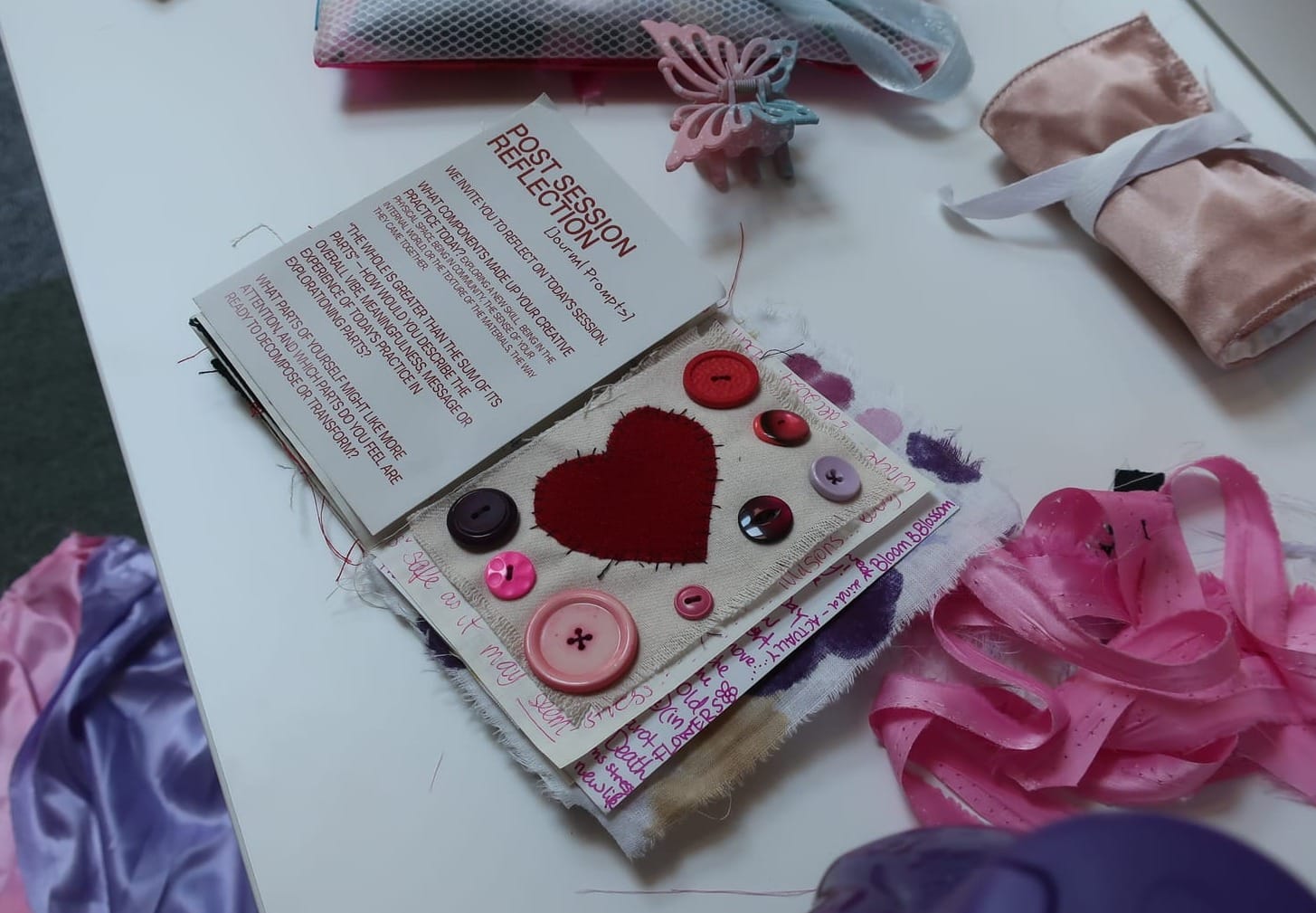
As part of the workshop, the participants were invited to bring in a garment that reminded them of their assault and transform this in a way that suited them.
Through the act of repair, Raco observed participants transform a painful memory and “take back” its “power”.
“It's not necessarily about erasing [the memory], but it's about moving… forward and allowing that flooding of all these… other memories that you may have forgotten because you've been spending so much time trying to heal this pain.”
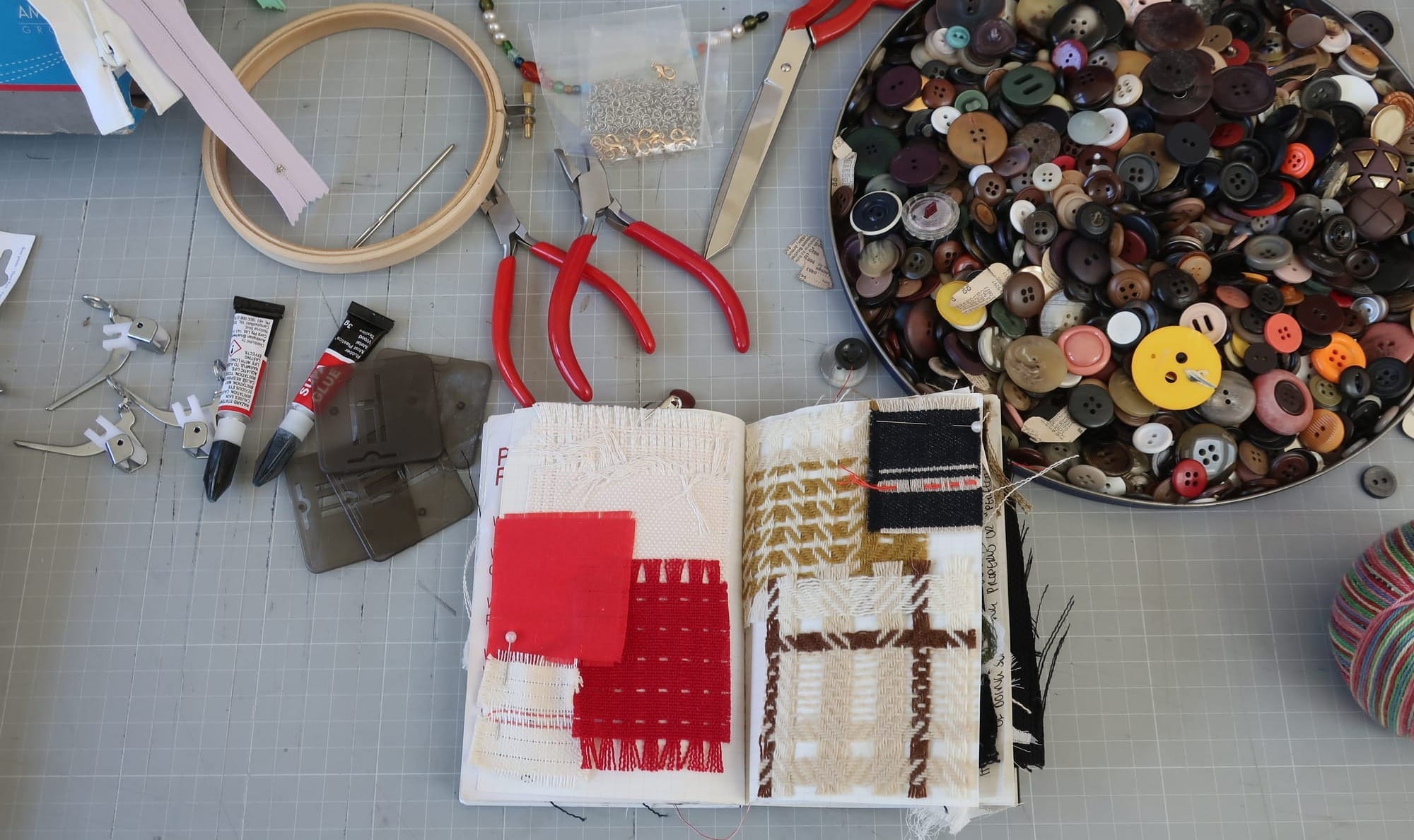
The connecting thread
When comparing her experience at CASA House to her community-run workshops, Raco said, “we’re looking at repair in two very different ways”.
The intention is flipped. With a focus on preservation rather than transformation.
RMIT’s Wear & Care report found that the common goal of community repair workshops was to preserve “the strength of memories” held by garments.
Many of which represent relationships between loved ones. Repair becomes an act of care that strengthens bonds, which extend beyond the garment.
PhD graduate Dr Julia English, academic collaborator to RMIT's Wear & Care report, finds repair "a fulfilling way to participate in sustainability".
"There's something lovely about a repair cafe where ... you have literally enabled something to be worn again, and ... you have made a very physical improvement on a garment."
The Journal of Community & Applied Social Psychology suggests that fashion is “inherently social”, and by leveraging this “intrinsic sociality”, we can move towards more circular practices that focus on reuse.
Their research proposes that community, creativity and relationships are the heart of repair, and through community repair workshops, we can redefine repair as an everyday, lived experience.
The sustainable lining
For repair workshops to have a lasting impact, people must carry these skills into their everyday lives.
However, there are some key barriers to everyday repair.
Most obviously, if you don’t have a sewing machine, it’s going to make things difficult.
Additionally, the International Journal of Sustainable Fashion and Textiles highlighted that “interest, access to tools or ability” can limit engagement in clothing repair.
A fully circular vision can only be achieved when we “restore our relationship with materials and practices to keep clothing in use for as long as possible and to reduce consumption”, they said.
RMIT Research Assistant, Paige Street, said “we can’t repair our way out of the 200,000 tonnes [of clothing] that are going to landfill”
But “reuse of clothing is one of the most significant ways that we reduce clothing's carbon footprint across its entire lifecycle”, and “repair is predominantly a reuse intervention”.
Colorado State University proved that “by extending the average life of clothing by nine months”, there is a “20–30% annual reduction in the carbon, water, and waste footprints of clothing”.
“Individually, actions might appear small and inadequate, but collectively they can be powerful amongst communities”, the Wear & Care report said.
The more we value our clothes, the more we learn and the more we sew, the stronger we will be as a community.
The rhythmic whirring continues. Thread pumps on beat with the machine. Each stitch weaving the tapestry of repair, mending the fraying seams of our planet in the process. A memory renewed, a planet restored. A new chapter. No longer ‘the end’ but ‘to be continued’.