How Social Media Is Scaring Women Away from the Contraceptive Pill

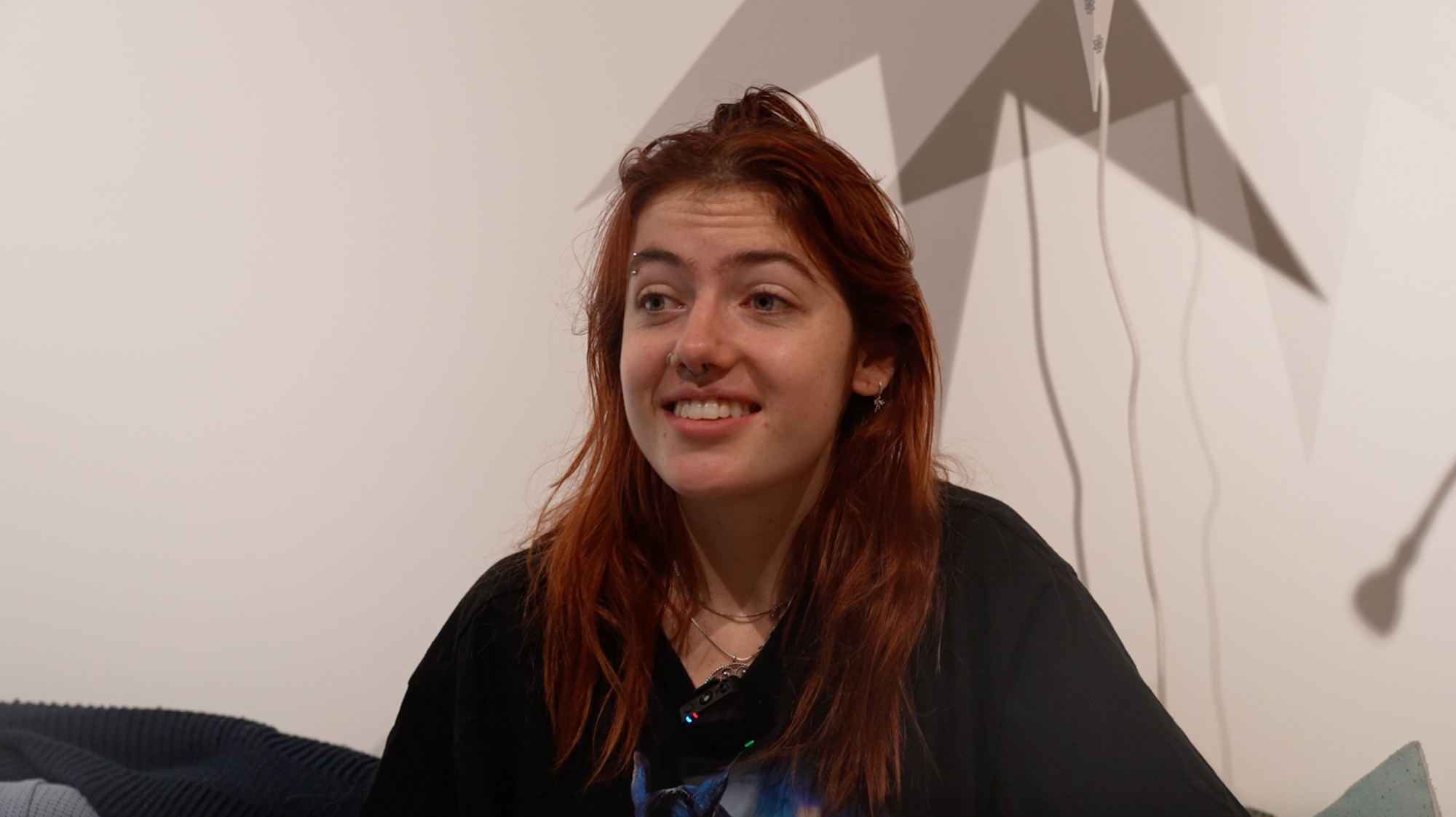
After being told to go on the contraceptive pill by her doctor, Steph was terrified.
A scroll through TikTok painted the pill as something to fear: a medication that could change her mood, her weight, and her likelihood of cancer and infertility.
Who wouldn't avoid it?
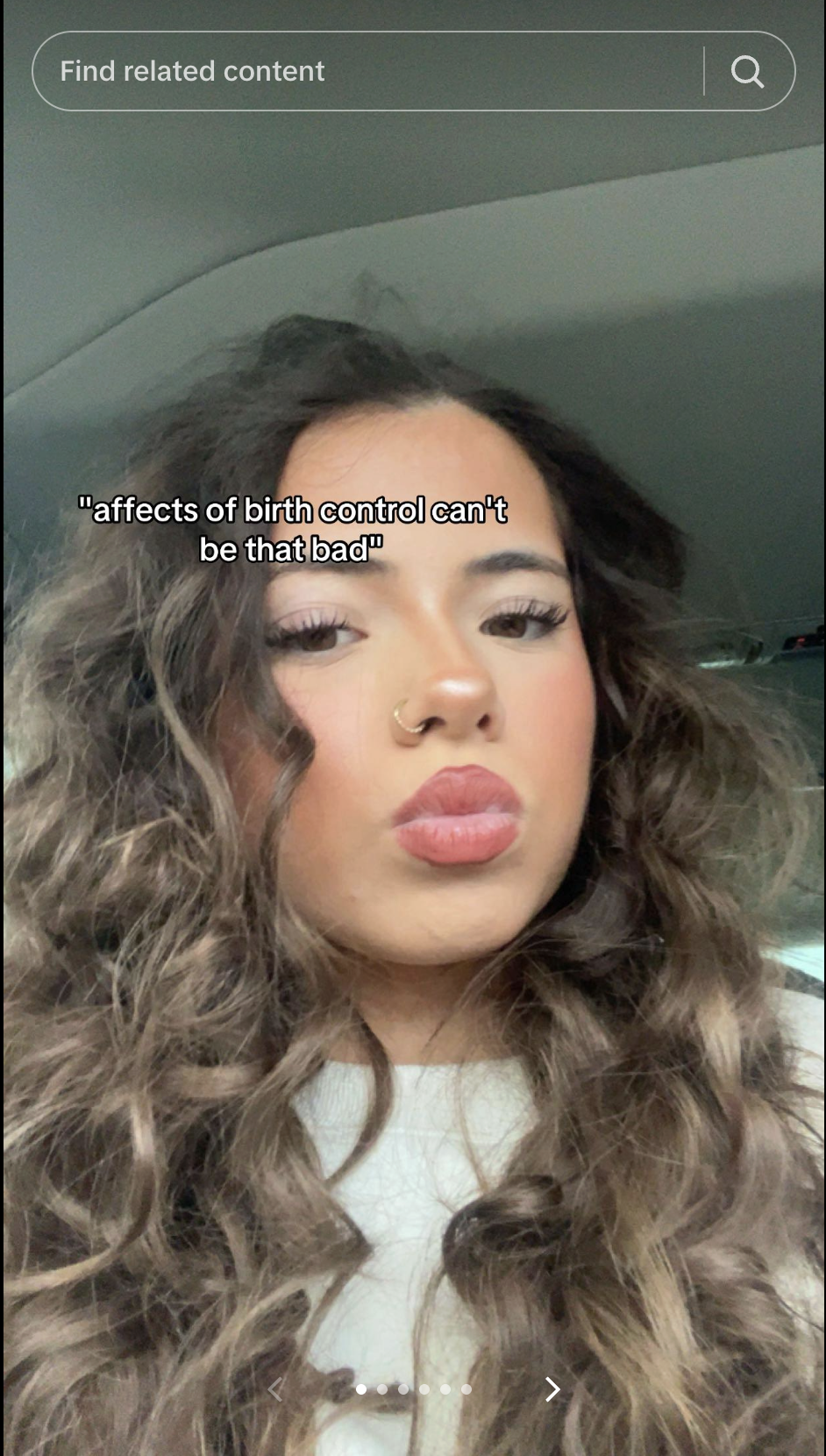
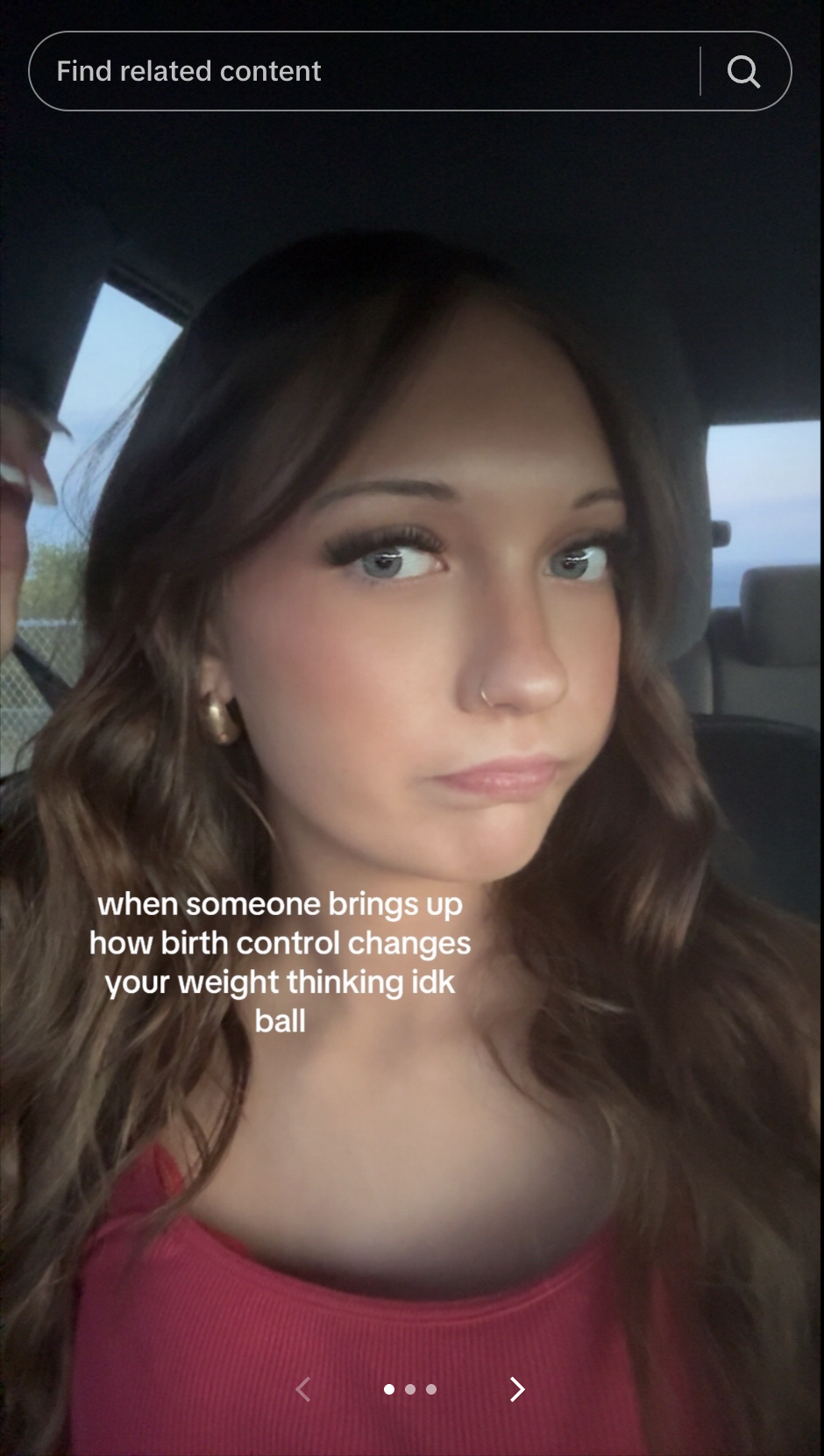
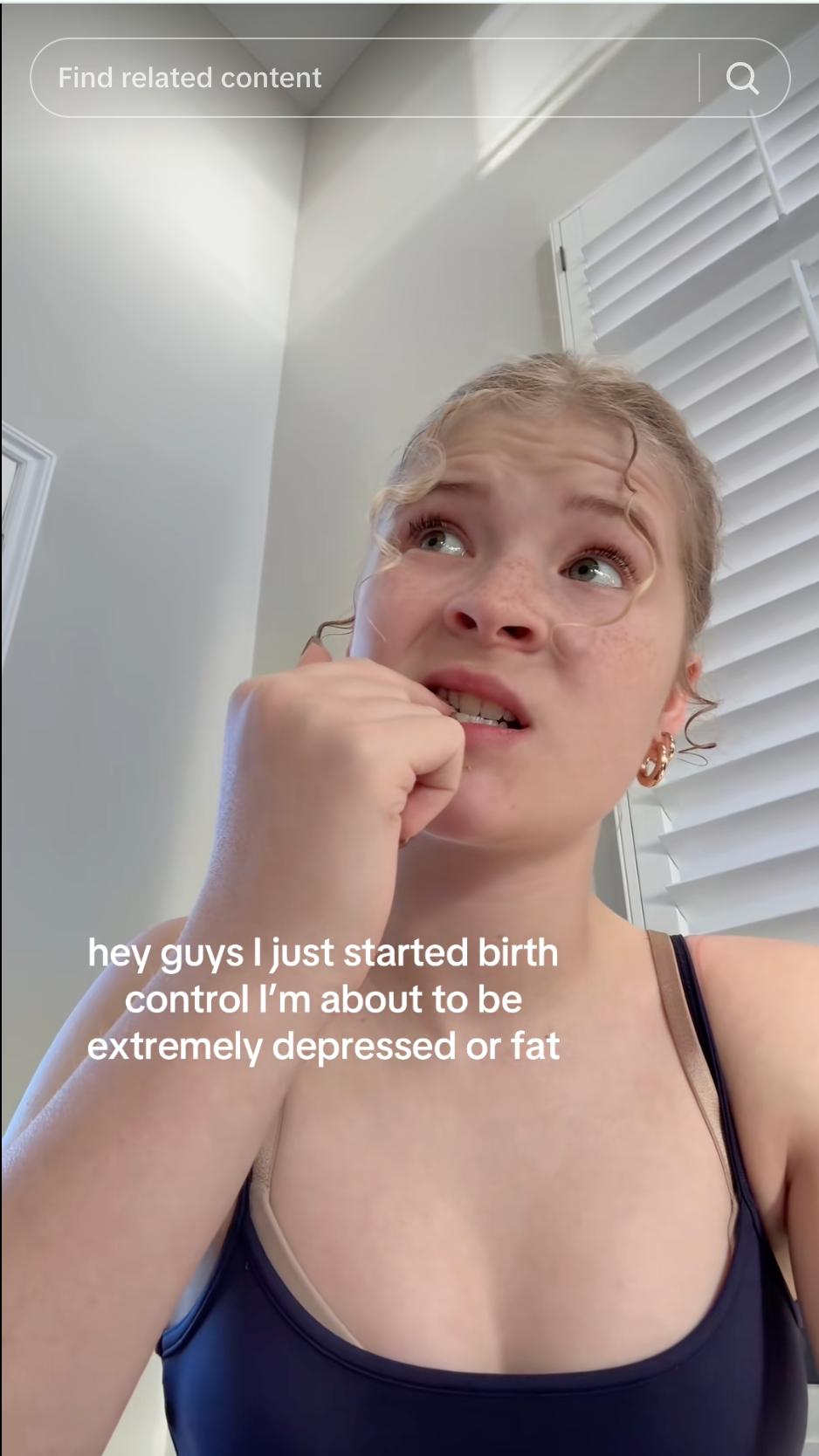
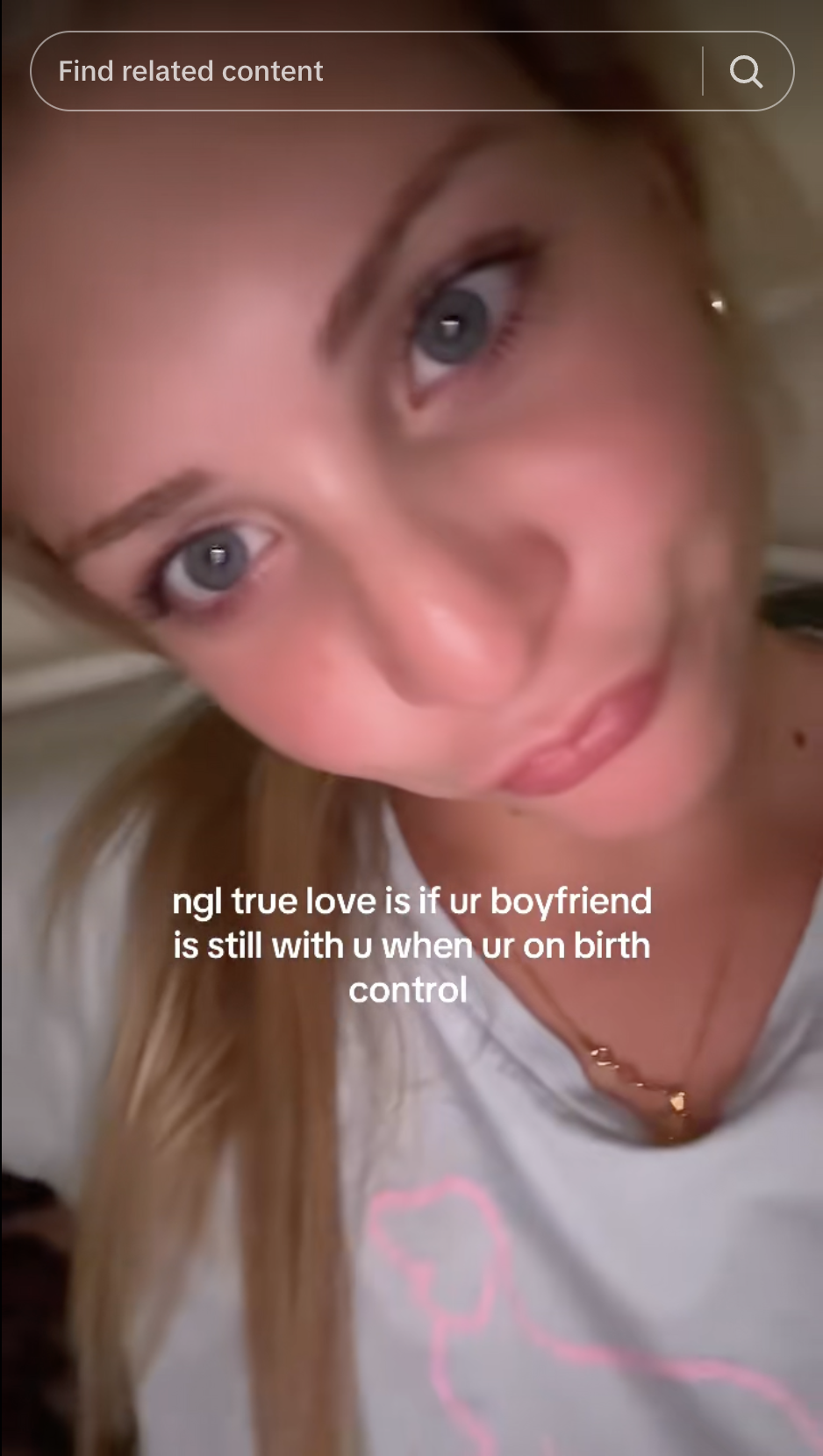
Misinformation about hormonal birth control has been circulating online, and with ⅔ of teens in Melbourne getting their health advice from social media, it's becoming more dangerous.
In 2025, a group of researchers from Latrobe University, investigated the quality of contraceptive information on TikTok.
They viewed 100 of the most popular TikToks under hashtags of #birthcontrol and #thepill to see what kind of content was getting pushed out to audiences.
These findings demonstrate that general creators are the most common creator group generating negative and often misleading content about the pill.
Individuals with no medical expertise can now reach thousands online, making misinformation far easier to spread.
GP Dr Nick Silberstein, deals with this daily as he speaks to patients exposed to this content.
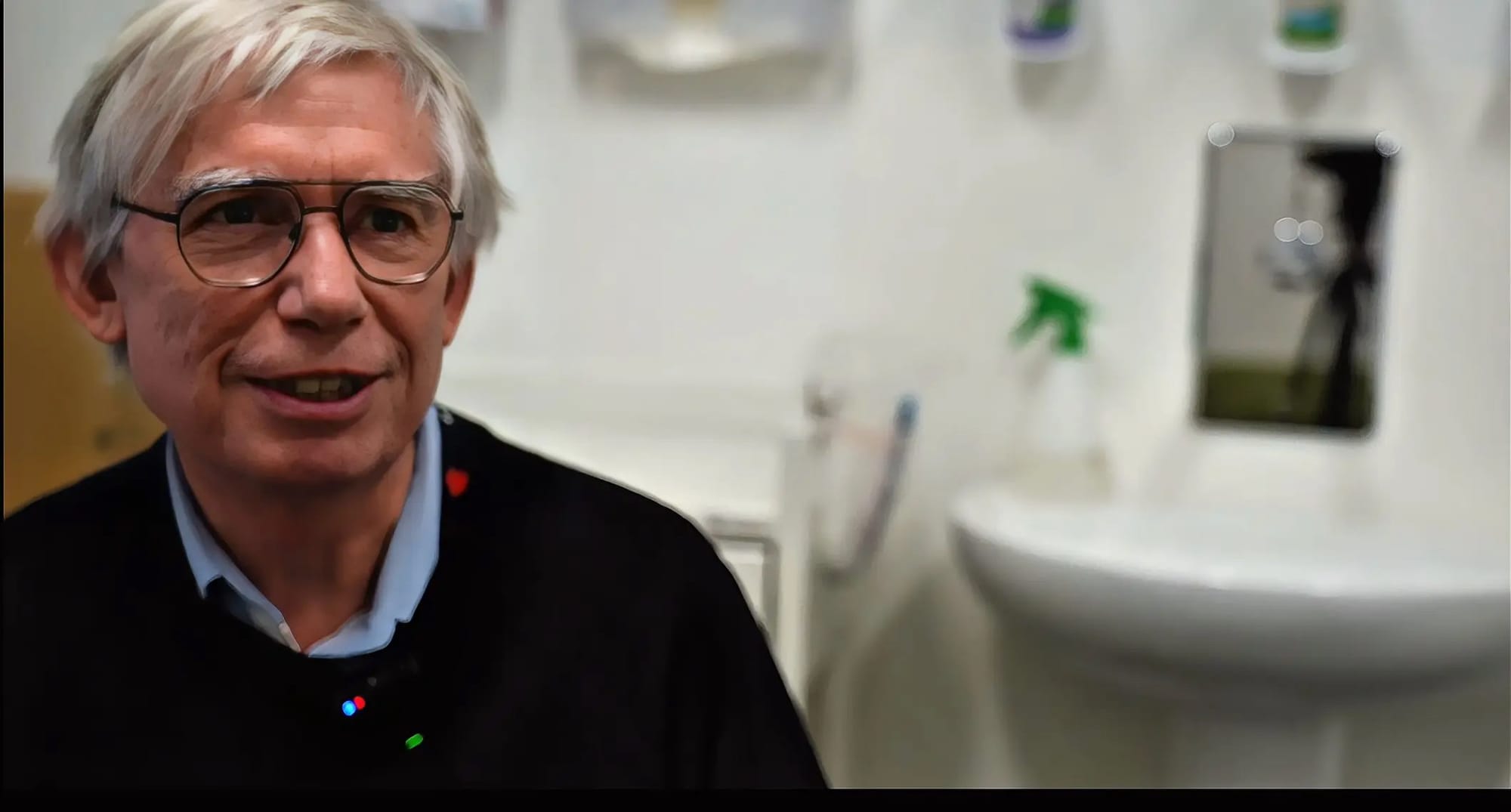
“This kind of information is very sad really because for most people contraception is more than safe, it’s a positive benefit”, he said.
These misconceptions, he says, originate back in 60s, when administration was four to five times stronger than now.
Many people still associate the extreme side effects from the pill as ones from decades ago, and therefore some can struggle to trust health professionals.
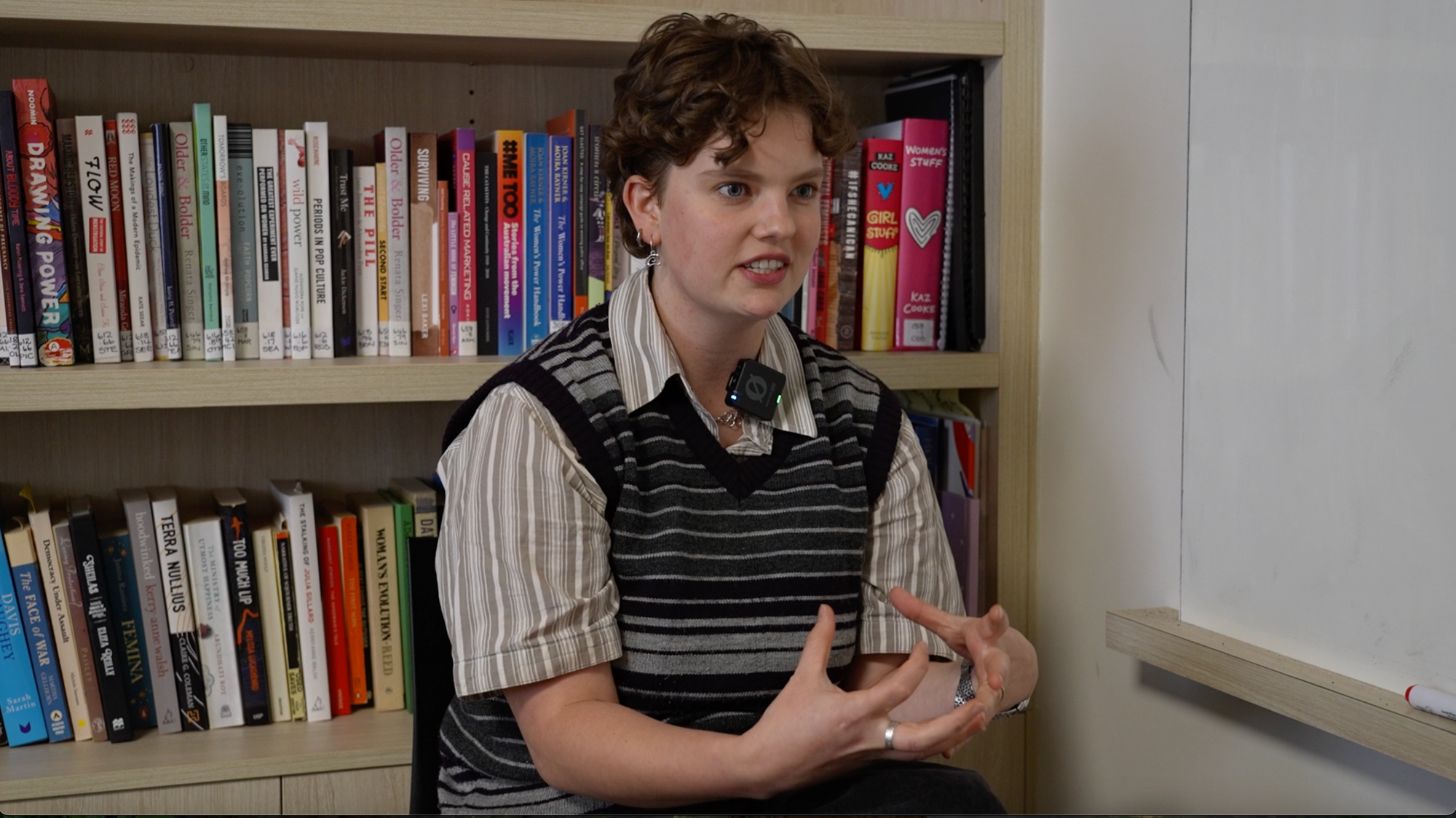
Ava Wansbrough is the engagement officer at youth space Rosie, she fights back against the misinformation online and also attends schools and speaks to those directly affected.
Rosie is run by the Victorian Women's Trust and is designed to provide a welcoming space for young people to seek information about a range of topics, one of which is sexual health.
Wansbrough explained that women’s health can be so vulnerable to misinformation because of it being underfunded, and women being dismissed in medical settings creating an ingrained distrust.
Starting in July, the contraceptive pill can now be accessed directly from a chemist without a GP prescription.
“This reform means women will have more choice, faster access, and the confidence of knowing they can speak to a highly trained and trusted healthcare professional close to home.” The Pharmacy Guild of Australia stated in their press release.
However, even this access comes up against the pervasiveness of TikTok misinformation.
When Dr Silberstein's patients come with questions about the pill, he likes to debunk any myths step by step.
So here we go, these are the most common myths:
Click the card to reveal
Birth control pills cause cancer
There are studies that show that the pill can slightly increase the risk of breast cancer to those who have a family gene and predisposition to it, therefore it is likely to be reconsidered for some individuals.
However, what does increase the risk of cancers is the replication of cells, therefore for endometrial cancer and ovarian it is actually decreased by 50-70% according to Dr Silberstein. He refers the pill as a “cancer preventing strategy” for women.
Click the card to reveal
Birth control creates Infertility
One of the pill's main functions is to make women infertile, but only temporarily.
As soon as someone stops taking the contraceptive pill, their fertility returns to previous levels, therefore it does not cause any infertility
Click here to read more about birth control pills and infertility.
Click the card to reveal
The pill is 'unnatural'
The pill can be used to control the menstrual cycle and the hormones in the pill aim to mimic the same ones in the human body.
Taking the pill is no less natural than taking a Panadol or a Nurofen for period pain or a headache. It is safe, and can drastically help women with endometriosis, heavy menstrual bleeding and cramps on top of preventing pregnancy.
After weighing up the medical professional's advice against what she heard online, Steph decided to listen to her doctor and get on the pill.
She did not find any side effects.
She urges others to not be swayed by the harmful misinformation.
If you're seeking reliable information about the contraceptive pill, here is where to go:
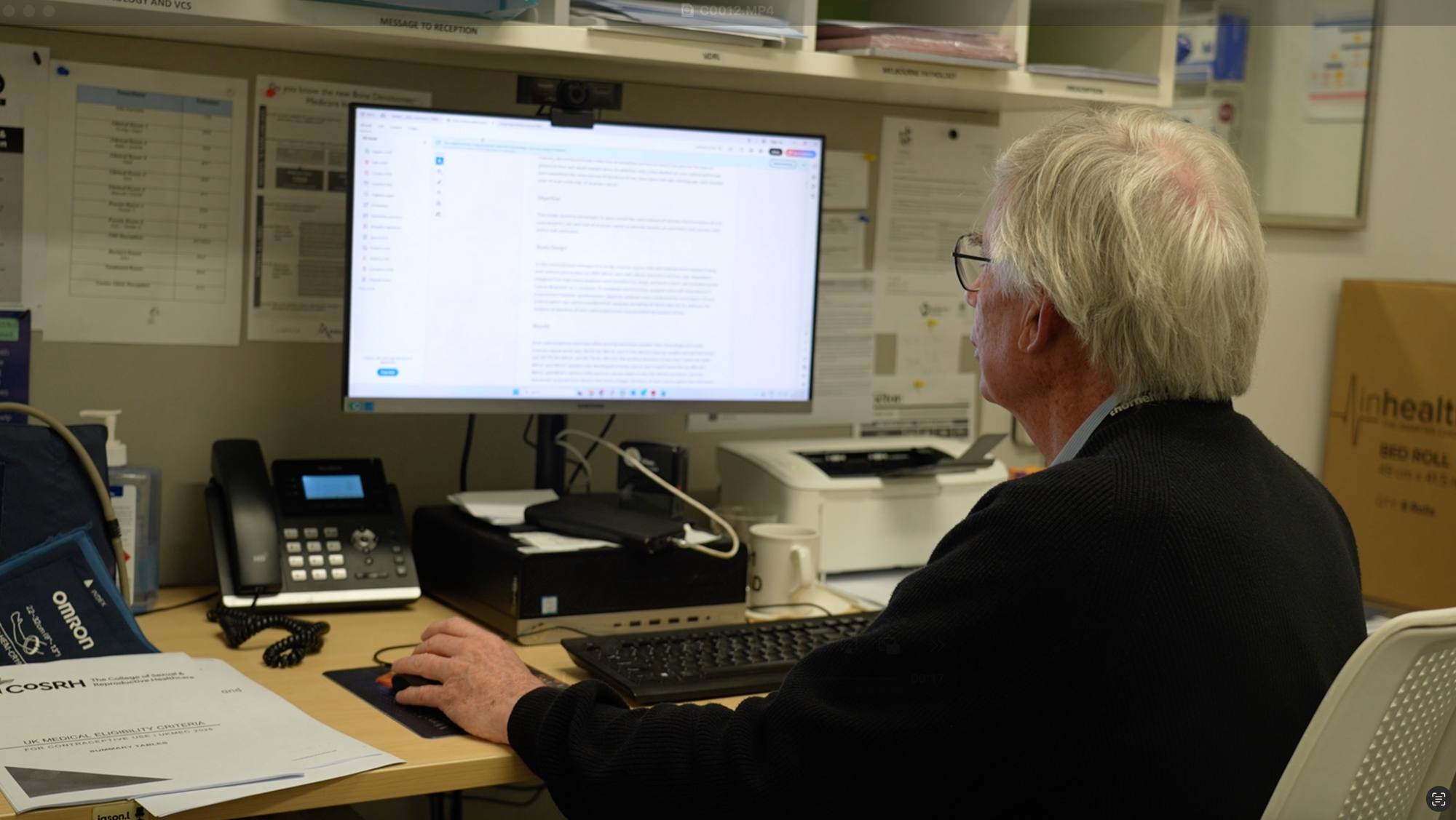
Find a trusted GP
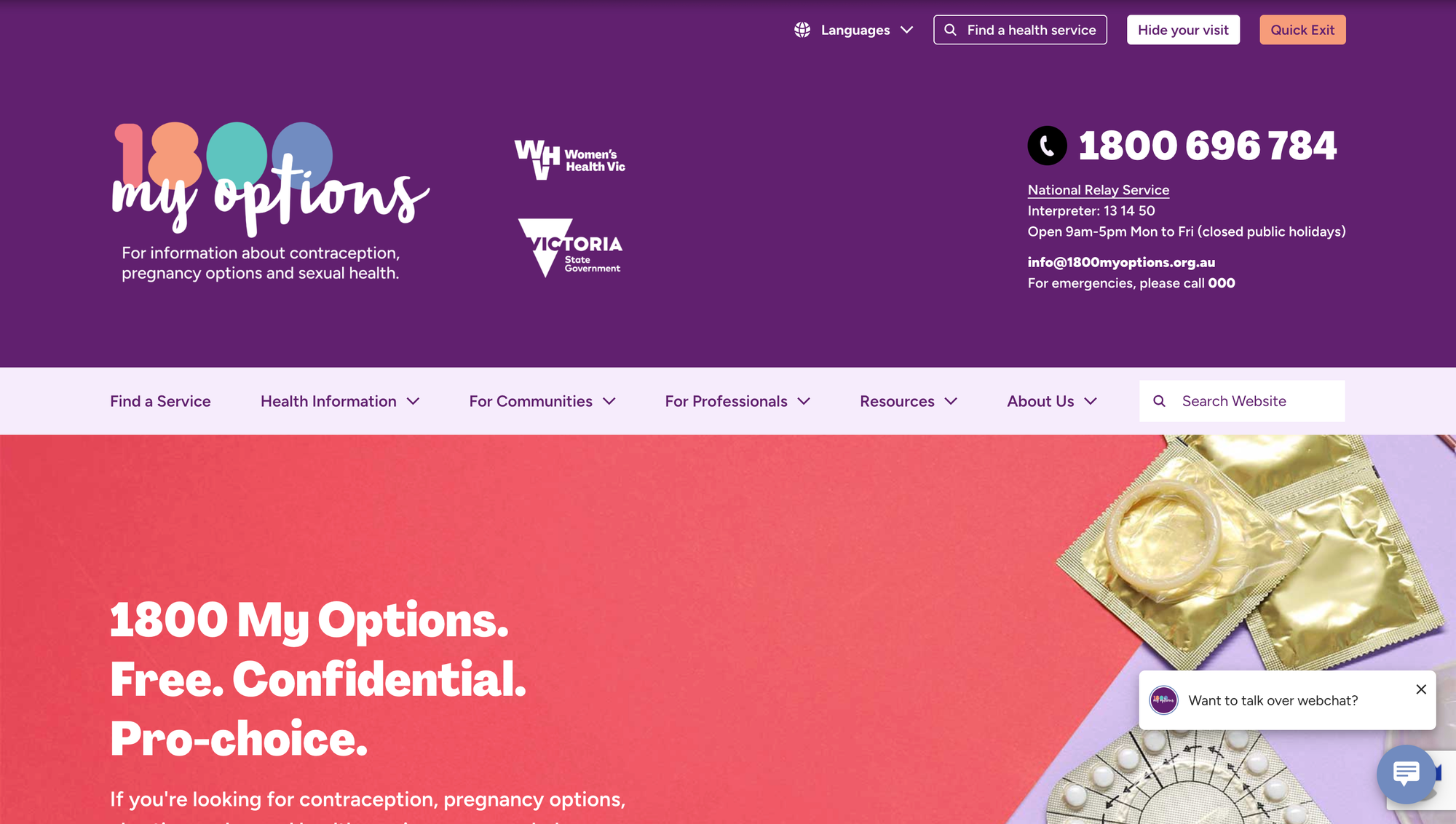
1800 my options
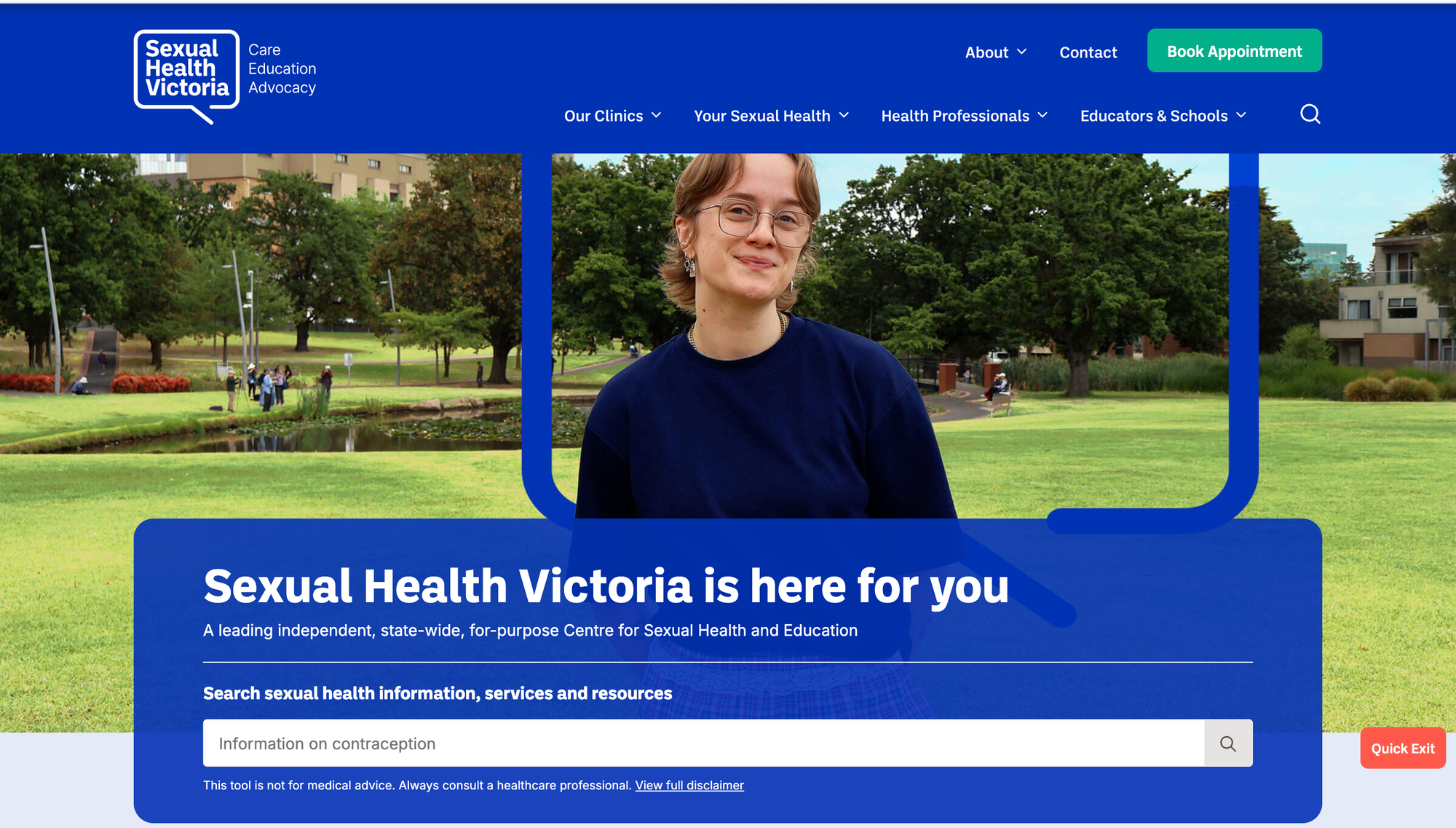
Sexual Health Victoria
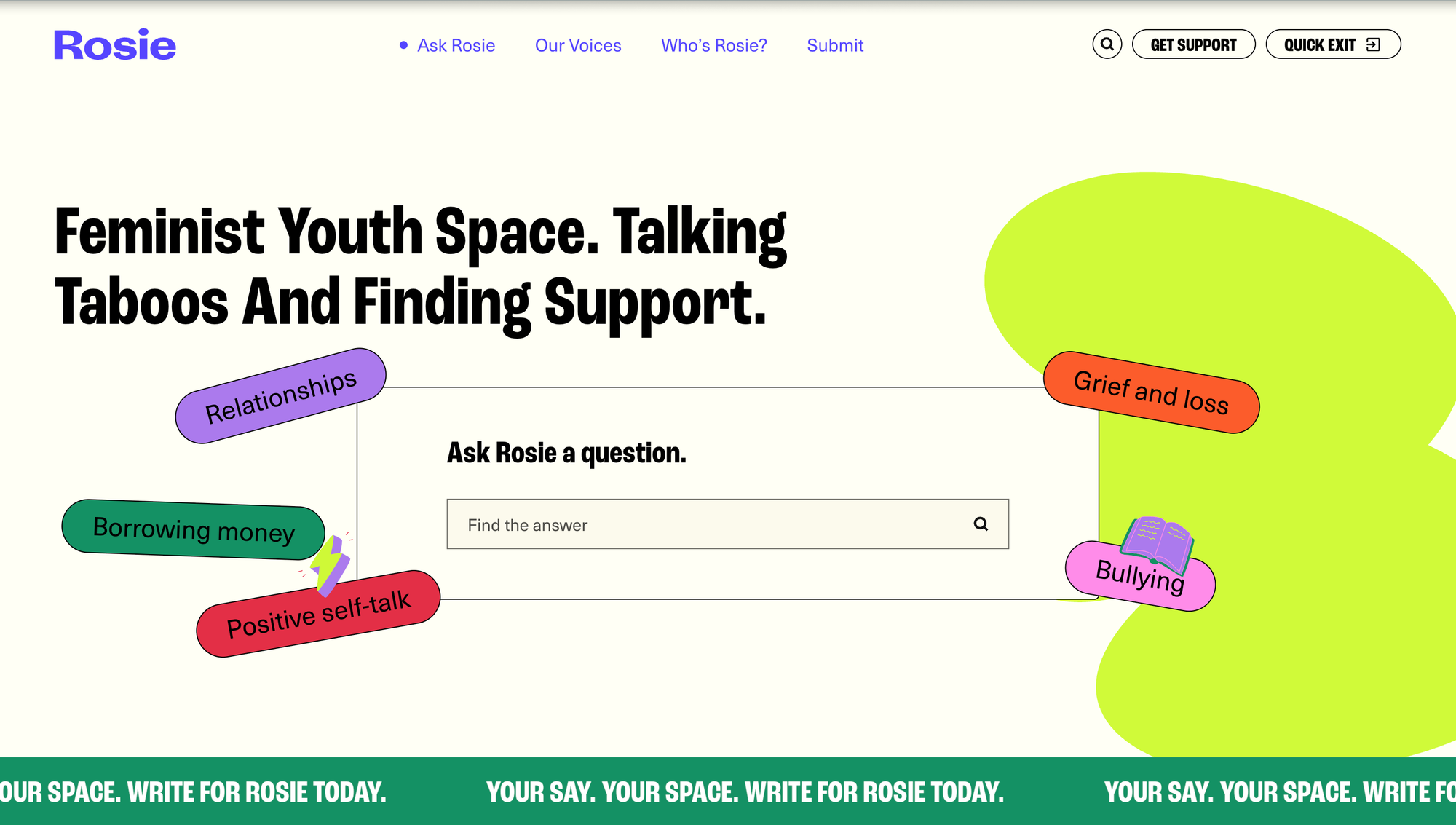
Feminist platforms such as Rosie.