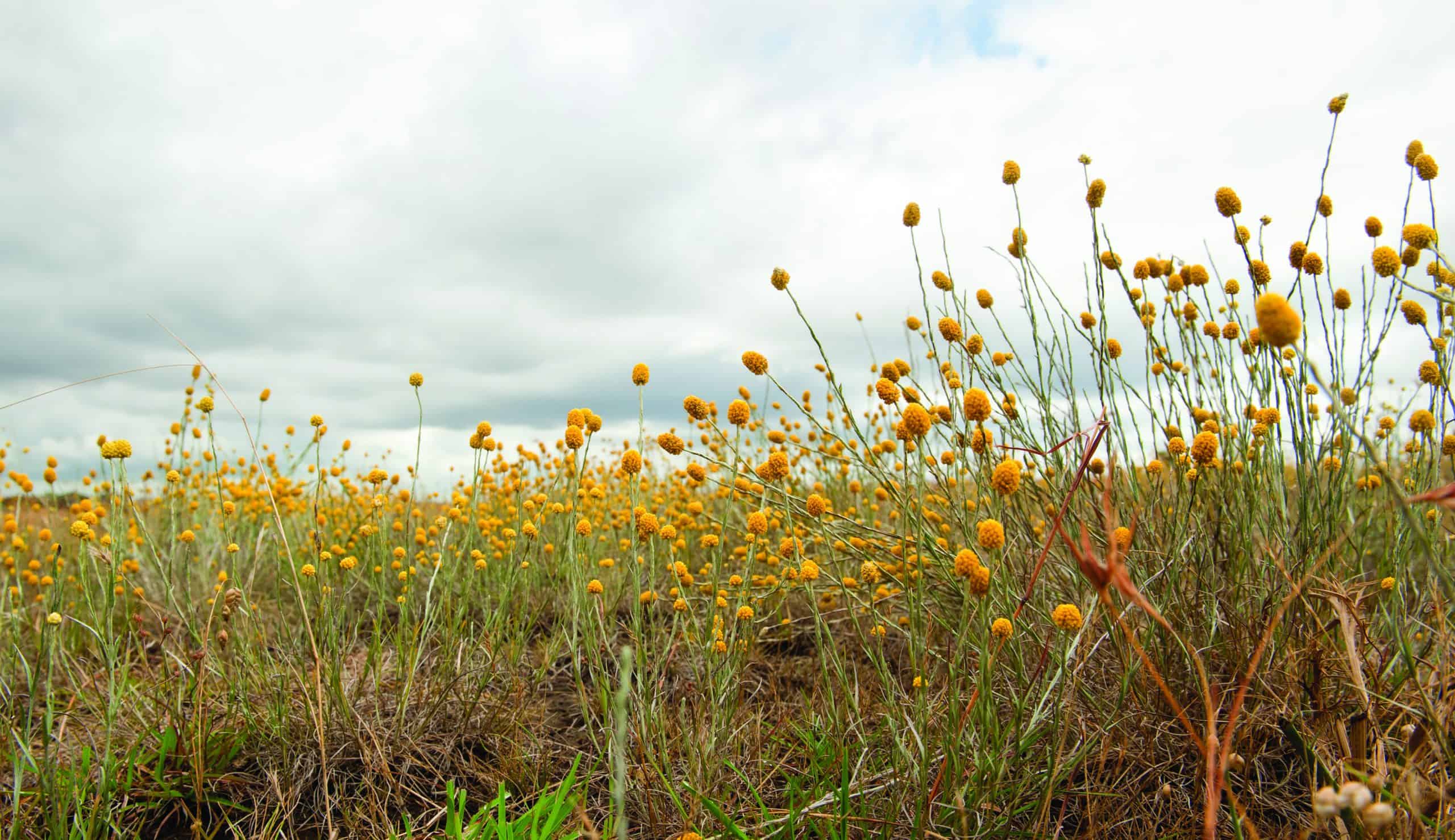
For over sixty thousand years, First Nations peoples have tended to and cultivated the lands on which we live. Their connection and knowledge of Country spans as vast as the plains and flows as deep as the oceans. In Naarm (Melbourne), the grasslands, wetlands and plants native, and indigenous to the area have provided food, shelter, and safe habitats for many species resulting in the city’s rich biodiversity.
However, this rich biodiversity might soon become a thing of the past. Since European settlement, Melbourne has experienced rapid urbanisation at the expense of drained wetlands, cleared grasslands with native and indigenous plants lost in the process.
Granted government bodies like the Department of Energy, Environment and Climate Action (DEECA) are working with the Victorian government to protect what little remains, maybe it is time for Melbournians to come together and learn the importance of caring for native and indigenous plants through conservation education and home gardening. Through this, Melbournians can see how a simple seed planted in curiosity can grow into a tree of passion.
Understanding Native and Indigenous Plants
An important distinction needs to be made when talking about indigenous and native plants. Native plants occur naturally in one or more parts of Australia, whereas indigenous plants are plants that occur naturally and are well suited to a local area. Planting native plants is great, however, planting indigenous plants in a local area is even better. According to La Trobe University, planting indigenous plants in a local area is beneficial as they are well suited and promote the biodiversity of the local area. Steph Chan, worker at La Trobe’s indigenous plant nursery, encourages individuals to plant indigenous plants in their gardens because “they have adapted to things like soil type, temperature and rainfall, so they require less maintenance to keep them alive”, she says.
Terry Lane, from The Organ Pipes National Park spoke about the importance of knowing the difference between the two. He explained that in the past, a lack of education resulted in people just planting whatever, wherever. Lane says that the Organ Pipes were “the first group in Australia to set out planting zones- not just any plants, but [plants] indigenous to the area” of Melbourne. Across Victoria, there are over one hundred nurseries that supply plants indigenous to local areas. Find a nursery near you.
Melbourne's Endangered Grasslands
The rapid urbanisation of Melbourne has seen native grasslands disappear, especially across the Victorian Volcanic Plain which spans from Melbourne to the South Australian border. These grasslands are home to many indigenous wildflowers and plants that are classified as endangered.
Botany student and founder of Invasive Replace, Griffin Clements, says that there are “a lot of endangered indigenous plants”, citing species like “The Button Winklewort, Matted Flax Lily, and Basalt Podolepis” as examples.
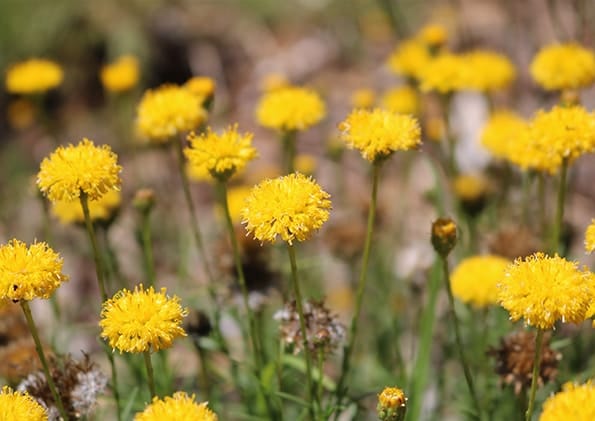
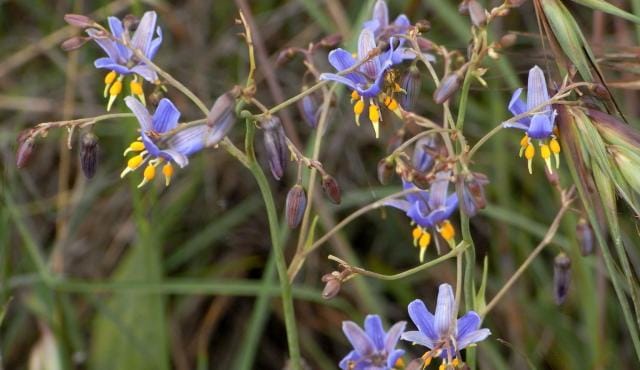
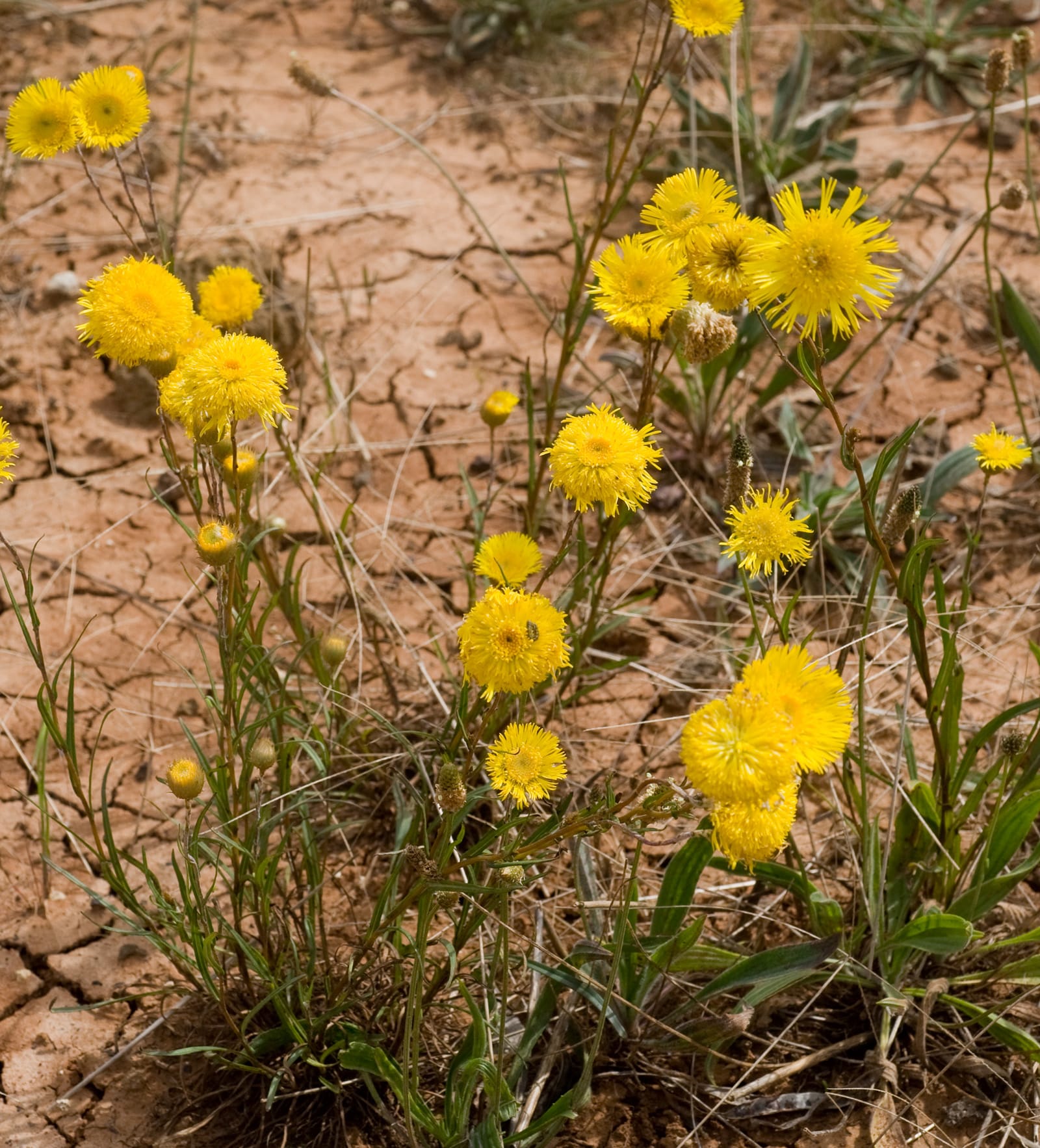
Endangered indigenous plants, The Button Winklewort, Matted Flax Lily, and Basalt Podolepis
2%
According to Grassy Plains Network, less than two per cent of original grasslands remain and the west side of Melbourne is feeling the pinch.
With major works like the airport rail link in planning, large areas of grasslands are set to be cleared.
The Solomon Heights in the Sunshine North area is at risk of losing nature and habitat due to urban development. The site has been left unmanaged and what was once a biodiversity hotspot has turned into a vandalised dumping ground.
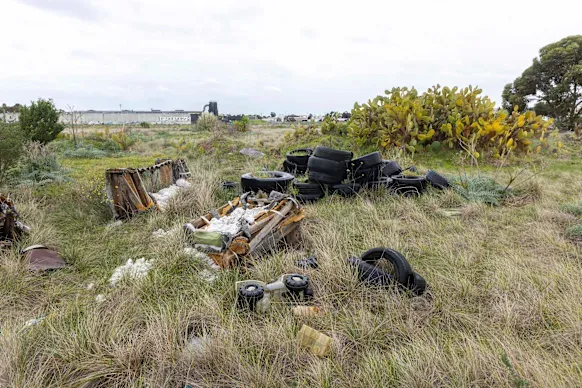
“The grasslands of western Melbourne is the most endangered ecosystem” in Australia, Lane says.
In the past, the Organ Pipes have worked on planting trees, however, seeing the rapid decline and degradation of grasslands, they have shifted their focus to concentrating on grasslands and wildflowers. It has proved to be difficult to garner people’s attention to care about the endangered grasslands. Lane says it is because grasslands are not “sexy enough”. “They are not appealing to people, and they have not got that draw card”, he says.
The Significance of Cultural Burns
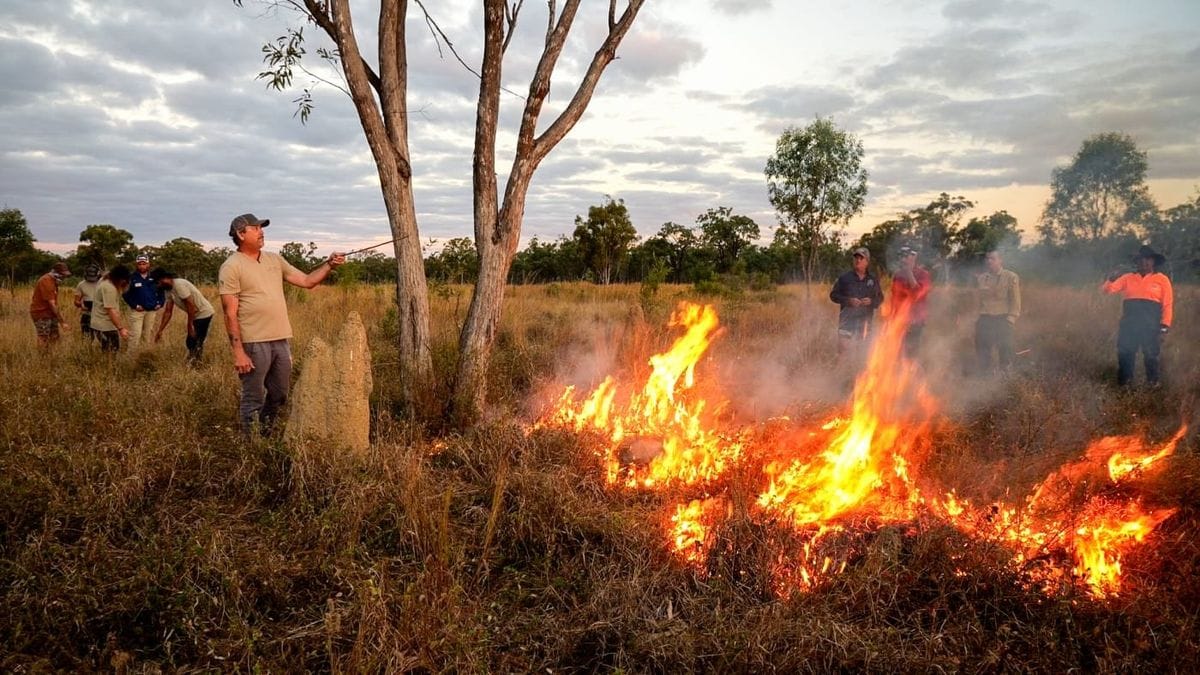
Another threat to these endangered grasslands is the lack of cultural burns. For thousands of years First Nations peoples have maintained a spiritual connection to Country by conducting burns that are low, controlled, encourage new growth, and help to reduce fire hazards.
Lane believes that the Organ Pipes National Park would greatly benefit from having cultural burns. He also believes that the government should consider having “a change of thought”, arguing that the fire management plans should be informed by the input and knowledge of First Nations peoples.
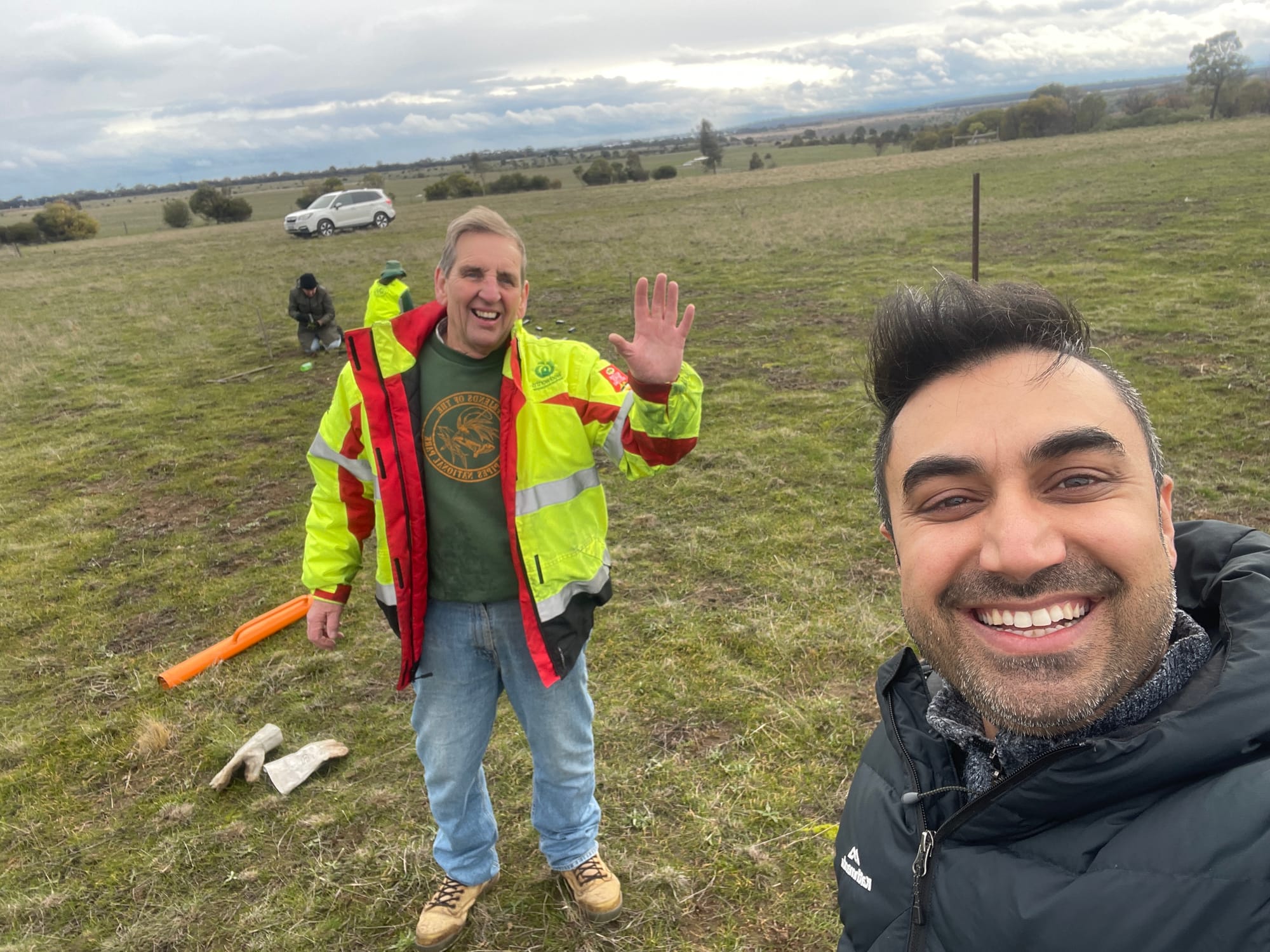
When asked if Melbourne or Australia in general would benefit from having the input of First Nations voices in environmental decision making, senior research fellow from the University of Melbourne, Dr Joe Greet, says “100 per cent”.
“It has probably been one of the biggest failings of this nation- our disrespect and not taking the time to kind of collaborate and work with the country’s Indigenous people. I am sure we probably would not have ended up with as many of the problems that we have in terms of ecosystem degradation and loss if we had done that”, Greet says.
Having conducted an award-winning research project led by First Nations peoples, Greet, a proud Koorie man, says he is “passionate about Indigenous peoples playing a role” in the management of the environment.
“It is important that they have a say in how their country is managed”, Greet says.
For individuals wanting to gain an understanding of native and indigenous plants and how they can play their part in continuing biodiversity, Greet encourages individuals to simply engage with First Nations communities.
“There are so many avenues [to learn about native plants] but just engaging with First Nations people and making yourself aware of the knowledge which they are so generously sharing” is the best place to start.
Native and indigenous plants have not only contributed to the environment, they have also contributed to filling the tummies of people, and have done so for thousands of years. First Nations people have lived off the natural ingredients of the land and today, many home chefs and gardeners are discovering how these ingredients can be used in food- the easiest way of bringing people together.
Meet Leisa Stanford: Home cook and gardener, specialising in Native flora
In the West Gippsland town of Trafalgar, Leisa Stanford’s garden looks a bit different to most. Instead of a manicured lawn, her front garden is alive with colourful native plants. Stanford has always been curious and keen on educating herself on First Nations practices and immersing herself in the culture.
This seed of curiosity was planted when she worked for a dumpling food van within a business called Outback Foods. In this role, Stanford made “Indigenous inspired biscuits, cakes, relishes and sauces”.
During Covid, when it was difficult to source certain ingredients, she had to get creative.
“During Covid, we were not able to get a lot of ingredients for things. I had to think outside the square in relation to what I could substitute products for, Stanford says, explaining how ingredients like cinnamon were “out of stock”.
Stanford was able to use the native ingredients of the land as a substitute.
“I started using anise myrtle for the aniseed flavours [and] cinnamon myrtle for the cinnamon version”.
This discovery prompted Stanford to visit the Willum Warrain Aboriginal Association in Hastings. She says they were able to educate her to “understand the food and what the food does and has done for generations”.
As the seed of curiosity began to grow, Stanford, feeling “inspired” decided to start her own business called ‘Saucey Queen’. In this business, Stanford cooked with various native ingredients including lemon myrtle, pepper berries, strawberry gum, quandong, finger lime, Davidson plum, and many more. The best part? The ingredients were home grown.
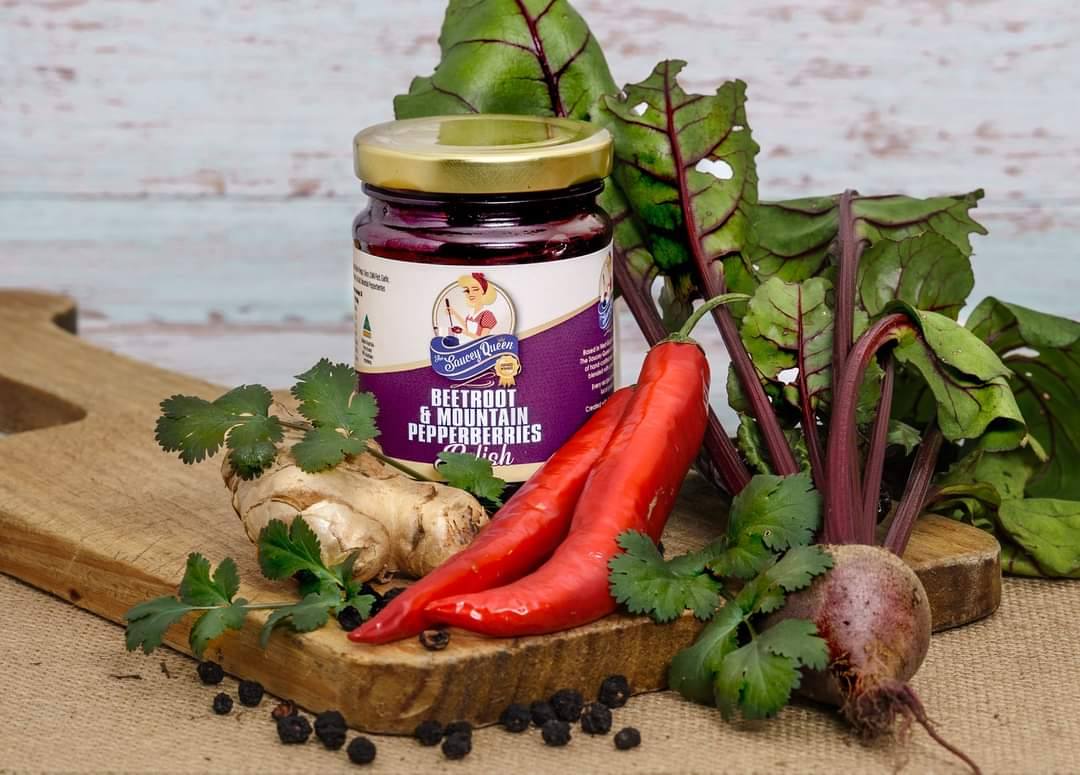
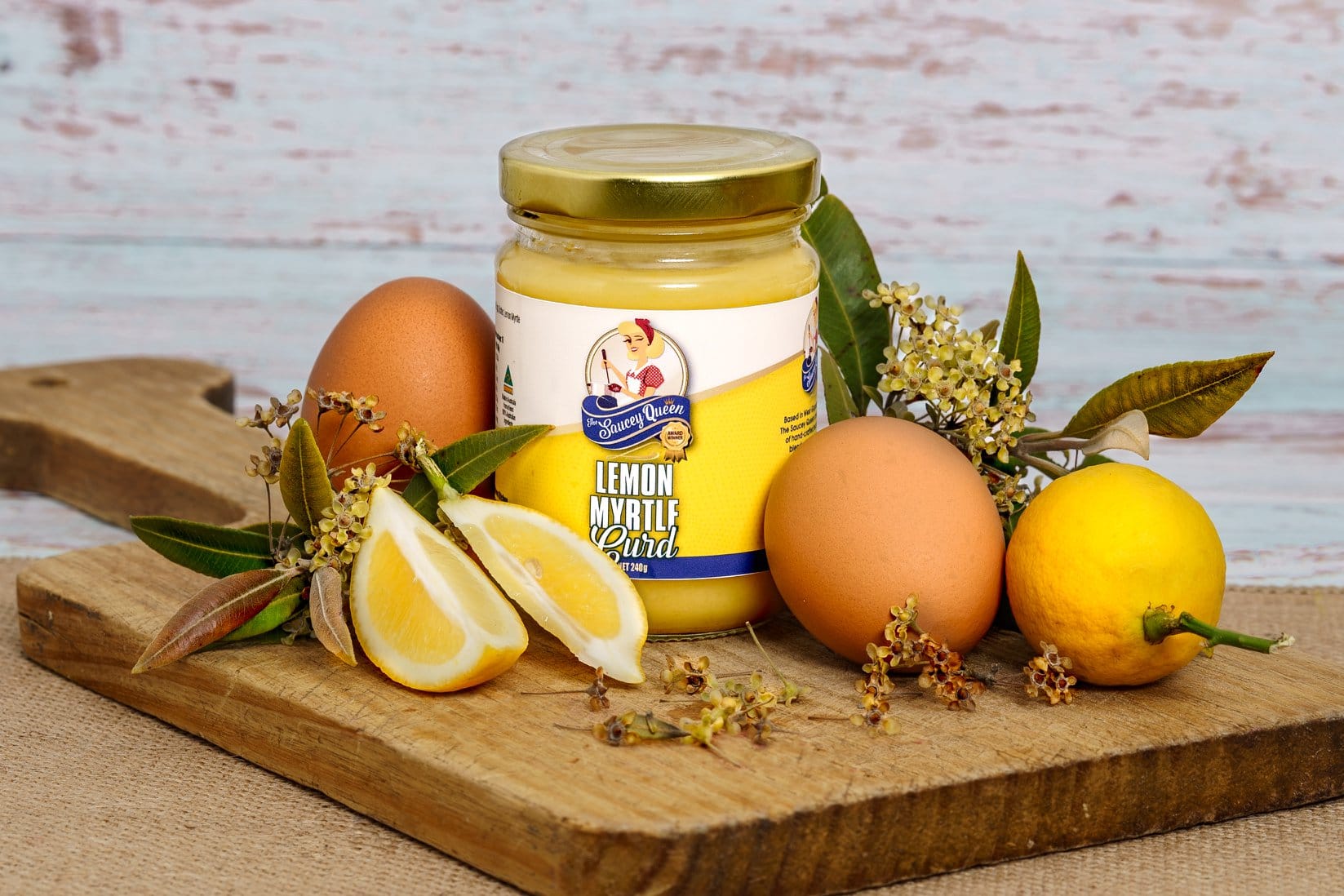
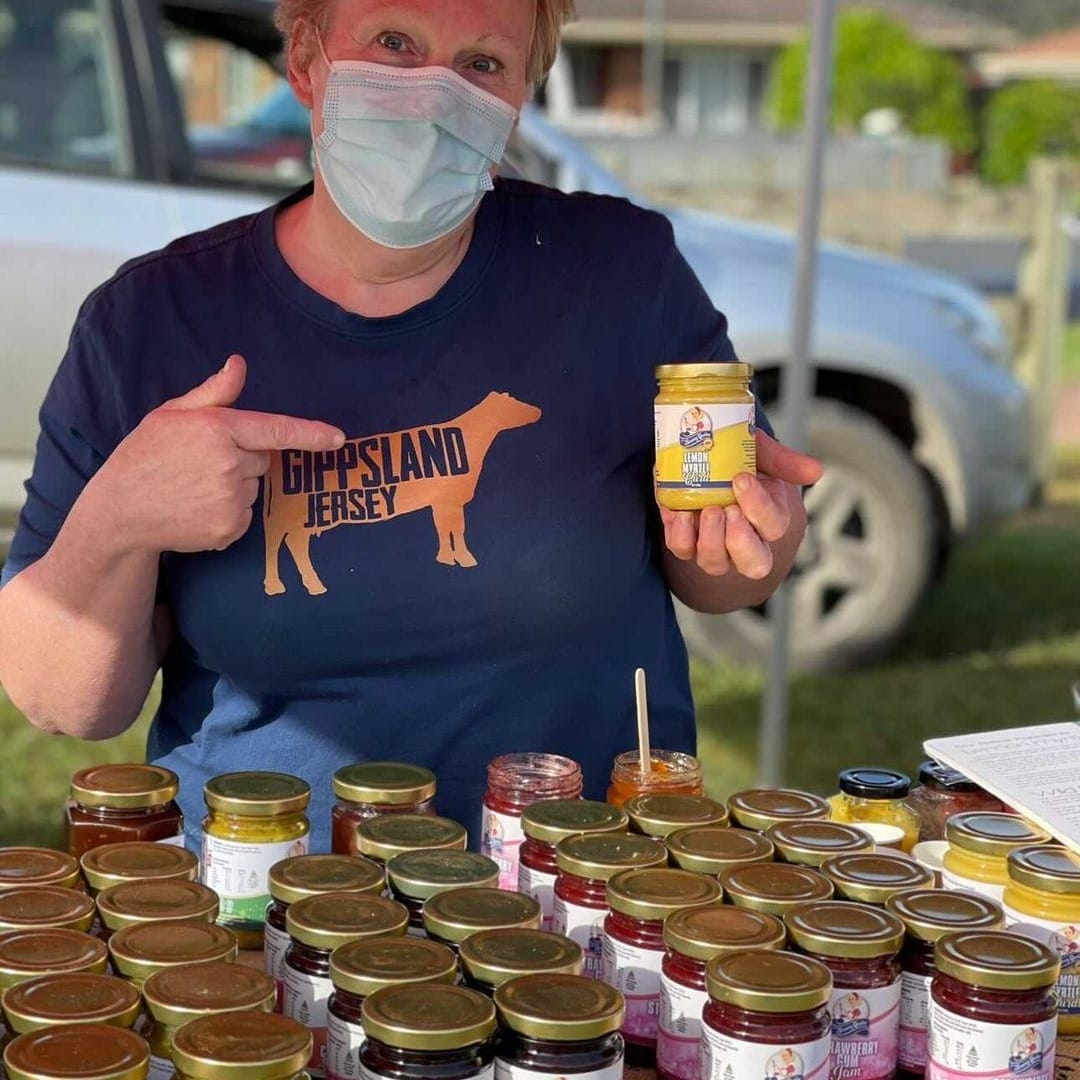
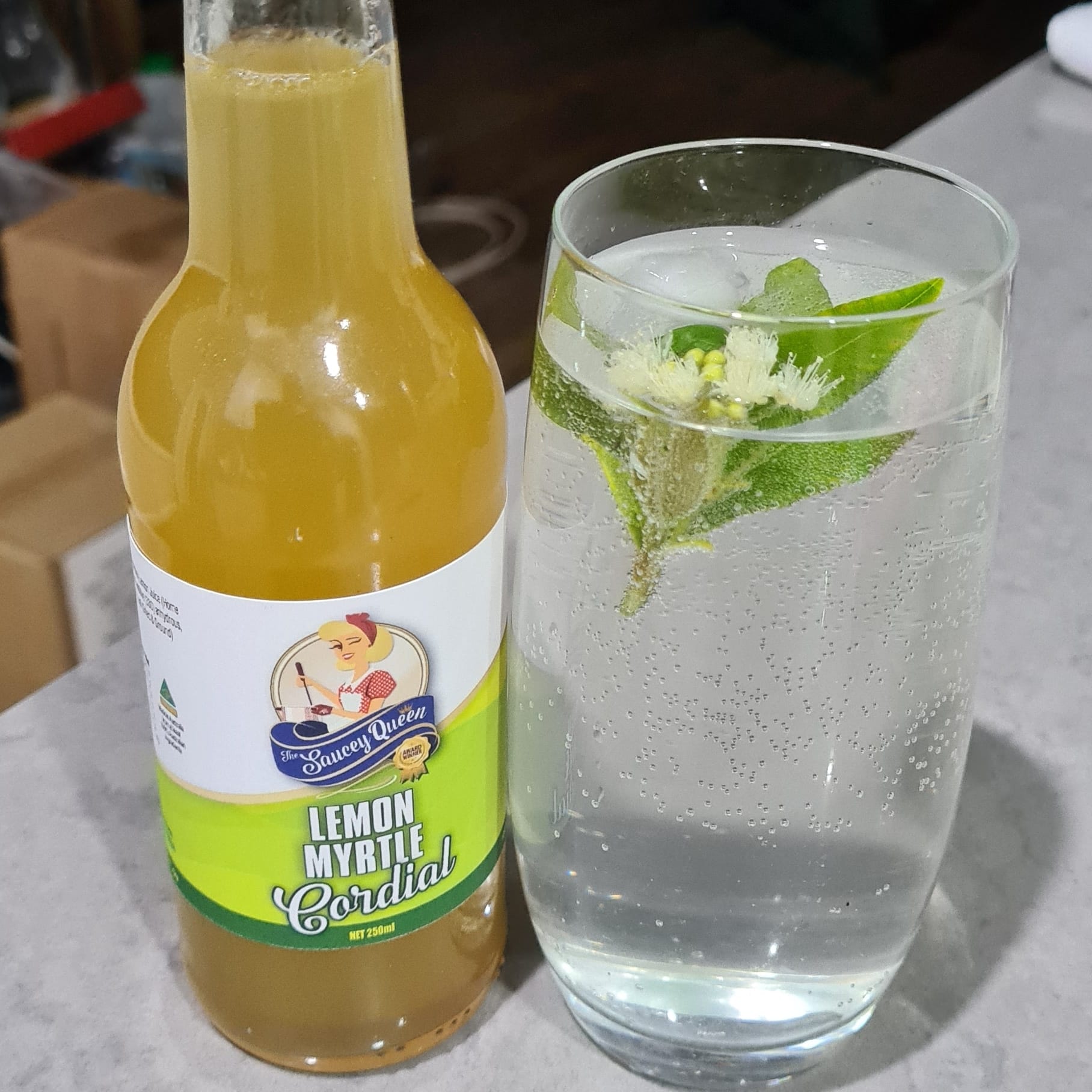
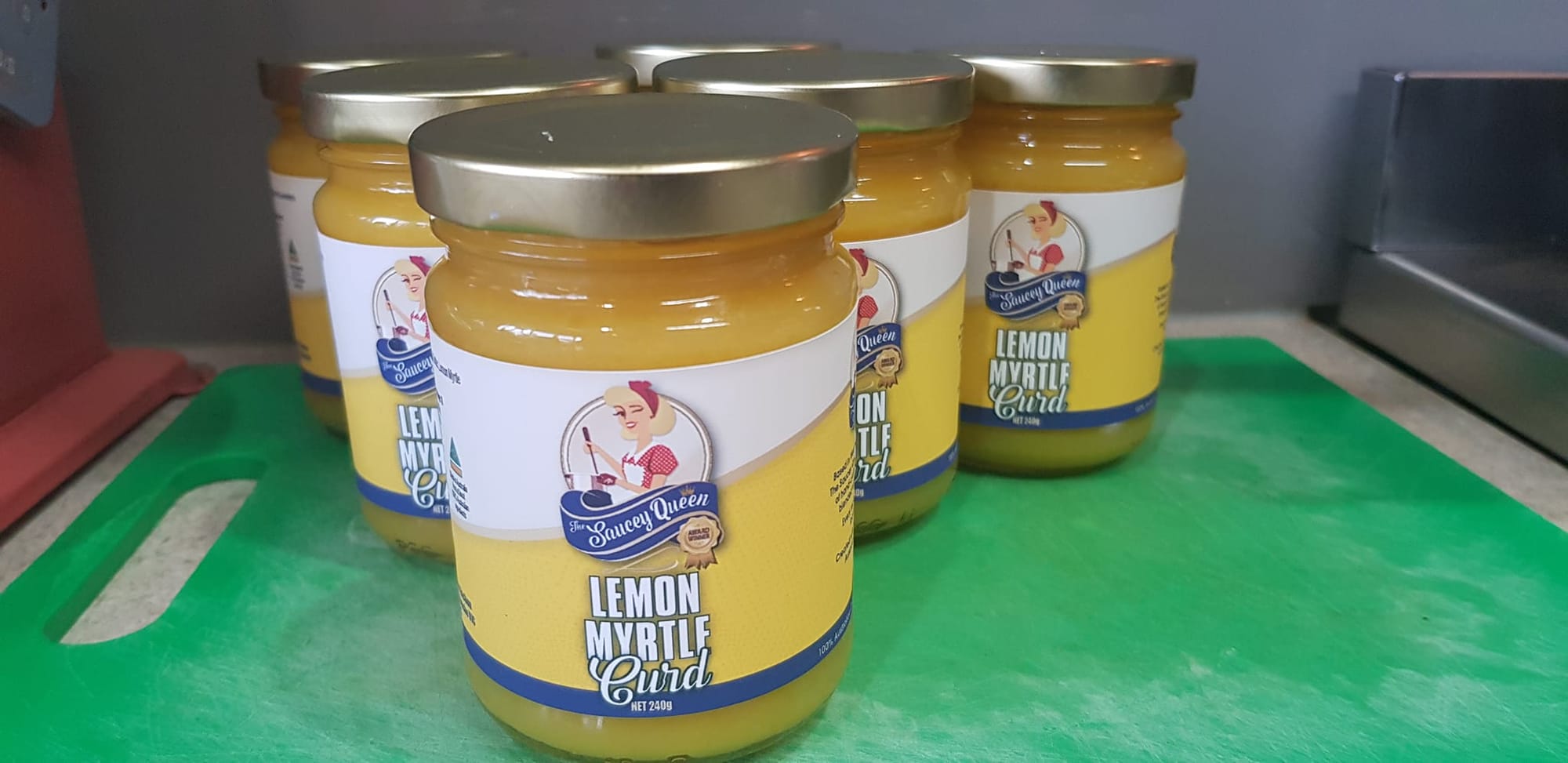
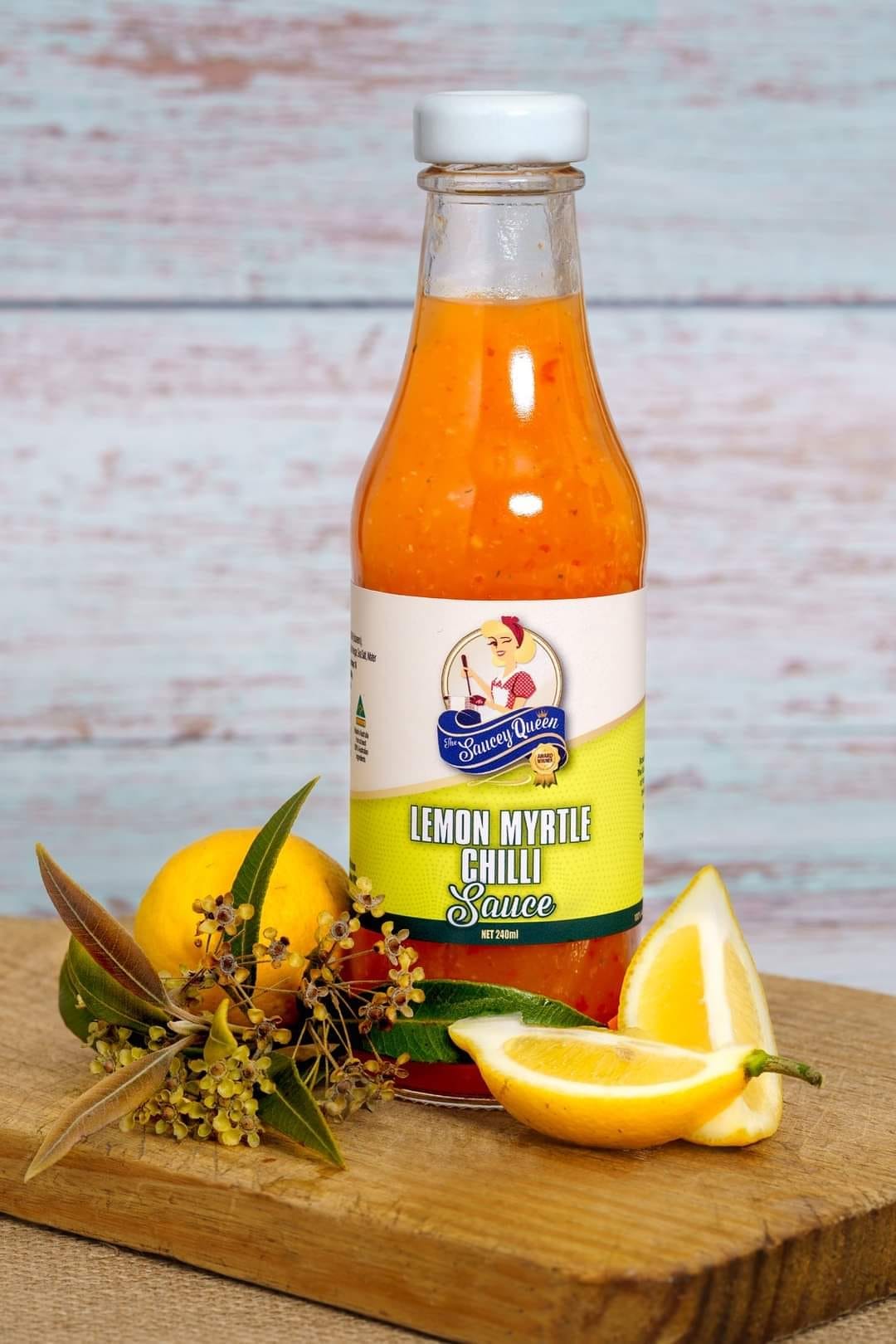
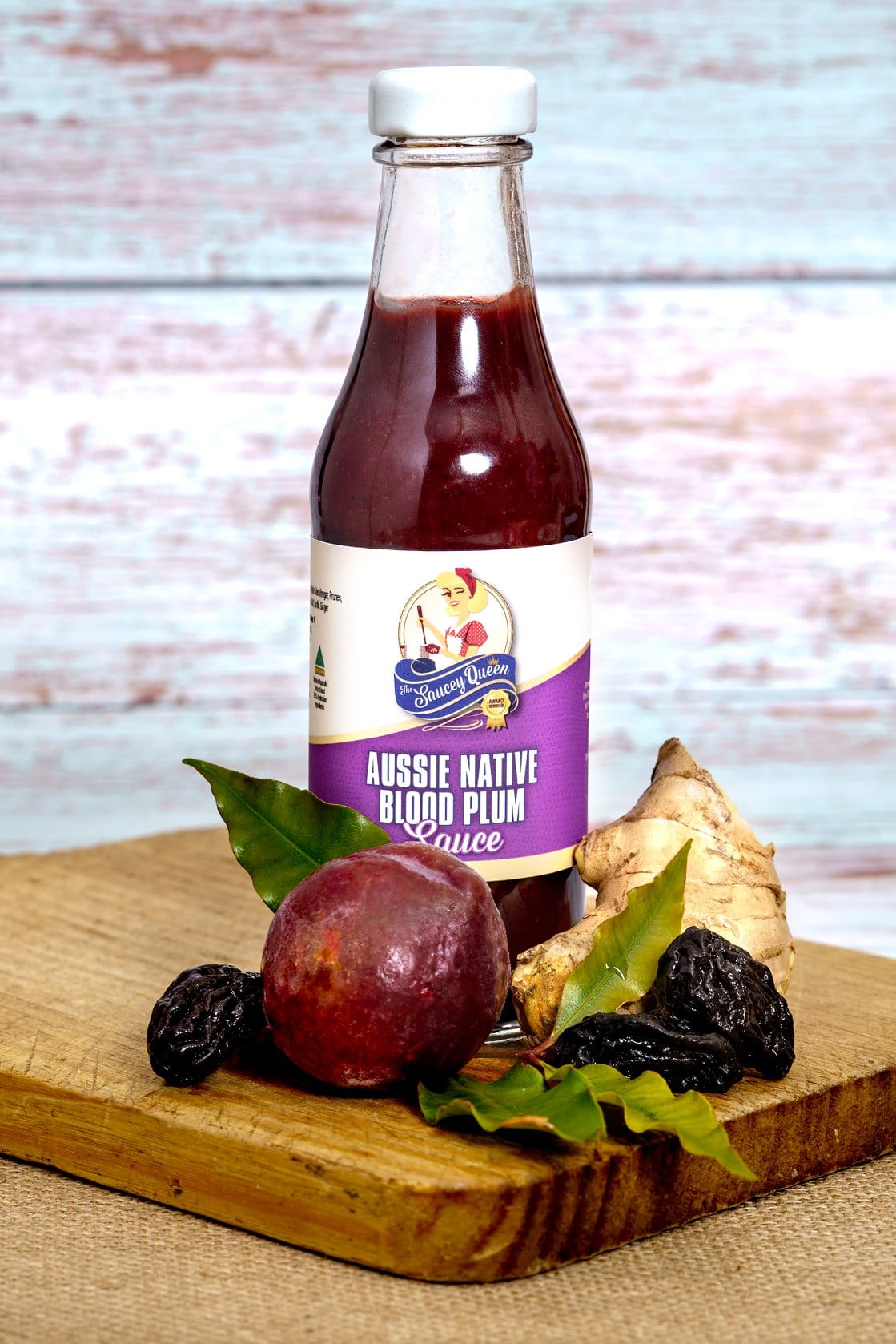
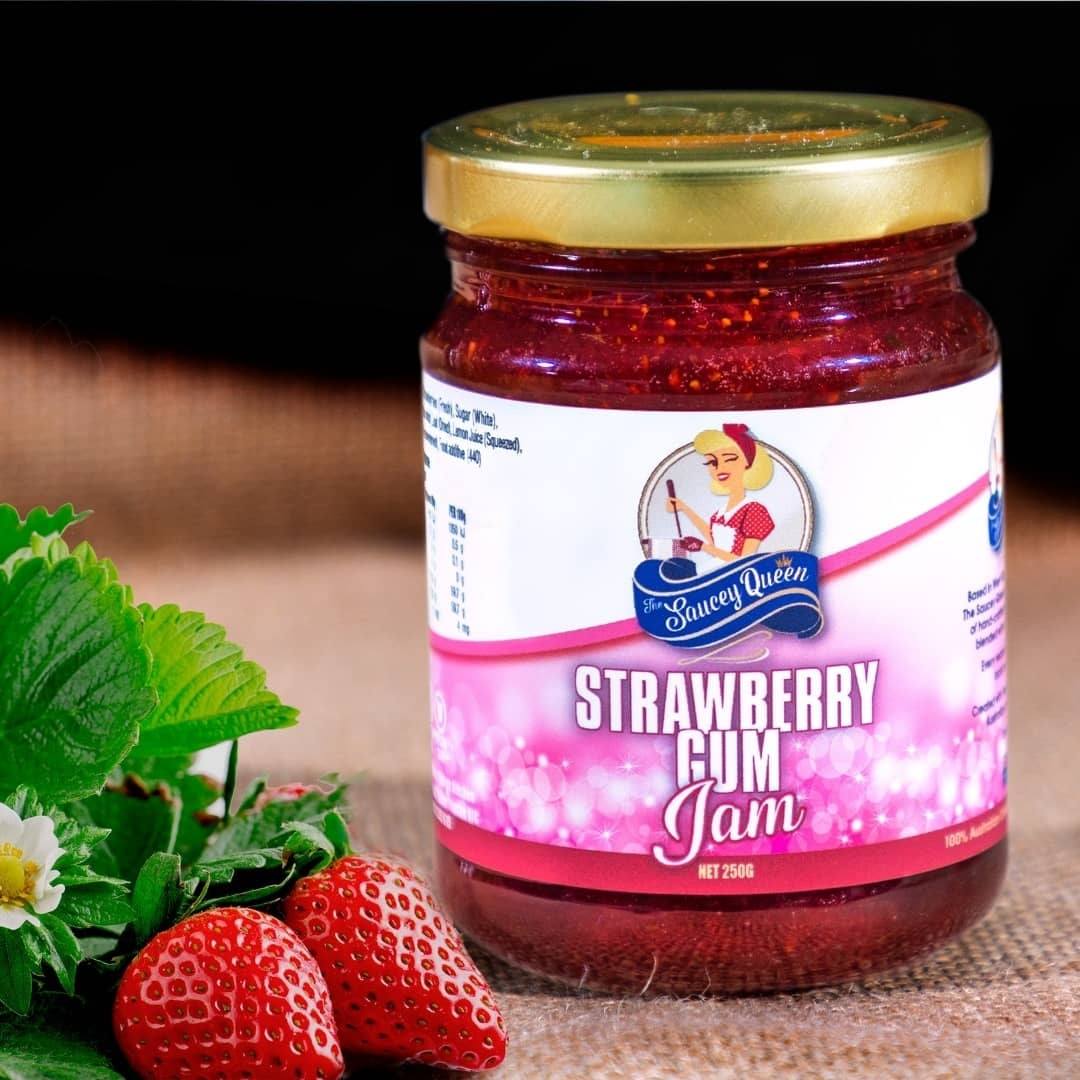
Sauces, jams and cordial made from Stanford's native garden
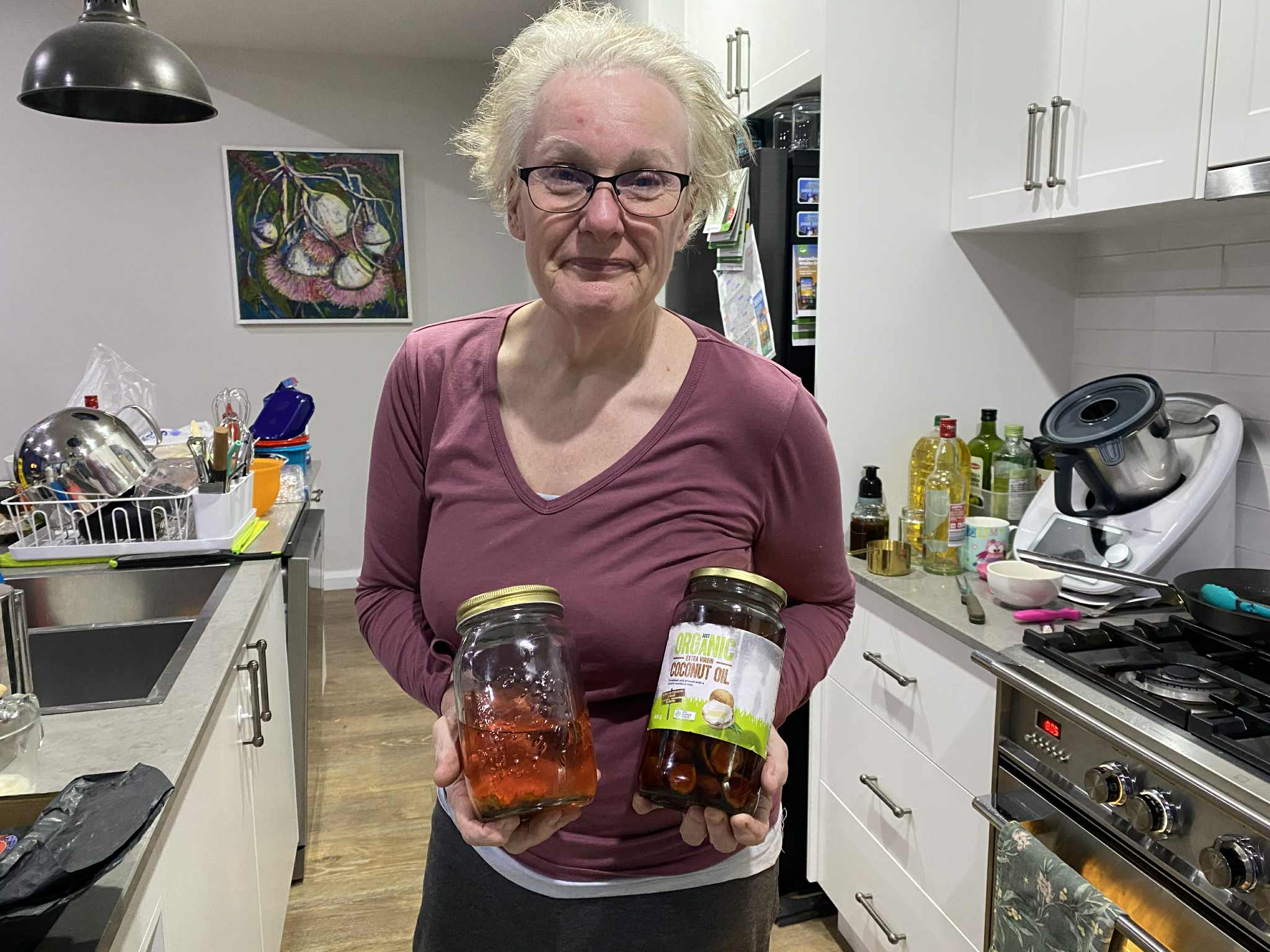
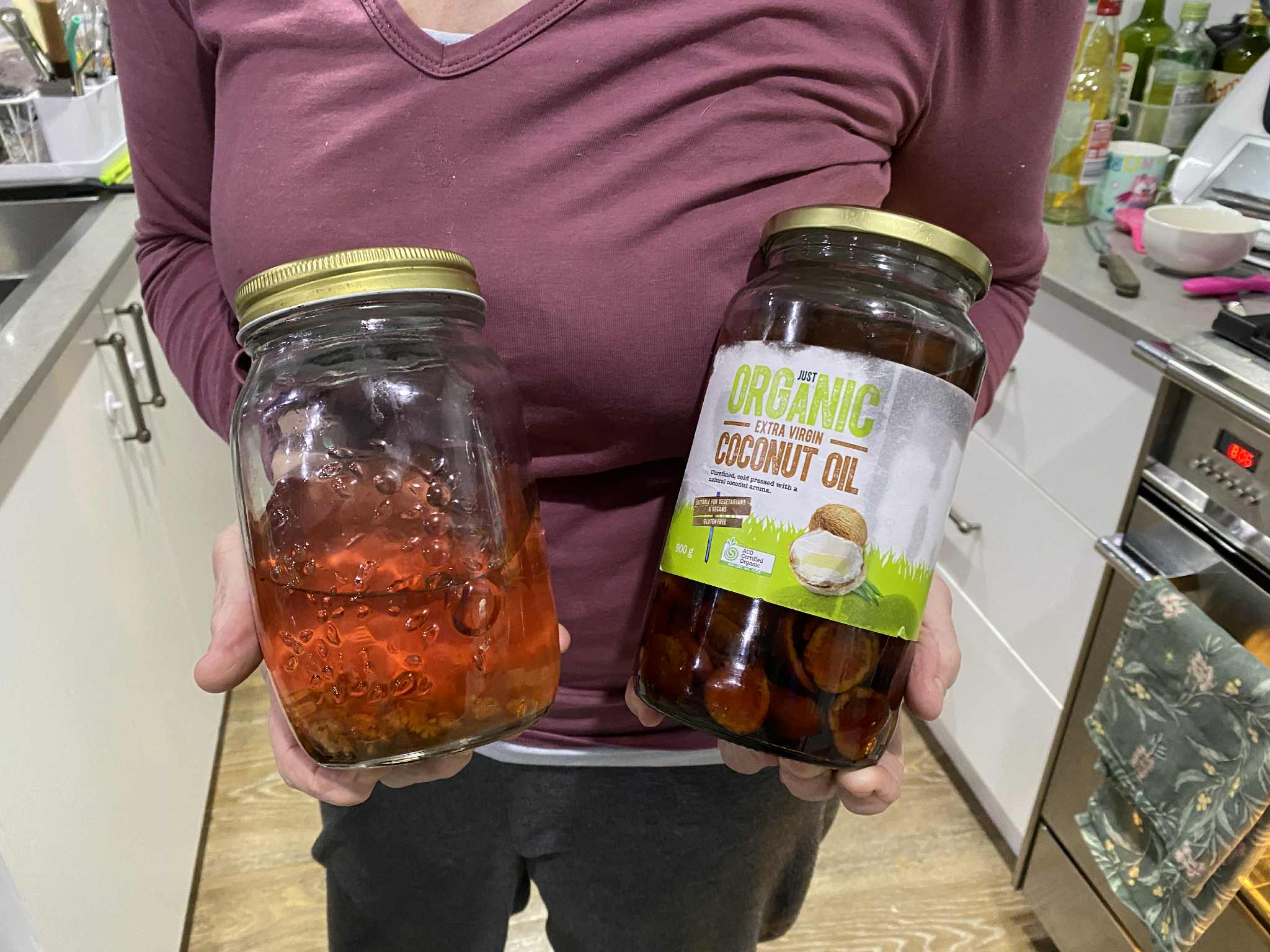
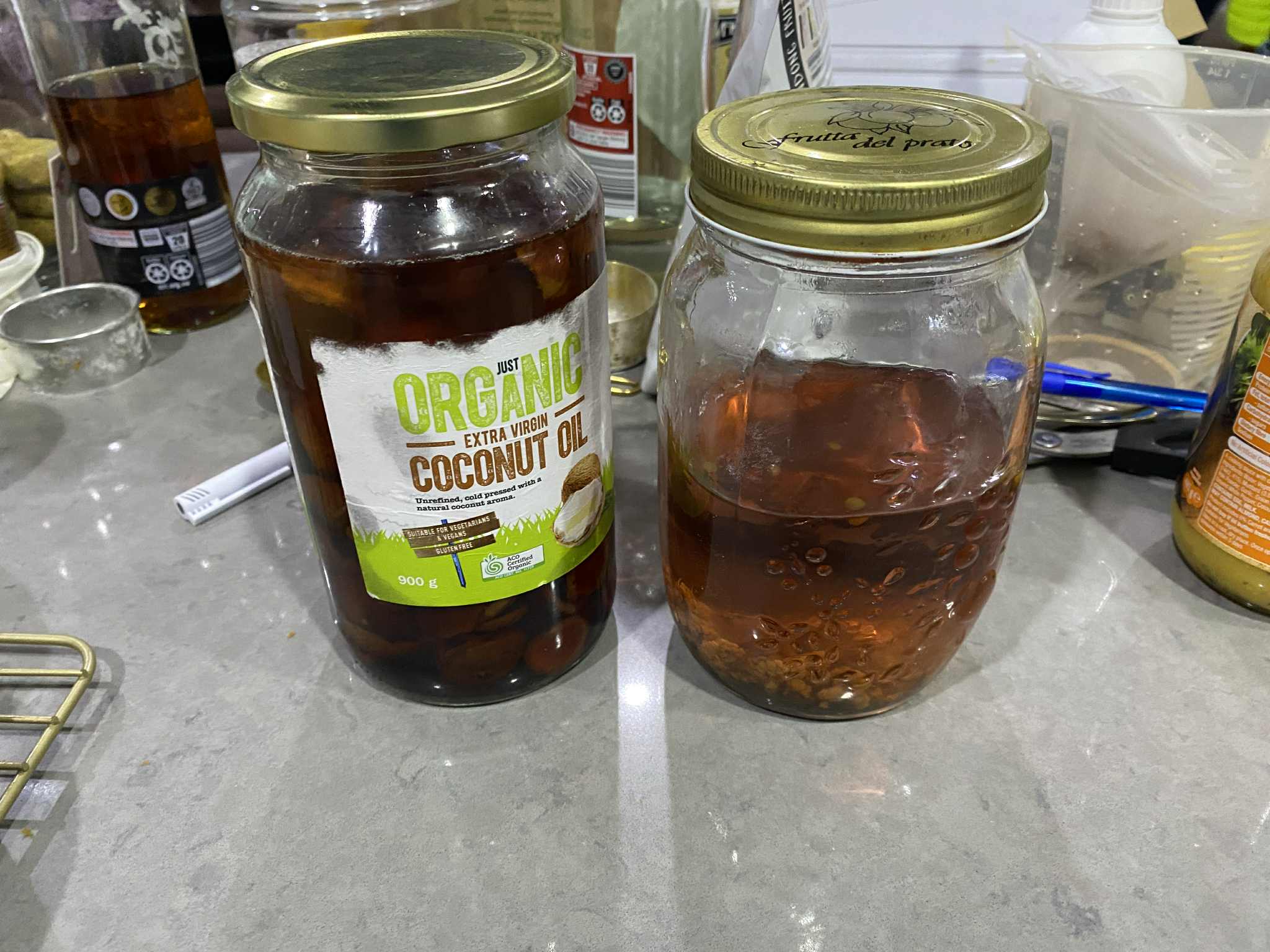
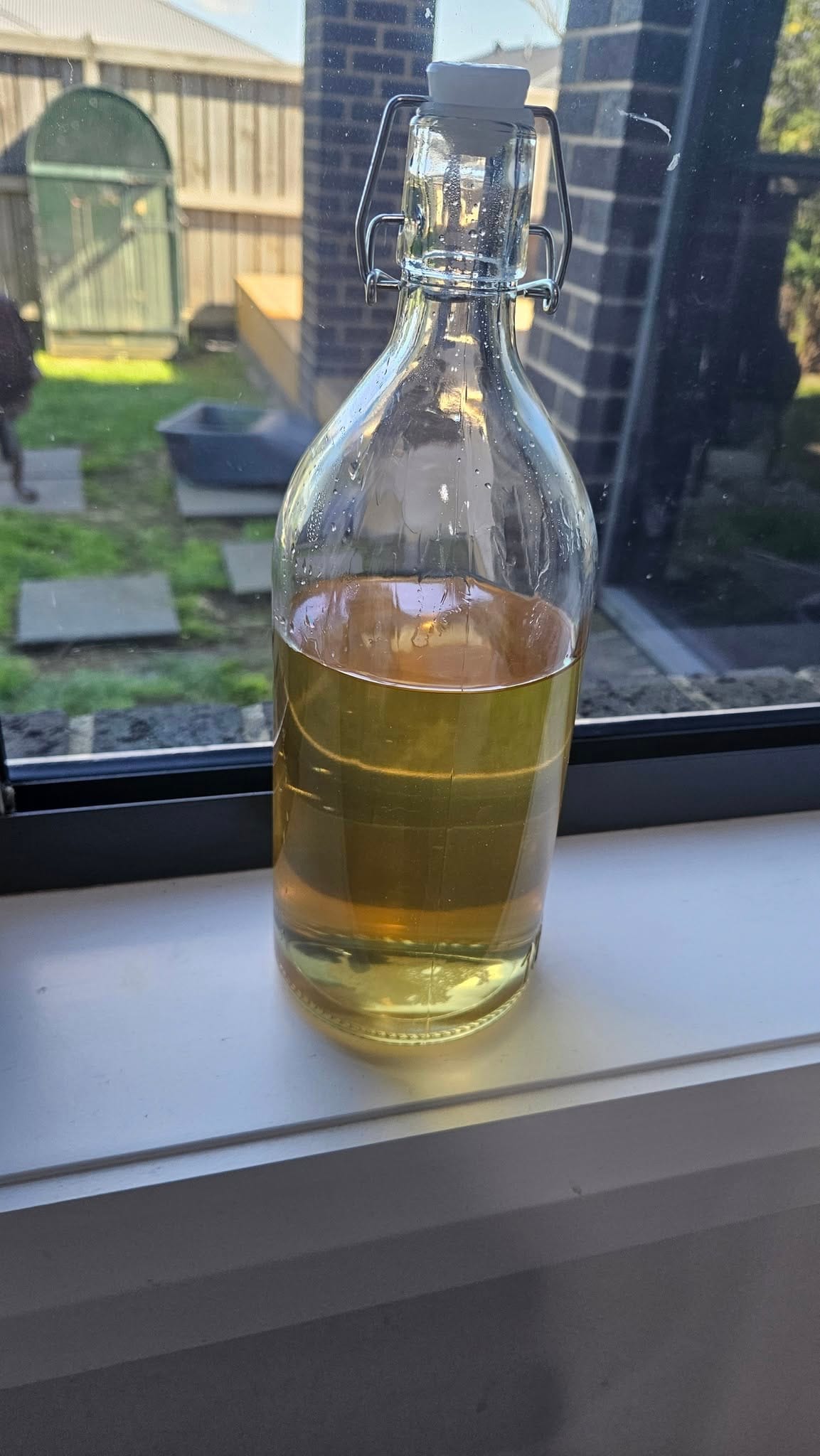
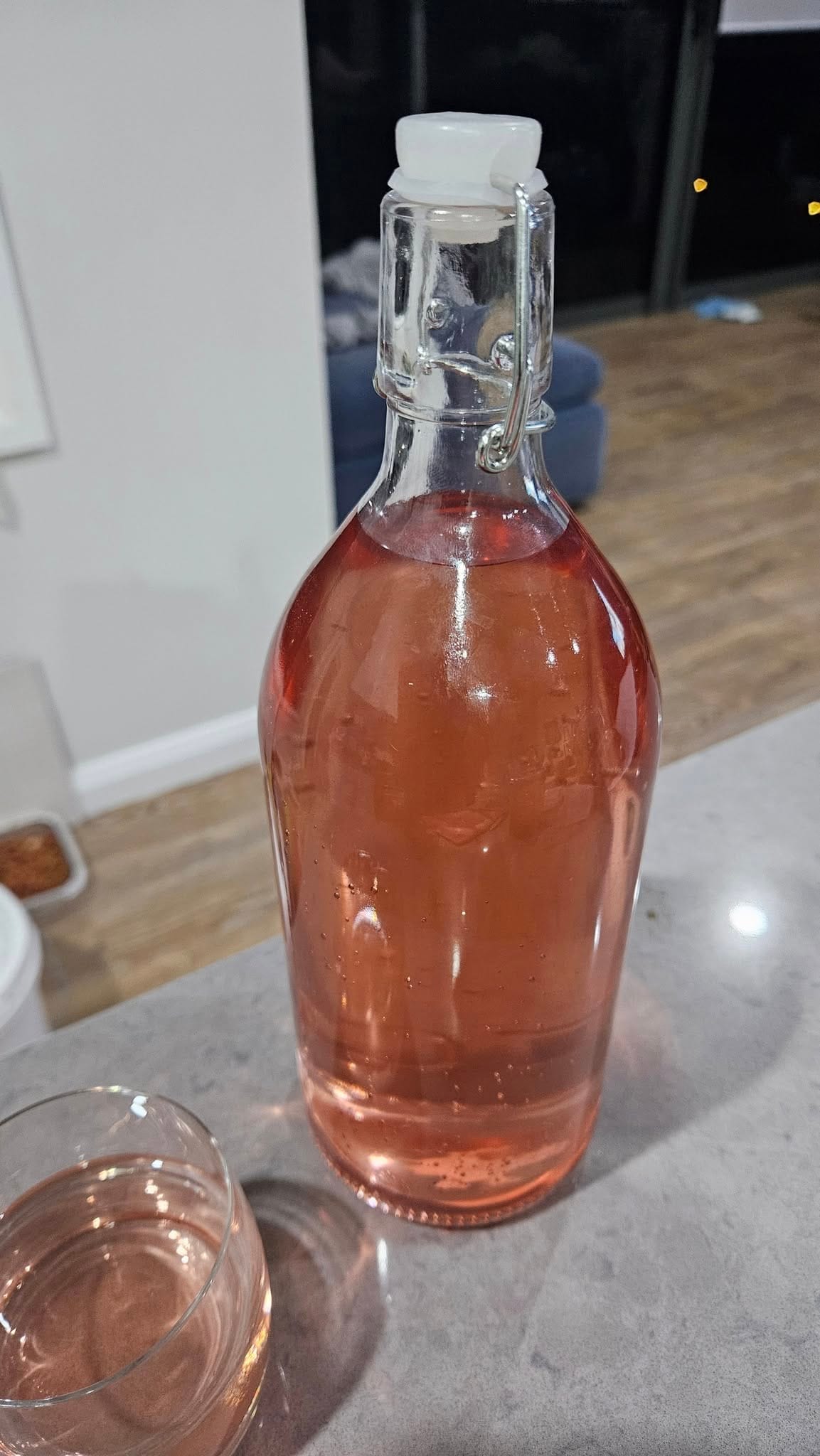
Stanford's newest venture of making liquors with native quandong, finger lime and wild raspberries.
Stanford started her garden in 2023, and in just 2 years it has transformed into a beautiful, edible ecosystem.
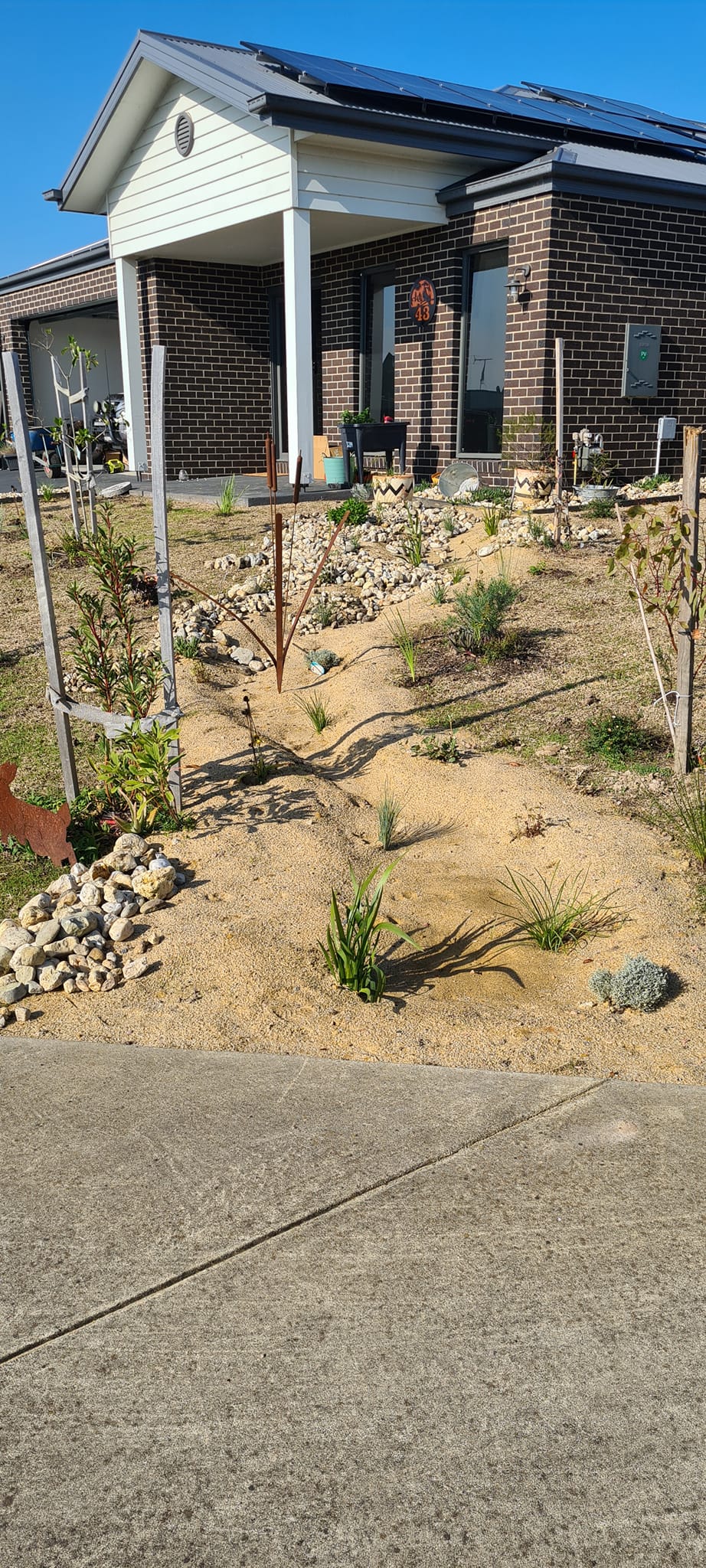
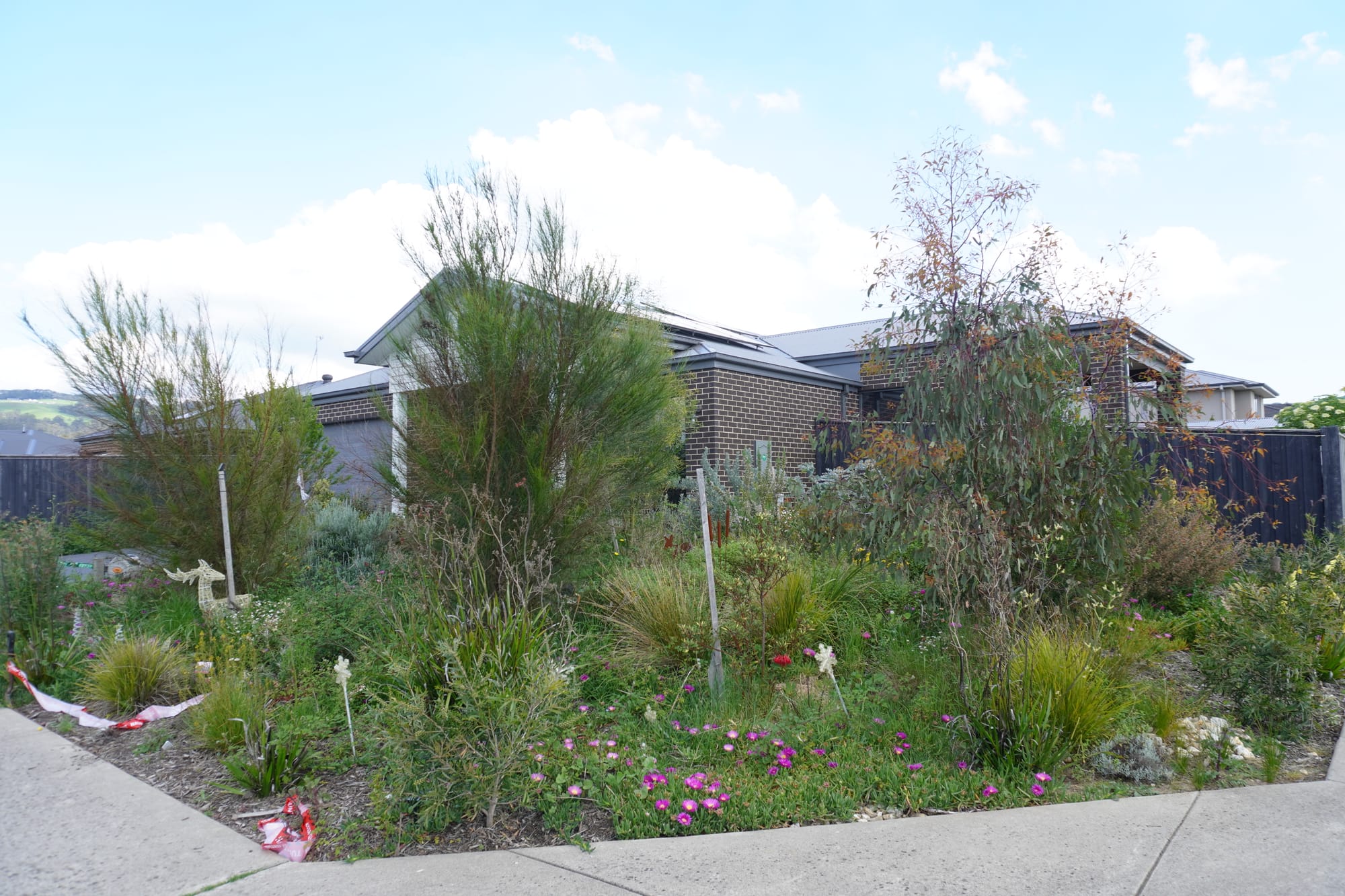
Shaw et al (2017) writes that residential private gardens are a ‘largely untapped resource’ that can be used to promote biodiversity and support exotic wildlife.
This is something that Stanford has noticed in her garden as well, explaining how exciting it is to see new wildlife visit her garden.
“I enjoy the wildlife that comes around. Local birds have realised that there are edible plants for them to eat”. Stanford says it is a “wonderful” feeling to have plants that “encourages bees and birds to come in and feed”.
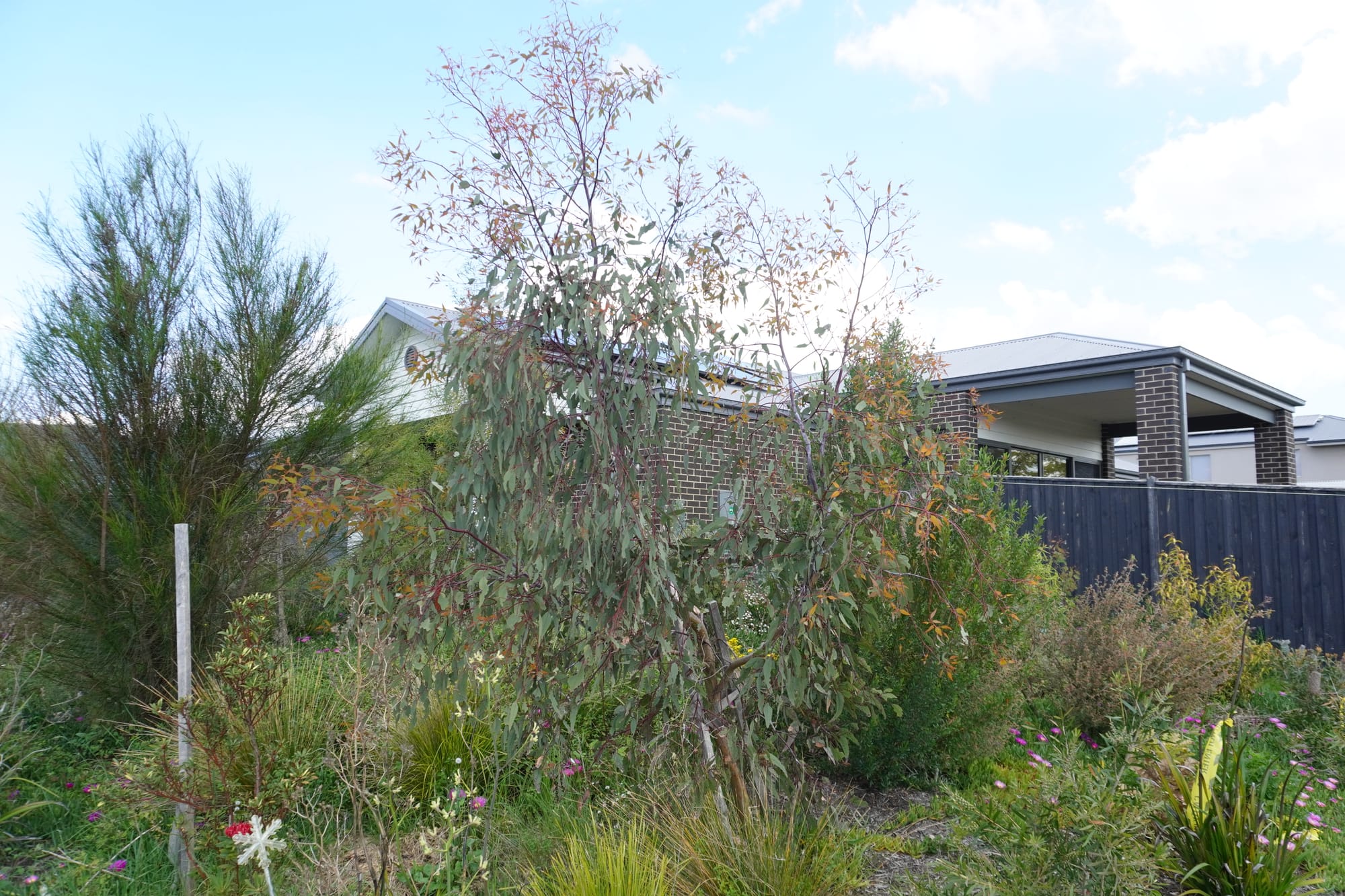
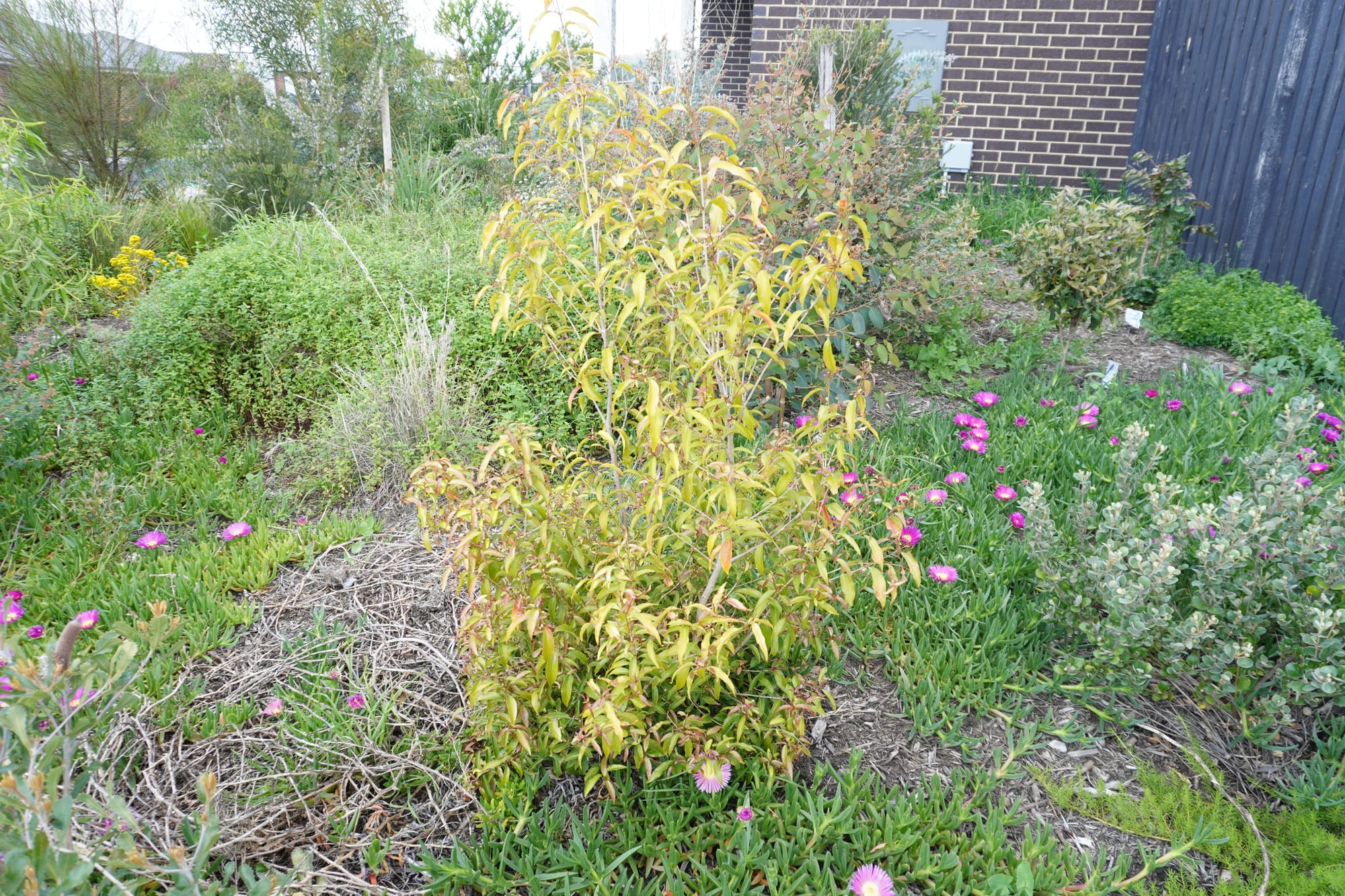
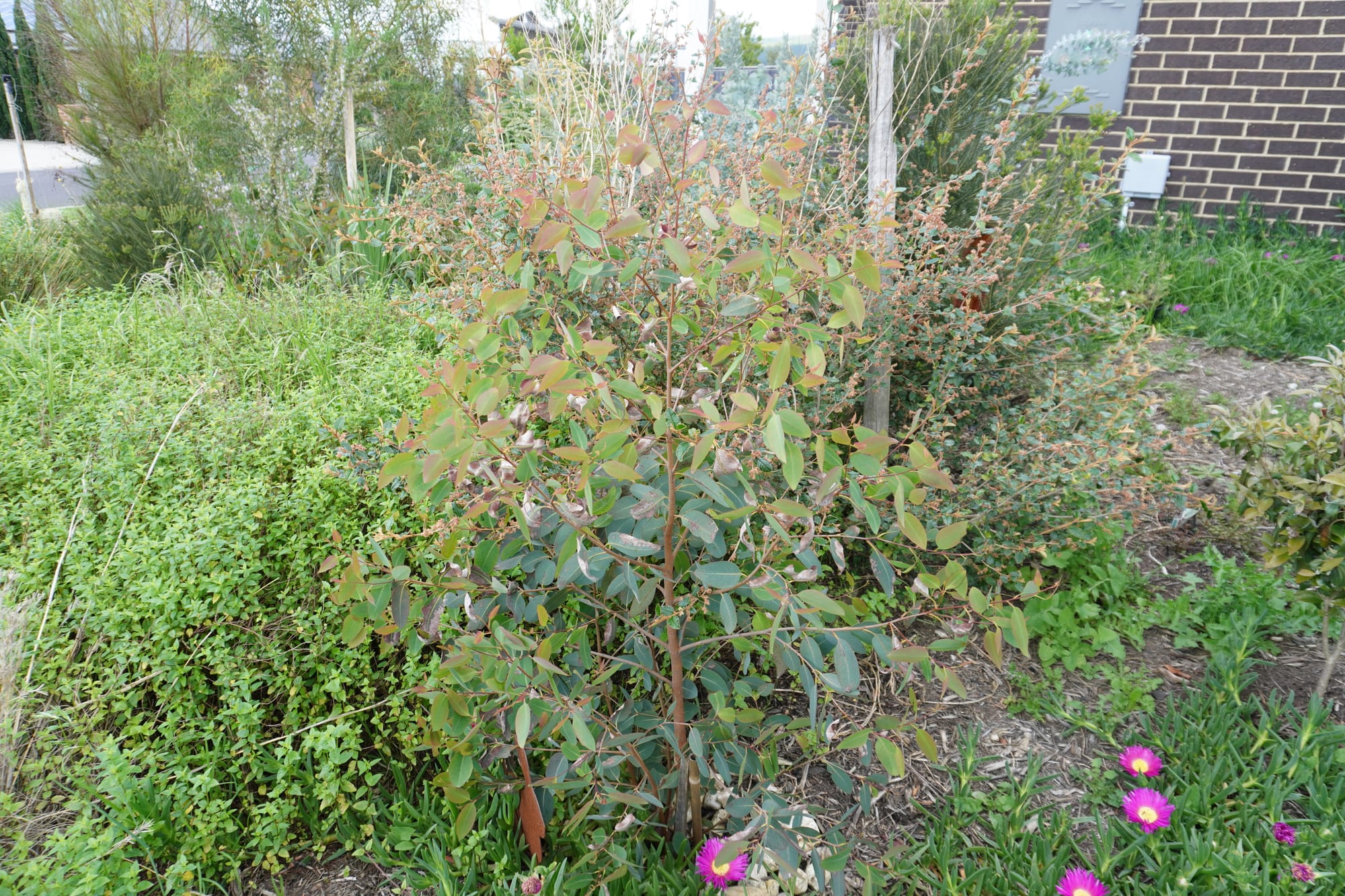
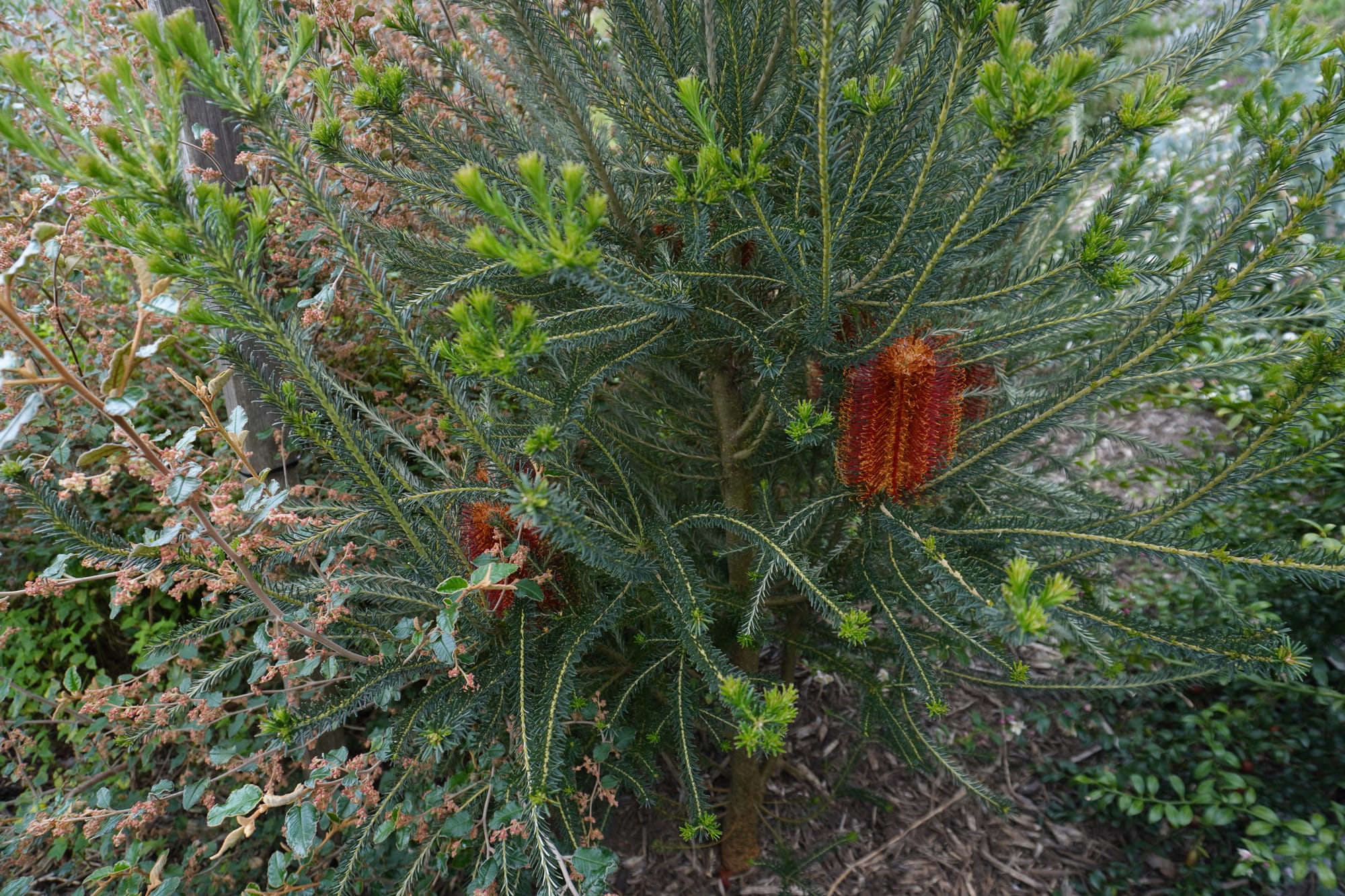
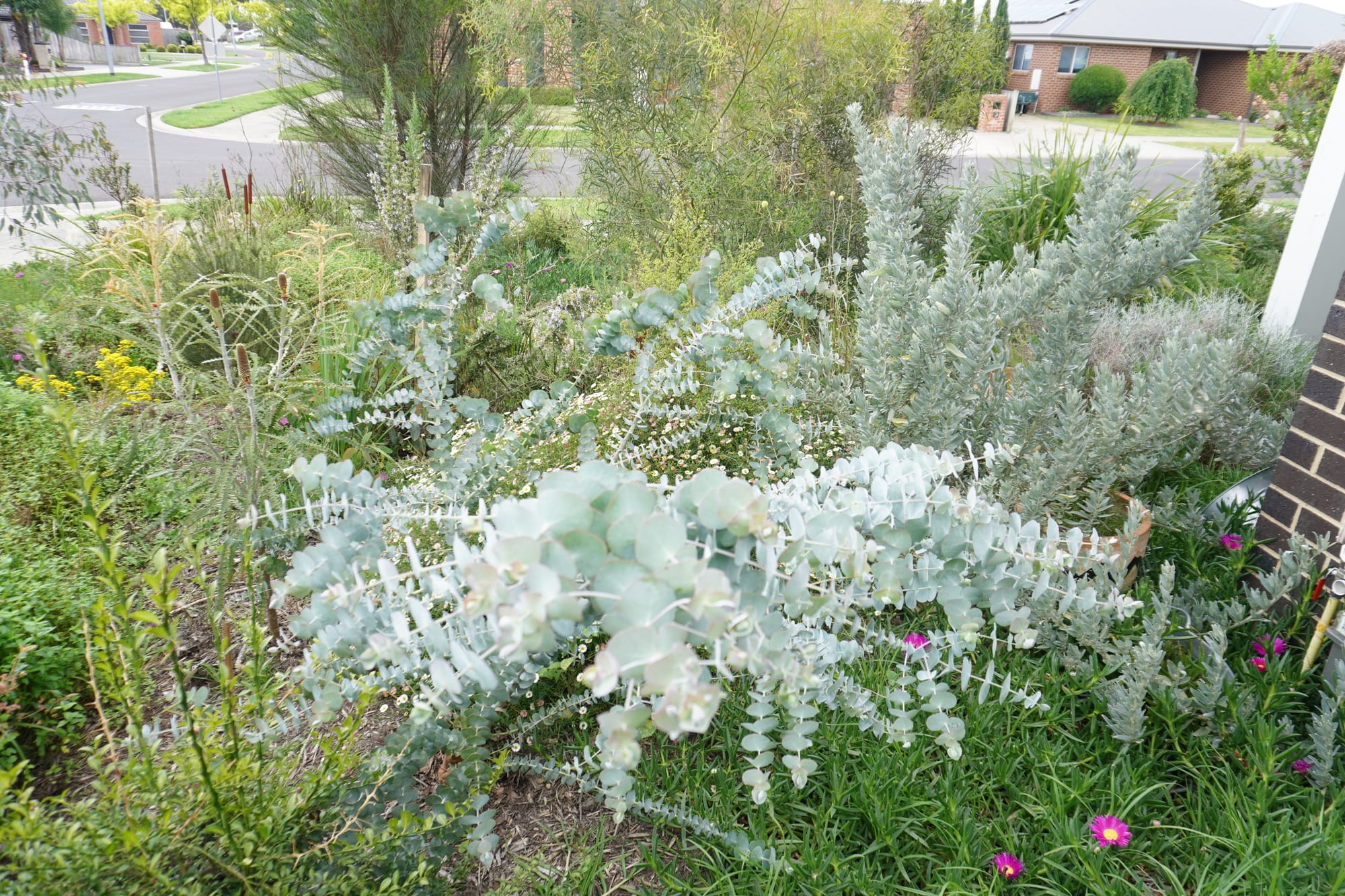
Native plants in Leisa's garden
Drinking wattleseed tea. Tastes just like coffee!
As Keith and Irene Smith write in their book ‘grow your own bushfoods’, once native plants are planted, they require ‘little care’ as they are a low maintenance garden.
Dr. Joe Greet supports this idea and says, native plants “grow better without additional resources” like fertilisers and constant watering. This makes them an easy garden to care for.
Stanford’s aim is to “encourage other people to understand” what native plants are capable of. “It makes me feel grounded and proud of what I have established so I can talk about it with people and educate people more about the wonderful resources that we can create from it”, she says.
For thousands of years, First Nations people have cultivated the land and shown us that when we care for the land, it cares for us in return. With rapid urbanisation, Melbourne risks losing the indigenous plants, native plants, and grasslands if action is not taken.
A statement like this may come across as overwhelming, but the good news is, the actions taken do not have to be big. Lots of small, mindful steps like going to your local council to see what plants are indigenous to your area, or educating yourself on the benefits of native plants can result in a big change.
These small steps help to see Naarm’s rich biodiversity continue and reminds Melbournians that from little things, like planting a seed, big things can truly grow.